Baby-led weaning · age-specific guide
Loganberry for 6–8 months
Loganberries may be introduced as soon as your baby is ready to start solid foods, which is generally around 6 months of age. These berries have a soft, juicy texture when ripe, making them manageable for new eaters. Always ensure loganberries are fully ripe and very soft before offering them to your baby.
How to serve at 6–8 months
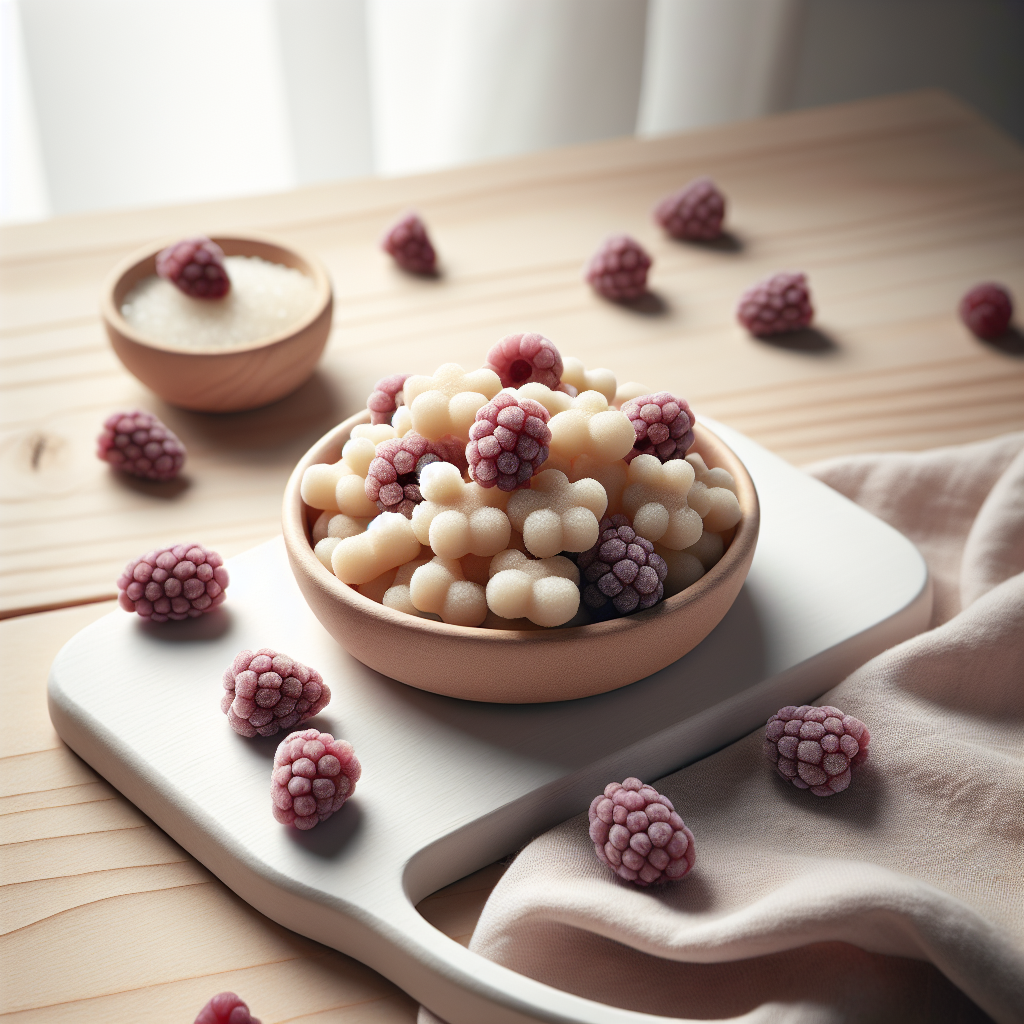
Serve ripe, very soft loganberries as large handles or wide wedges that your baby can grasp in their palm with some berry sticking out for them to munch on. You can gently flatten each berry lengthwise to create an oval shape that is easier to hold. If the skins feel tough or leathery, remove them before serving, though most ripe loganberries have tender, manageable skins.
Nutrition highlights
Loganberries are an excellent source of vitamin C, which supports immune function and helps the body absorb iron from other foods. They also provide dietary fibre to support healthy digestion and contain antioxidants that contribute to overall health. These berries offer smaller amounts of folate, vitamin K, and manganese, all of which support your baby's growth and development.
Lower-risk serving reminders
Loganberries have a low choking risk because they are soft and easily squashed between the gums when ripe. Their small drupelets break down readily in the mouth, though care should be taken to serve them in age-appropriate sizes.
Allergen introduction checklist
Loganberries are not a common allergen and belong to the same family as raspberries and blackberries. While berry allergies are uncommon, oral allergy syndrome can occasionally occur in individuals with pollen sensitivities, causing mild itching or tingling around the mouth.
Common questions
Do I need to remove the skin from loganberries?
Only remove the skin if it feels tough or leathery. Ripe loganberries typically have tender skins that babies can manage easily, and the skin contains valuable fibre and nutrients.
Can I serve frozen loganberries to my baby?
Thaw frozen loganberries completely before serving, and ensure they are soft and at room temperature. Frozen berries straight from the freezer pose a choking risk and can be too firm for young babies to manage safely.
How can I tell if loganberries are ripe enough for my baby?
Ripe loganberries should be deep purple-red in colour, soft to the touch, and easily squashed between your fingers. If the berries feel firm or have any hard areas, allow them to ripen further before offering them to your baby.
General feeding checklist
- Seat baby upright and stable for all meals.
- Model slow chewing and allow baby to control pace.
- Stop and reset if baby is upset, tired, or over-stuffed.
Readiness signs to check
- Baby can sit upright with minimal support during meals.
- Hands and mouth coordinate for bringing food to the mouth.
- Tongue-thrust reflex is reduced, so food is not immediately pushed out.
- Interest in self-feeding and opening mouth for food cues is visible.
Pause and seek advice if
- Coughing is persistent or distress does not settle quickly during meals.
- You notice repeated vomiting, rash, swelling, wheeze, or breathing changes after a food.
- Baby struggles with swallowing progression over multiple meals despite texture adjustments.
- There is a known medical condition affecting feeding, growth, or airway safety.
Other ages: 9–11 months · 12–24 months