Baby-led weaning · age-specific guide
Liver chicken for 12–24 months
Chicken liver can be introduced as soon as your baby is ready to start solids, which is generally around 6 months of age. It is a nutrient-dense organ meat that offers exceptional nutritional value for growing babies. Always ensure chicken liver is cooked thoroughly until no pink remains and the texture is tender enough for your baby to manage safely.
How to serve at 12–24 months
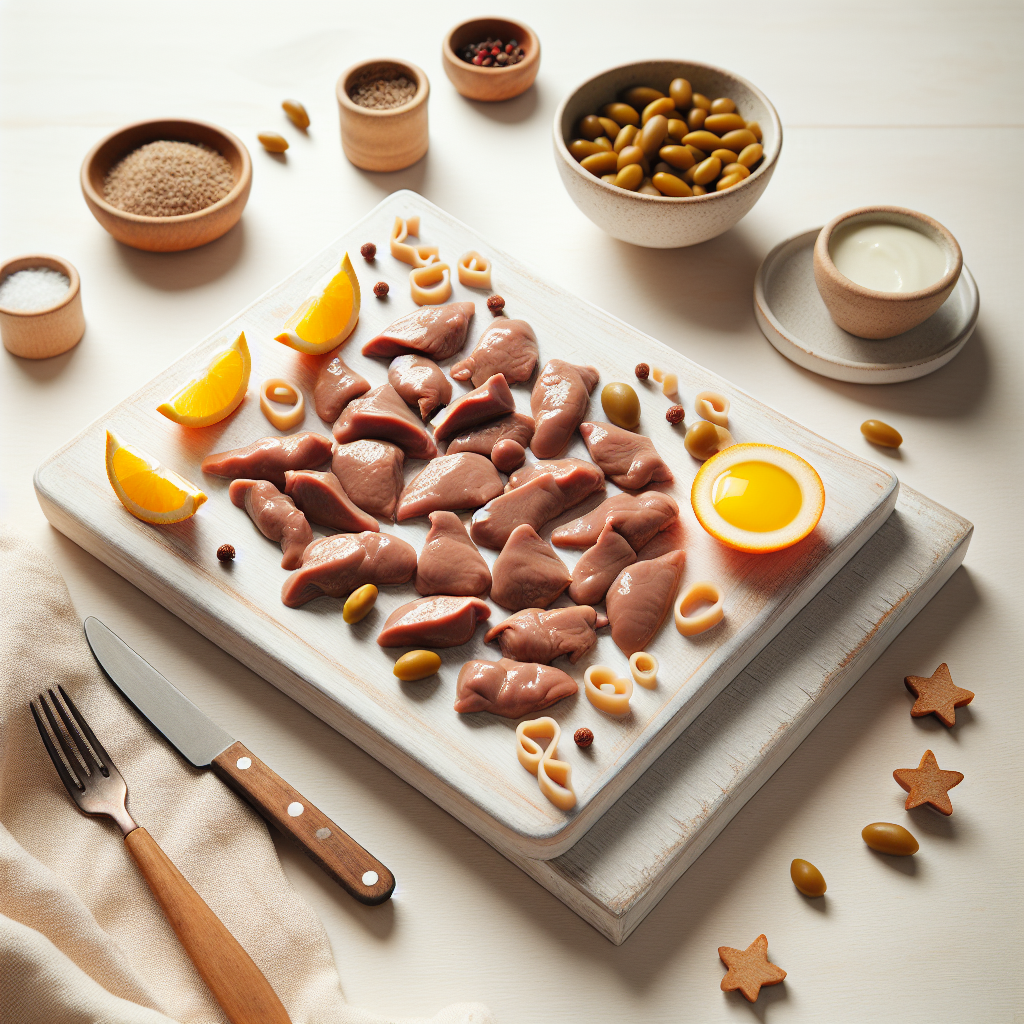
Serve chicken liver in small, soft bites or strips that your toddler can easily chew and swallow. Continue to keep the liver moist by serving it with a sauce, gravy, or mixed into dishes like risotto or scrambled eggs. Avoid overcooking, which can create dry edges that are more difficult to chew.
Nutrition highlights
Chicken liver is one of the richest sources of highly absorbable haem iron available, making it an excellent food for preventing iron deficiency in babies. It also provides exceptional amounts of vitamin A, B vitamins (especially B12 and folate), and high-quality protein to support growth and development. The dense nutrient profile means even small portions deliver significant nutritional benefits.
Lower-risk serving reminders
Chicken liver has a low choking risk when prepared properly because it becomes very soft and tender when fully cooked, breaking apart easily in the mouth. Its naturally moist texture means it does not form dry, hard pieces that could pose a choking hazard.
Allergen introduction checklist
Chicken liver is not a common allergen and does not appear on the list of major food allergens. However, as with any new food, introduce it on its own and watch for signs of an allergic reaction, which can include rash, vomiting, or difficulty breathing.
Common questions
How often can I give my baby chicken liver?
Offer chicken liver once or twice a week rather than daily, as it is very high in vitamin A and excessive amounts could be harmful. Small portions provide ample nutrition without risk of oversupply.
Does chicken liver need to be soaked before cooking for babies?
Soaking chicken liver in milk for 30 minutes to an hour before cooking can help mellow the flavour and improve the texture, though it is not strictly necessary for safety. Rinse well after soaking and cook thoroughly.
What is the best way to cook chicken liver for baby-led weaning?
Gently sauté or poach chicken liver until fully cooked and tender, then allow it to cool before serving. Avoid overcooking, as this makes the liver dry and crumbly, which is harder for babies to manage.
General feeding checklist
- Seat baby upright and stable for all meals.
- Model slow chewing and allow baby to control pace.
- Stop and reset if baby is upset, tired, or over-stuffed.
Readiness signs to check
- Baby can sit upright with minimal support during meals.
- Hands and mouth coordinate for bringing food to the mouth.
- Tongue-thrust reflex is reduced, so food is not immediately pushed out.
- Interest in self-feeding and opening mouth for food cues is visible.
Pause and seek advice if
- Coughing is persistent or distress does not settle quickly during meals.
- You notice repeated vomiting, rash, swelling, wheeze, or breathing changes after a food.
- Baby struggles with swallowing progression over multiple meals despite texture adjustments.
- There is a known medical condition affecting feeding, growth, or airway safety.
Other ages: 6–8 months · 9–11 months