Baby-led weaning · age-specific guide
Lentil red dhal for 6–8 months
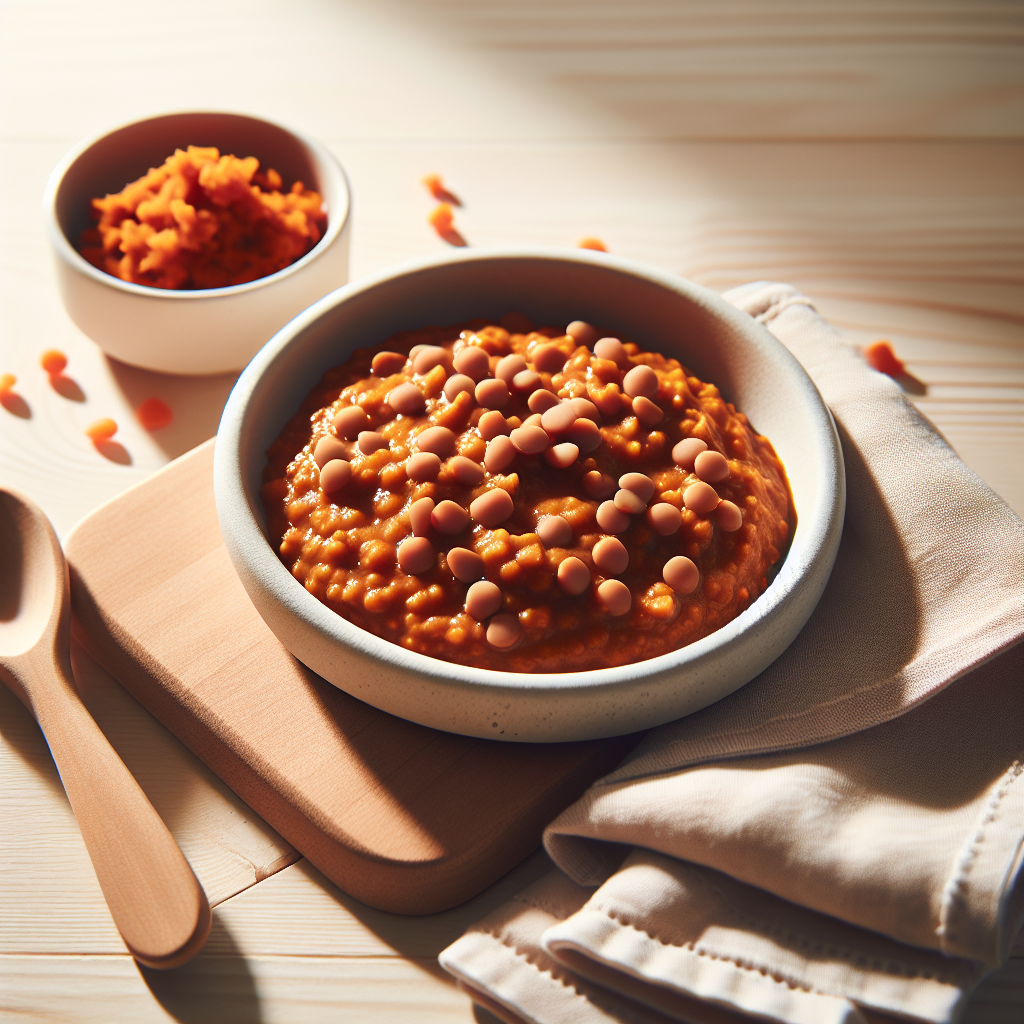
Lentil red dhal can be introduced as soon as your baby is ready to start solid foods, which is typically around 6 months of age. Red lentils break down into a soft, creamy texture when cooked, making them well suited for early eaters. As with all new foods, introduce lentil dhal on its own at first so you can monitor for any reactions.
How to serve at 6–8 months
Serve lentil red dhal with a soft, creamy consistency, thinned slightly with water, breast milk, or formula if needed. You can offer it preloaded on a spoon for your baby to grasp, spread thinly on strips of toast, or mixed into mashed vegetables. The dhal should be smooth enough to swallow easily but thick enough to stay on the spoon or toast.
Nutrition highlights
Lentil red dhal is an excellent source of plant-based protein and iron, both of which support healthy growth and development in babies. It also provides fibre to support digestive health and B vitamins that help with energy metabolism. The iron in lentils is better absorbed when served alongside vitamin C-rich foods such as tomatoes or peppers.
Lower-risk serving reminders
Lentil red dhal presents a low choking risk because red lentils cook down to a very soft, almost puréed consistency. The smooth, creamy texture makes it easy for babies to manage, even when they're just starting to explore solid foods.
Allergen introduction checklist
Lentils are not a common allergen and are generally well tolerated by babies. However, any food can cause an allergic reaction in rare cases, so watch for signs such as hives, vomiting, or difficulty breathing after introducing lentil dhal for the first time.
Common questions
Can I add spices to lentil red dhal for my baby?
Yes, mild spices such as turmeric, cumin, and coriander are fine for babies and can help develop their palate. Avoid adding salt and use only small amounts of chilli or hot spices until your baby is older.
Does lentil dhal cause gas in babies?
Lentils can cause wind in some babies, but this is usually temporary as their digestive systems adapt. Starting with small portions and cooking the dhal thoroughly can help minimise discomfort.
Can I serve lentil dhal cold or does it need to be warm?
Lentil dhal can be served warm or at room temperature, whichever your baby prefers. Cold dhal may be firmer in texture, so you may need to thin it slightly with water or stock if serving chilled.
General feeding checklist
- Seat baby upright and stable for all meals.
- Model slow chewing and allow baby to control pace.
- Stop and reset if baby is upset, tired, or over-stuffed.
Readiness signs to check
- Baby can sit upright with minimal support during meals.
- Hands and mouth coordinate for bringing food to the mouth.
- Tongue-thrust reflex is reduced, so food is not immediately pushed out.
- Interest in self-feeding and opening mouth for food cues is visible.
Pause and seek advice if
- Coughing is persistent or distress does not settle quickly during meals.
- You notice repeated vomiting, rash, swelling, wheeze, or breathing changes after a food.
- Baby struggles with swallowing progression over multiple meals despite texture adjustments.
- There is a known medical condition affecting feeding, growth, or airway safety.
Other ages: 9–11 months · 12–24 months