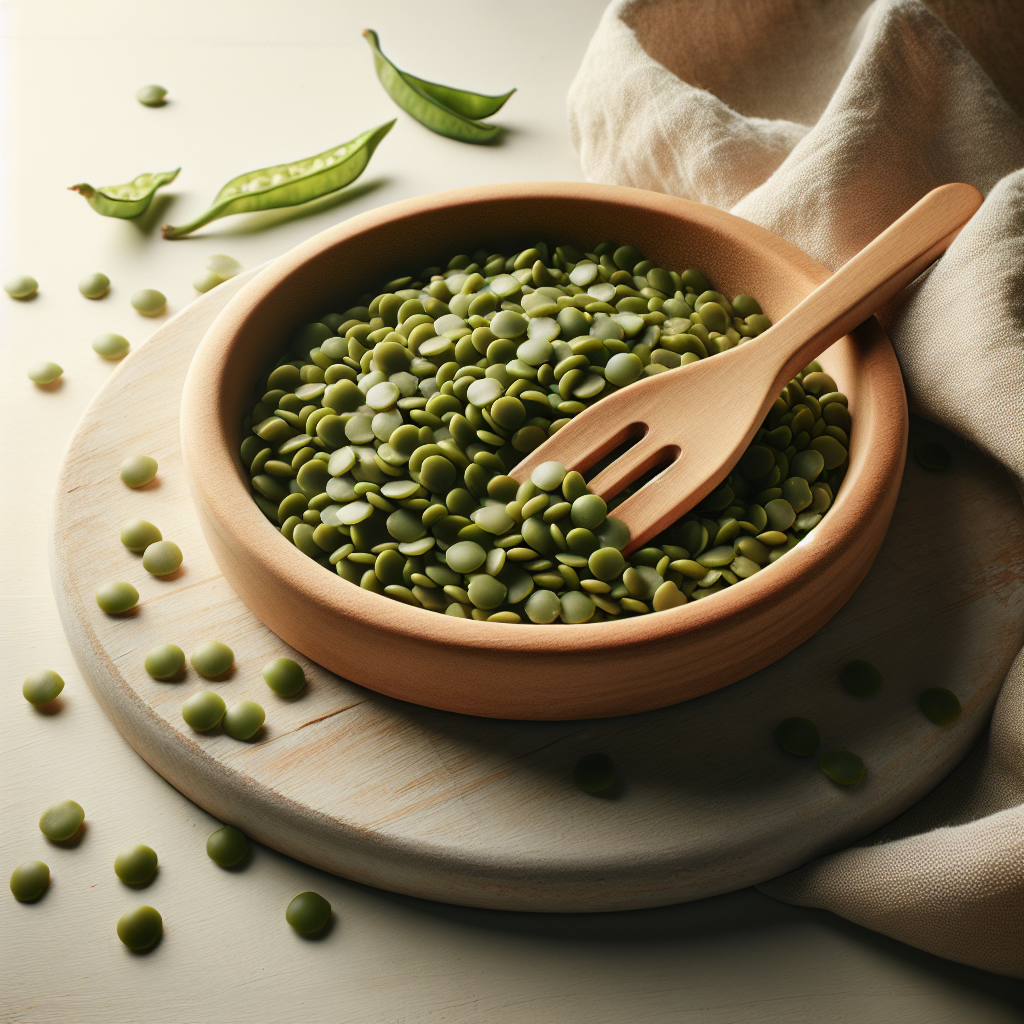
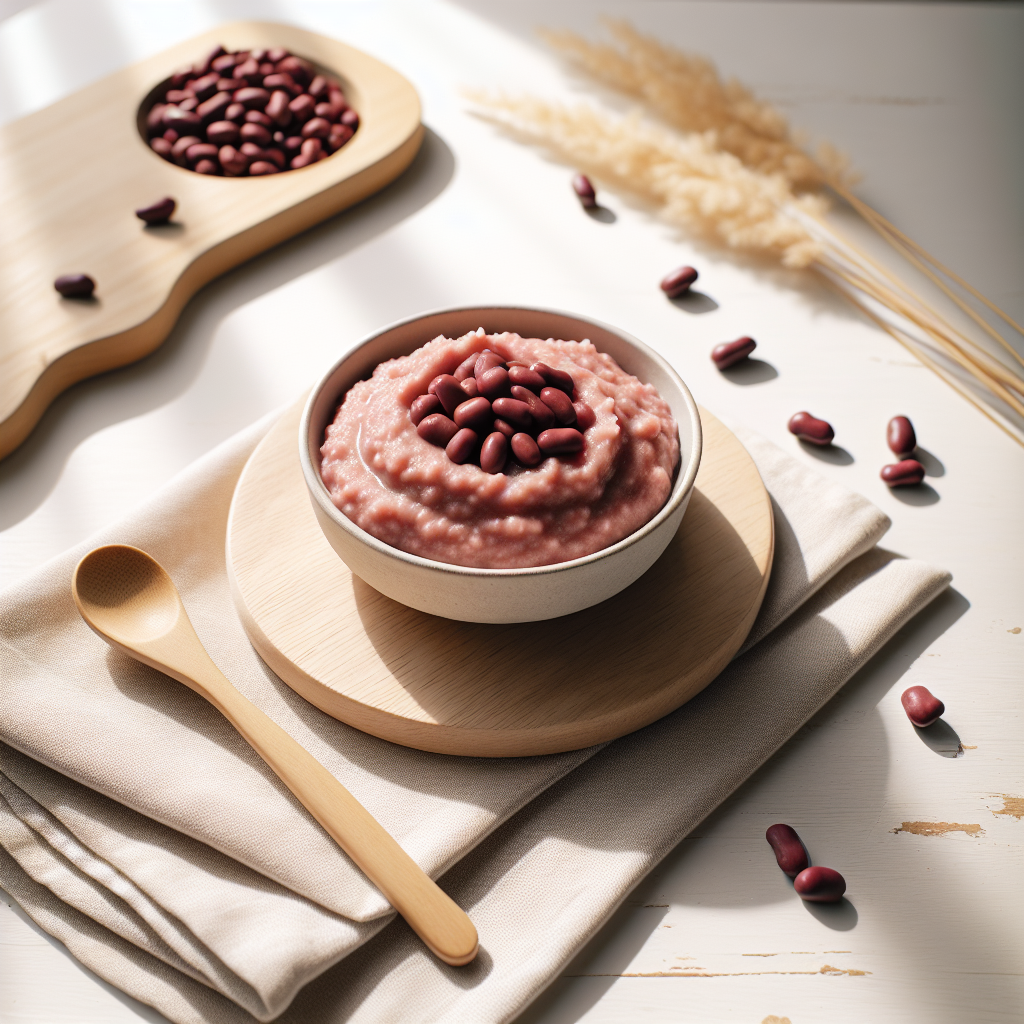
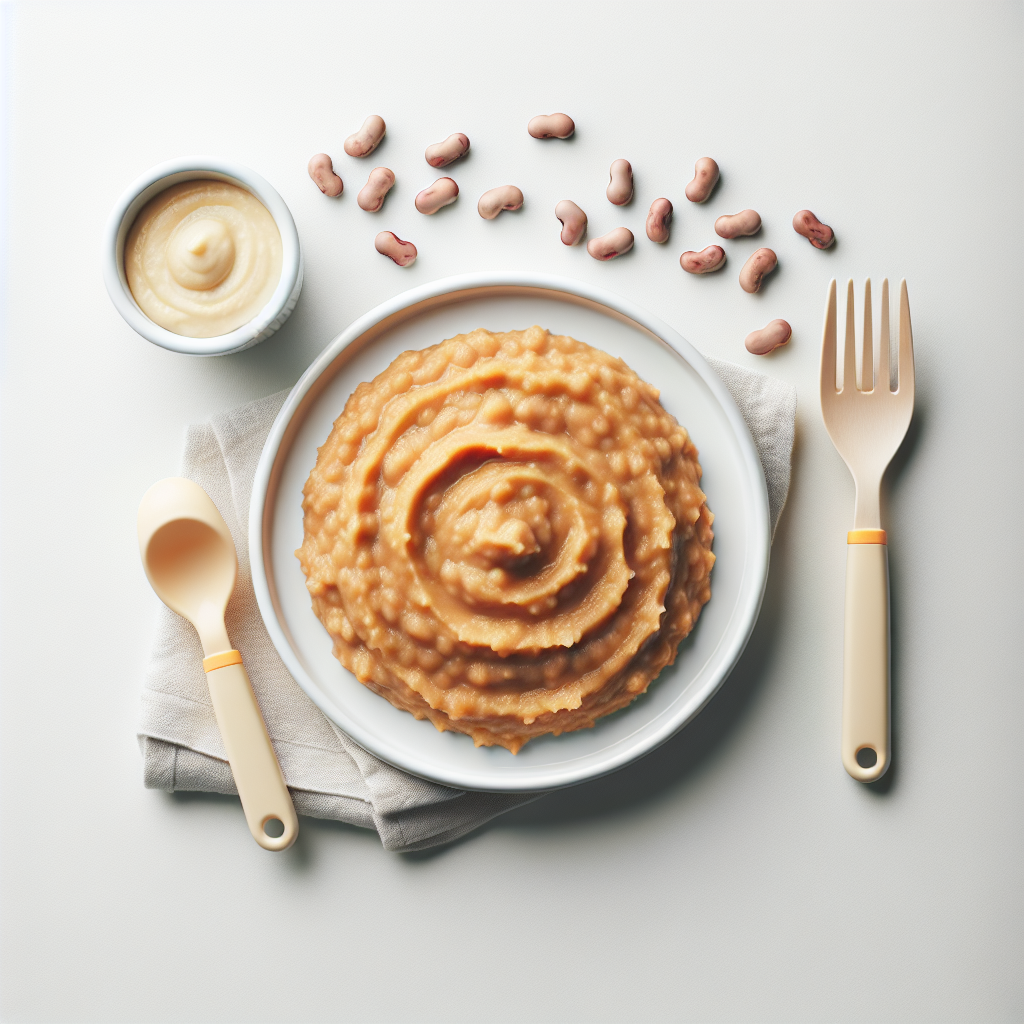
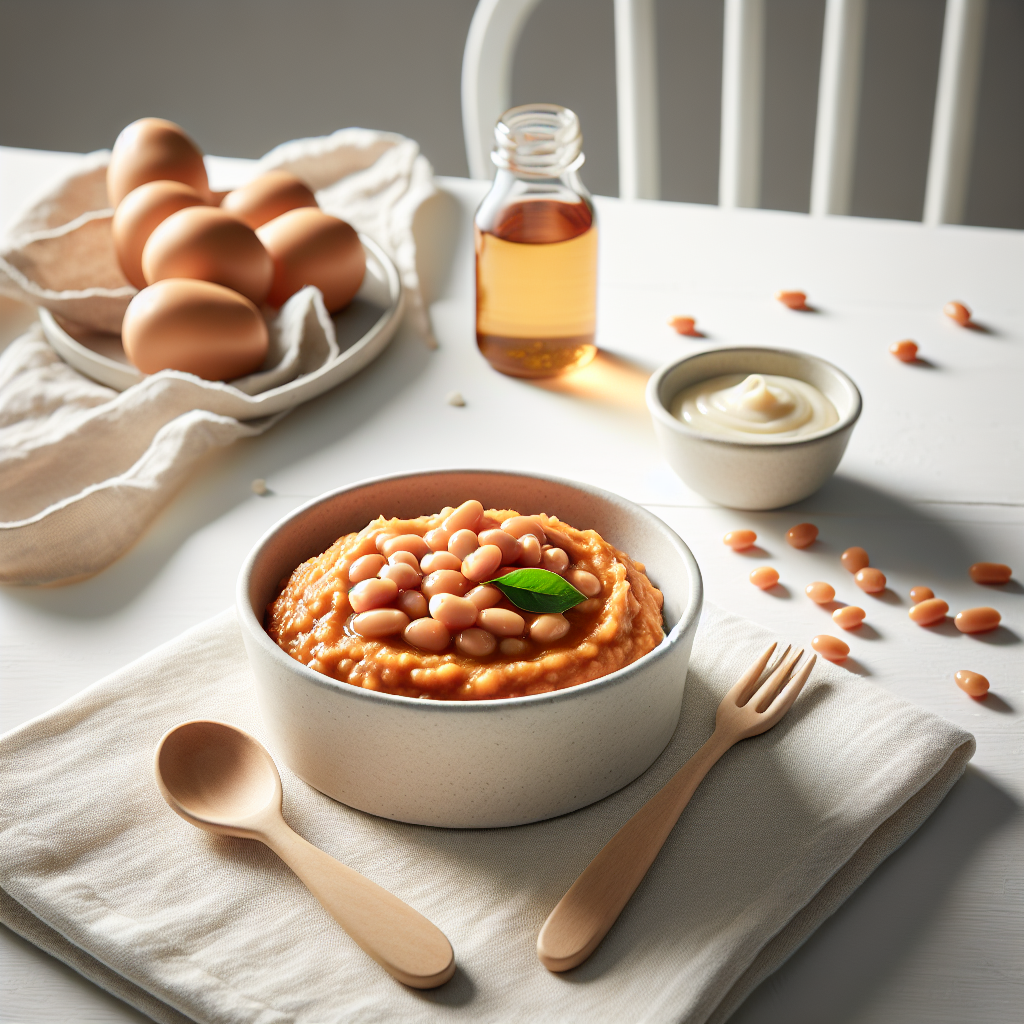
Green lentils may be offered to babies from 6 months of age, as soon as they are ready to start solid foods. Always cook green lentils until very soft, as firmer lentils pose a choking risk and can be difficult for young babies to manage. Start with well-cooked, mashed or flattened lentils to make them easier for little ones to gum and swallow safely.
Is Lentil green soft healthy for babies?
Green lentils are an excellent source of plant-based protein and iron, both essential for your baby's growth and development. They also provide folate, which supports healthy cell growth, and fibre, which aids digestion. Pairing lentils with vitamin C-rich foods such as tomatoes or peppers can help your baby's body absorb the iron more effectively.
Lower-risk serving reminders
Soft, well-cooked green lentils present a low choking risk because they break down easily in the mouth and do not require much chewing. Their small size and tender texture allow babies to mash them with their gums, though they should always be cooked until very soft to ensure safety.
Allergen introduction checklist
Green lentils are not a common allergen and are generally well tolerated by babies. Whilst legume allergies are rare, it is still sensible to introduce lentils as you would any new food, watching for signs of an allergic reaction such as hives, vomiting, or difficulty breathing.
General feeding checklist
Seat baby upright and stable for all meals.
Model slow chewing and allow baby to control pace.
Stop and reset if baby is upset, tired, or over-stuffed.
Readiness signs to check
Baby can sit upright with minimal support during meals.
Hands and mouth coordinate for bringing food to the mouth.
Tongue-thrust reflex is reduced, so food is not immediately pushed out.
Interest in self-feeding and opening mouth for food cues is visible.
Pause and seek advice if
Coughing is persistent or distress does not settle quickly during meals.
You notice repeated vomiting, rash, swelling, wheeze, or breathing changes after a food.
Baby struggles with swallowing progression over multiple meals despite texture adjustments.
There is a known medical condition affecting feeding, growth, or airway safety.
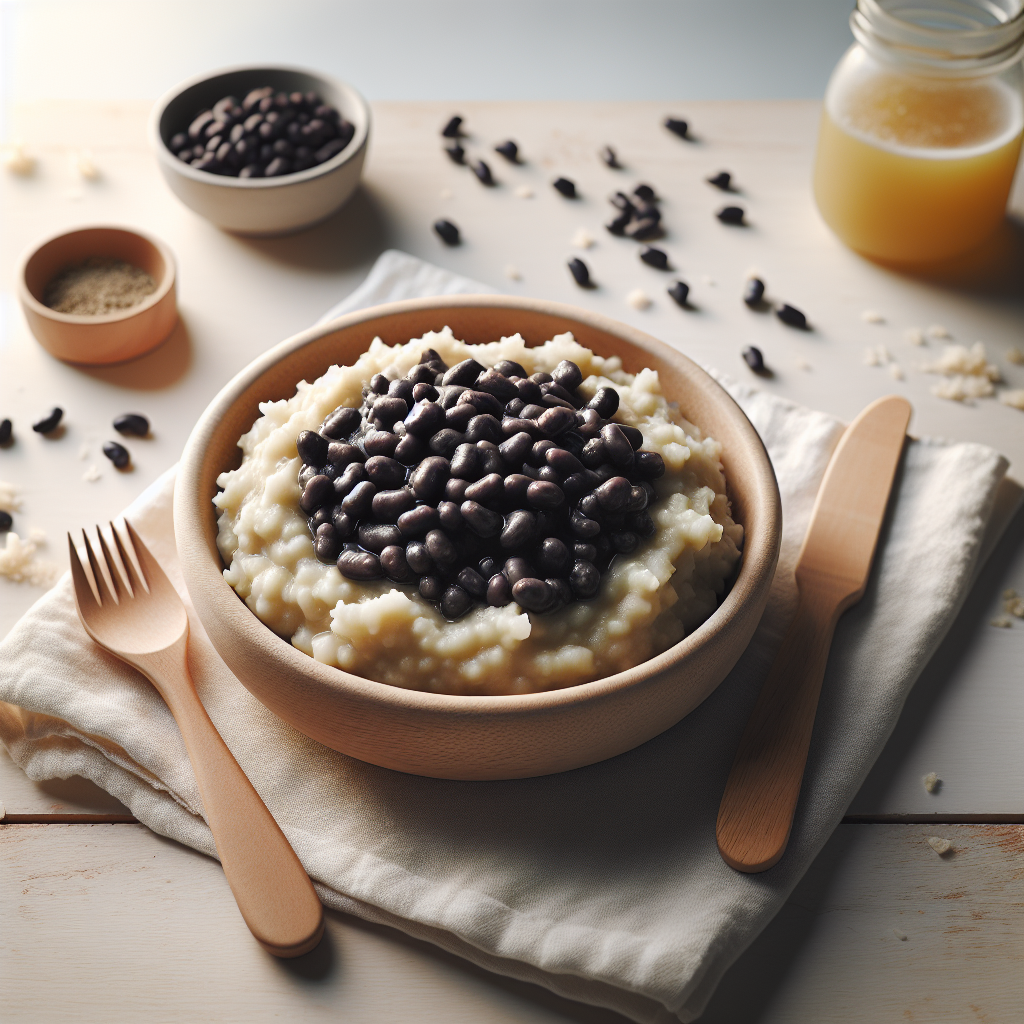
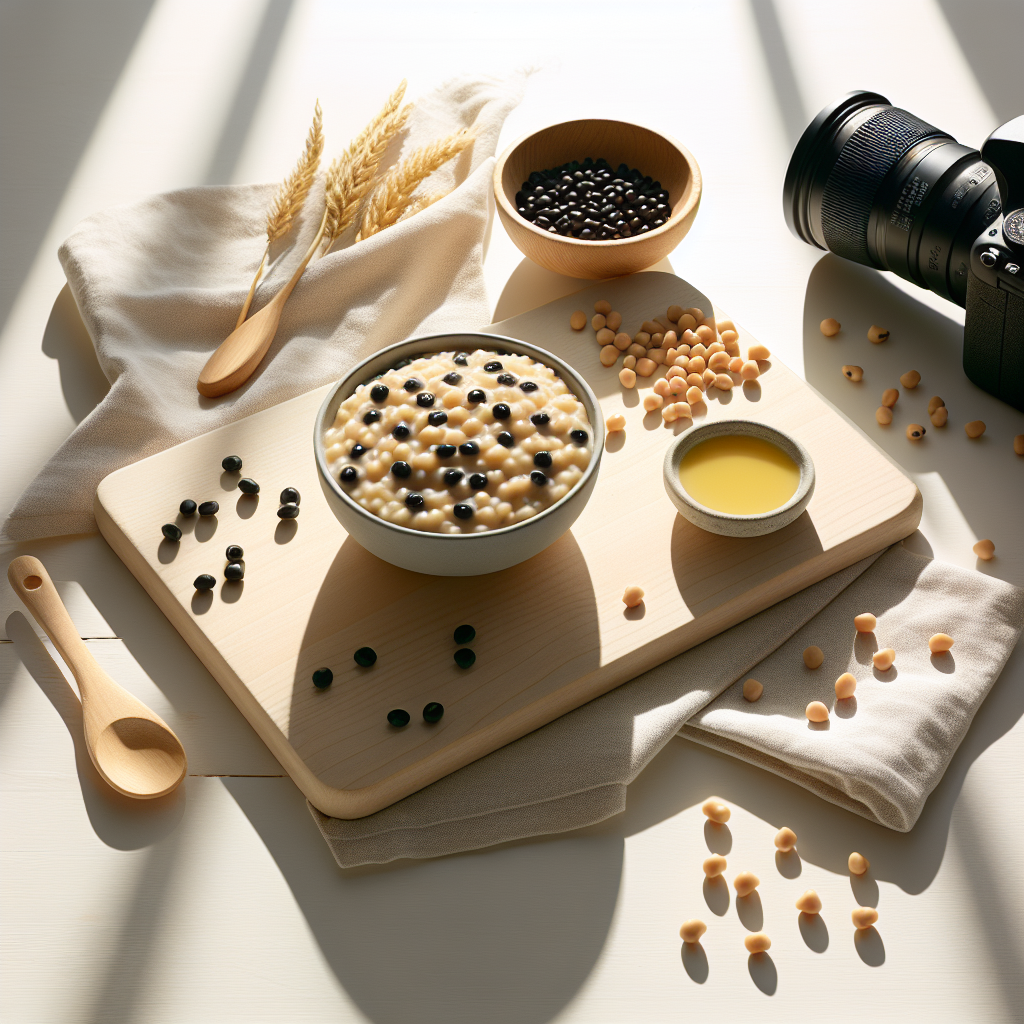
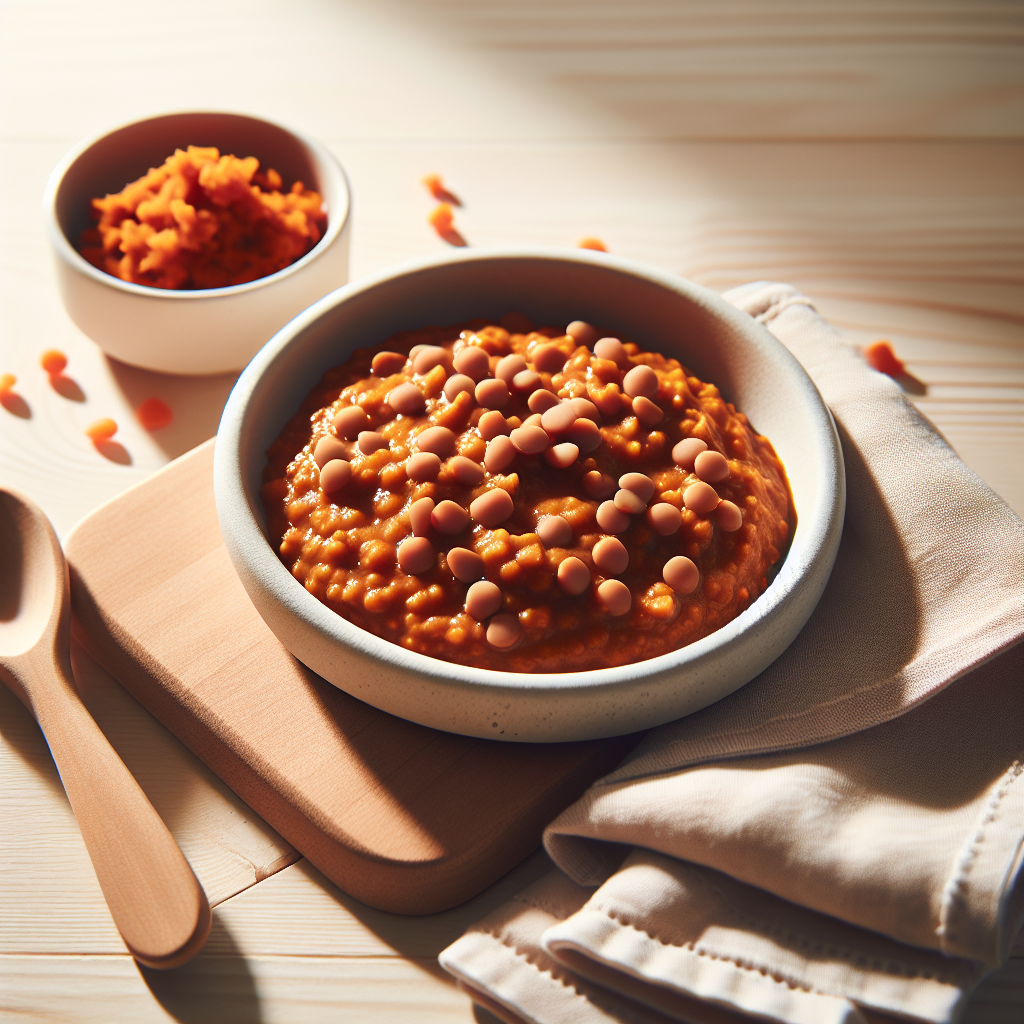
Cook green lentils until very soft, then mash or flatten them with a fork so they are easier for your baby to pick up and gum. Remove any loose skins that come away during cooking, as these can be tricky for young babies to manage. Serve the lentils on their own in small mounds on the tray, or stir them into mashed vegetables or porridge to help your baby practise scooping and self-feeding.
9–11 months
Continue to cook green lentils until very soft, and serve them smashed or lightly mashed rather than whole. You can also form soft lentil patties or simple fritters by mixing cooked lentils with mashed vegetables or breadcrumbs, which are easier for developing pincer grasp. Whole lentils may be offered if they are very soft and can be flattened easily between your fingers.
12–24 months
At this age, you can serve soft whole green lentils as part of family meals such as lentil dhal, soups, or stews. Ensure the texture is thick enough for your toddler to scoop with a spoon or their hands, which encourages self-feeding skills. Green lentils can also be stirred into pasta, rice, or served alongside vegetables as a protein-rich side dish.
Common questions about Lentil green soft
Do I need to remove the skins from green lentils for my baby?
Loose skins can be removed for younger babies aged 6 to 8 months, as they may be harder to manage, but this is not essential if the lentils are very soft and well mashed.
Can green lentils cause constipation in babies?
Green lentils are high in fibre, which usually supports healthy digestion, but introducing them too quickly or without enough fluids may cause temporary changes in stools. Offer water alongside meals and introduce lentils gradually.
How do I cook green lentils for baby-led weaning?
Rinse green lentils and simmer them in water or low-sodium broth for 25 to 35 minutes until very soft and tender. Avoid adding salt, and ensure they are cooked long enough that they mash easily with gentle pressure.