Baby-led weaning · age-specific guide
Kale for 6–8 months
Kale may be introduced as soon as your baby is ready to start solids, which is generally around 6 months of age. When cooked until very soft, kale becomes tender enough for babies to gum and mash with their developing oral skills. Always ensure kale is thoroughly cooked to minimise any risk and make it easier for your baby to handle and swallow.
How to serve at 6–8 months
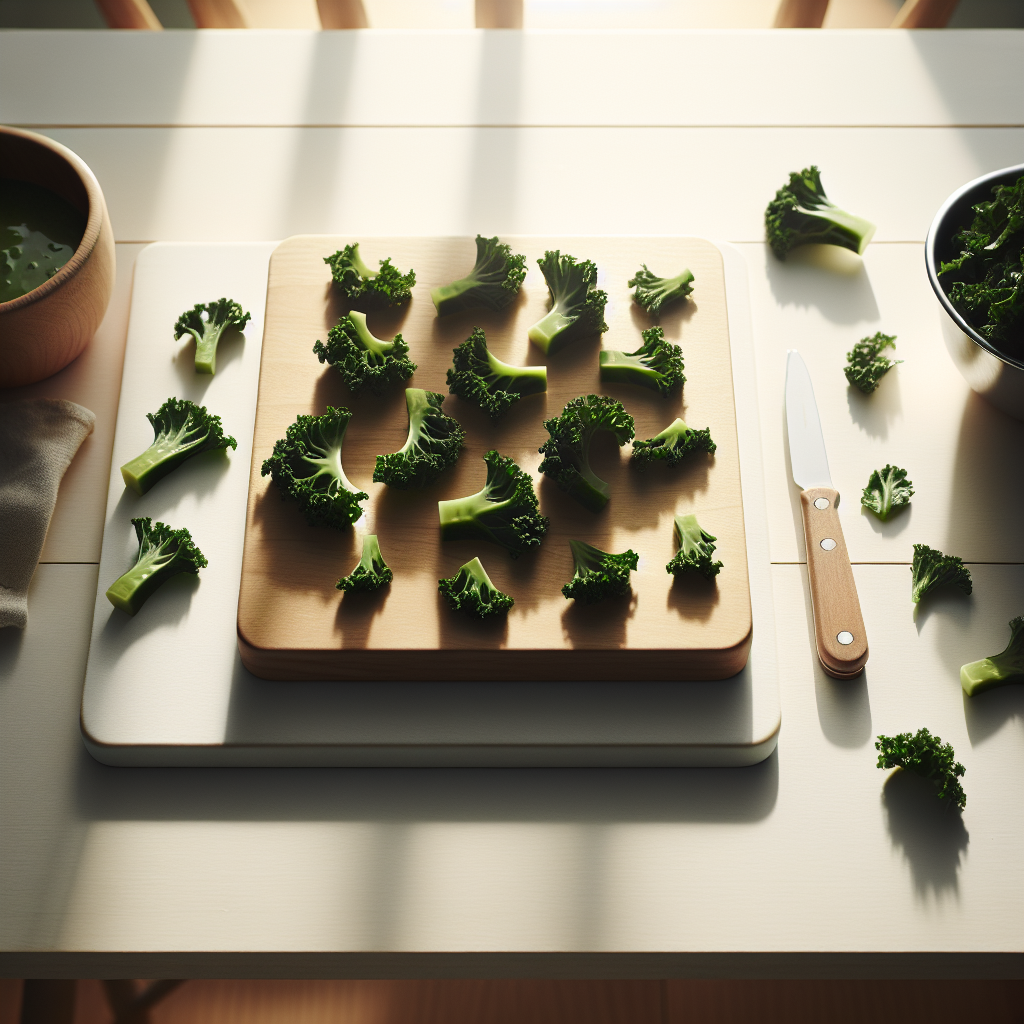
Steam or roast kale until very soft and tender, then remove any thick stems. Cut the leaves into finger-length strips (about 5–8 cm long) or leave them as large wedges that your baby can hold in their fist with some hanging out to gum. Offering strips of kale mixed into mashed potato or stirred through soft grains like porridge can also help your baby manage this slippery vegetable.
Nutrition highlights
Kale is exceptionally rich in iron, an essential nutrient for brain development and preventing anaemia in growing babies. It also provides vitamins A, C, and K, along with calcium and folate, which support immune function, bone health, and overall growth. The vitamin C in kale helps your baby's body absorb the iron it contains, making it a particularly valuable addition to early meals.
Lower-risk serving reminders
Kale presents a low choking risk when properly prepared, as the leaves become soft and tender with adequate cooking. Raw or undercooked kale can be tough and difficult to chew, so always cook it until very soft and remove any thick, fibrous stems that could pose a challenge for young eaters.
Allergen introduction checklist
Kale is not a common allergen and is generally well tolerated by babies. As with any new food, introduce kale on its own for the first few servings and watch for any signs of an adverse reaction, though allergic responses to kale are rare.
Common questions
Do I need to remove kale stems before serving to my baby?
Yes, remove thick, fibrous stems as they remain tough even when cooked. Serve only the soft, tender leaves and very thin stem portions that have been cooked until completely soft.
Can I serve kale raw to my baby?
No, raw kale is too tough and fibrous for babies to manage safely. Always steam, boil, or roast kale until very soft before offering it to your baby.
What's the best way to cook kale for baby-led weaning?
Steaming or roasting kale until very soft works well for babies. Both methods preserve nutrients whilst creating a tender texture that babies can easily gum and swallow.
General feeding checklist
- Seat baby upright and stable for all meals.
- Model slow chewing and allow baby to control pace.
- Stop and reset if baby is upset, tired, or over-stuffed.
Readiness signs to check
- Baby can sit upright with minimal support during meals.
- Hands and mouth coordinate for bringing food to the mouth.
- Tongue-thrust reflex is reduced, so food is not immediately pushed out.
- Interest in self-feeding and opening mouth for food cues is visible.
Pause and seek advice if
- Coughing is persistent or distress does not settle quickly during meals.
- You notice repeated vomiting, rash, swelling, wheeze, or breathing changes after a food.
- Baby struggles with swallowing progression over multiple meals despite texture adjustments.
- There is a known medical condition affecting feeding, growth, or airway safety.
Other ages: 9–11 months · 12–24 months