Baby-led weaning · age-specific guide
Idli for 12–24 months
Idli may be offered as soon as your baby is ready to start solid foods, which is typically around 6 months of age. This soft, steamed rice and lentil cake is gentle on developing digestive systems and easy for little hands to grasp. As with all foods, ensure your baby is sitting upright and supervised during mealtimes.
How to serve at 12–24 months
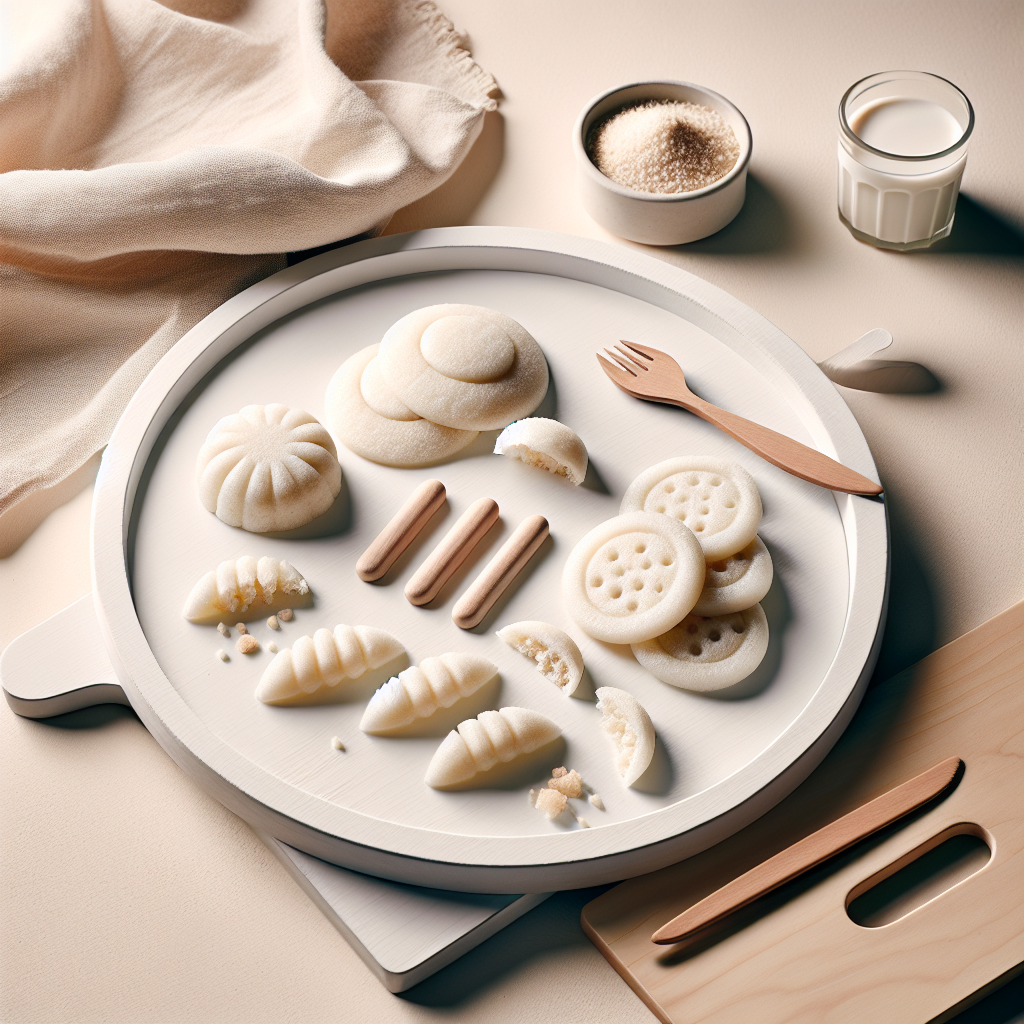
Serve idli as part of family meals, either whole or cut into smaller pieces depending on your toddler's chewing skills. At this stage, idli can be paired with a wider variety of accompaniments such as coconut chutney, sambhar, or vegetable stir-fries. You may also lightly toast idli pieces in a dry pan for a slightly firmer texture, which some toddlers enjoy for dipping and self-feeding.
Nutrition highlights
Idli provides carbohydrates for energy and some plant-based protein from the lentils used in the batter. The fermentation process makes idli easier to digest and may support gut health by introducing beneficial bacteria. While not particularly high in iron or other key nutrients, idli serves as a mild, versatile base that pairs well with nutrient-dense accompaniments like vegetable curries or dals.
Lower-risk serving reminders
Idli has a low choking risk because it is soft, moist, and breaks down easily in the mouth when properly prepared. The spongy texture compresses readily with gum pressure, making it safe for babies who are just learning to chew.
Allergen introduction checklist
Idli is not a common allergen, as it is traditionally made from fermented rice and urad dal (black lentils). However, some recipes may include added ingredients such as fenugreek seeds, so check the preparation method if serving shop-bought or restaurant versions.
Common questions
Can I serve shop-bought idli to my baby?
Yes, but check the ingredients for added salt, preservatives, or allergens. Freshly steamed idli made at home or from a trusted source is often the best choice for babies.
How do I make idli more nutritious for my baby?
Serve idli alongside iron-rich dals, vegetable curries, or a dollop of full-fat yoghurt to boost the nutrient content. You can also spread a thin layer of nut or seed butter on top for older babies.
Can my baby eat cold idli?
Yes, idli can be served at room temperature or cold, though many babies prefer it warm. Cold idli may be slightly firmer, so ensure it remains soft enough to compress easily between your fingers.
General feeding checklist
- Seat baby upright and stable for all meals.
- Model slow chewing and allow baby to control pace.
- Stop and reset if baby is upset, tired, or over-stuffed.
Readiness signs to check
- Baby can sit upright with minimal support during meals.
- Hands and mouth coordinate for bringing food to the mouth.
- Tongue-thrust reflex is reduced, so food is not immediately pushed out.
- Interest in self-feeding and opening mouth for food cues is visible.
Pause and seek advice if
- Coughing is persistent or distress does not settle quickly during meals.
- You notice repeated vomiting, rash, swelling, wheeze, or breathing changes after a food.
- Baby struggles with swallowing progression over multiple meals despite texture adjustments.
- There is a known medical condition affecting feeding, growth, or airway safety.
Other ages: 6–8 months · 9–11 months