Baby-led weaning · age-specific guide
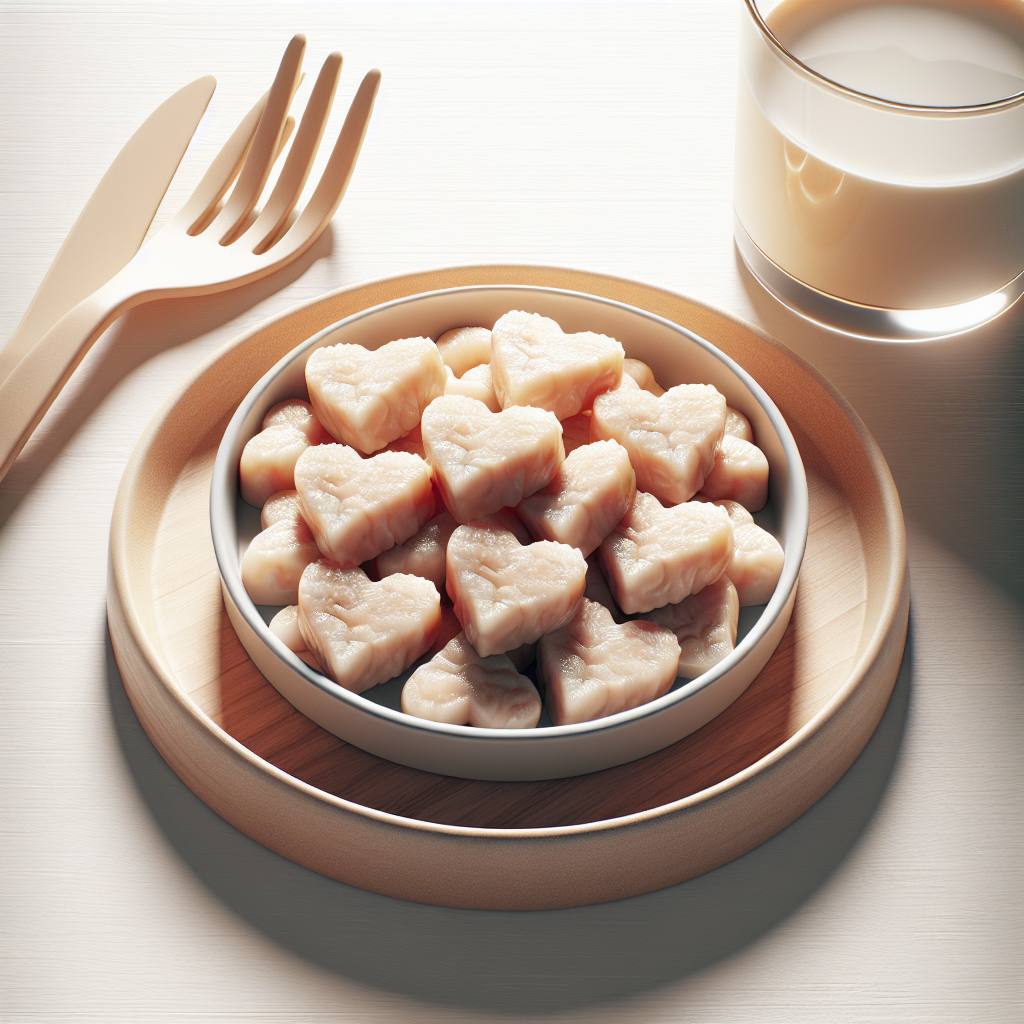
Heart chicken for 12–24 months
Chicken heart can be introduced as soon as your baby is ready to start solids, which is typically around 6 months of age. Like other organ meats, chicken heart is nutrient-dense and offers valuable iron and protein for growing babies. Always ensure chicken heart is fully cooked through to a safe internal temperature before serving.
How to serve at 12–24 months
Cook chicken hearts thoroughly and cut into small, manageable bites appropriate for your toddler's chewing ability. Serve as part of mixed dishes like stews, pasta, or rice bowls to keep the pieces moist and interesting. Avoid overcooking, which can make the hearts rubbery and more difficult to chew.
Nutrition highlights
Chicken heart is exceptionally rich in iron, which supports healthy brain development and helps prevent iron deficiency anaemia in babies. It also provides high-quality protein, B vitamins including B12, and essential minerals like zinc and selenium. Organ meats like chicken heart are among the most nutrient-dense foods you can offer your baby.
Lower-risk serving reminders
Chicken heart has a low choking risk when prepared properly because it becomes soft and tender when fully cooked. The small size and naturally tender texture make it easy for babies to manage, especially when shredded or cut into appropriate pieces for their age.
Allergen introduction checklist
Chicken heart is not a common allergen and poultry is generally well-tolerated by most babies. As with introducing any new food, offer chicken heart on its own initially and watch for signs of an allergic reaction, though these are rare with poultry.
Common questions
How do I cook chicken heart for my baby?
Simmer chicken hearts in water or broth for 15 to 20 minutes until fully cooked and tender throughout, then shred or cut according to your baby's age. You can also braise them slowly with vegetables for added moisture and flavour.
Does chicken heart taste strong for babies?
Chicken heart has a mild, slightly richer flavour than chicken breast but is generally well-accepted by babies. Cooking it in broth or with mild herbs can make the flavour more familiar if your baby seems hesitant.
How often should I serve chicken heart to my baby?
Chicken heart can be offered once or twice a week as part of a varied diet that includes different protein sources. Its high iron content makes it particularly valuable, but variety remains important for balanced nutrition.
General feeding checklist
- Seat baby upright and stable for all meals.
- Model slow chewing and allow baby to control pace.
- Stop and reset if baby is upset, tired, or over-stuffed.
Readiness signs to check
- Baby can sit upright with minimal support during meals.
- Hands and mouth coordinate for bringing food to the mouth.
- Tongue-thrust reflex is reduced, so food is not immediately pushed out.
- Interest in self-feeding and opening mouth for food cues is visible.
Pause and seek advice if
- Coughing is persistent or distress does not settle quickly during meals.
- You notice repeated vomiting, rash, swelling, wheeze, or breathing changes after a food.
- Baby struggles with swallowing progression over multiple meals despite texture adjustments.
- There is a known medical condition affecting feeding, growth, or airway safety.
Other ages: 6–8 months · 9–11 months