Baby-led weaning · age-specific guide
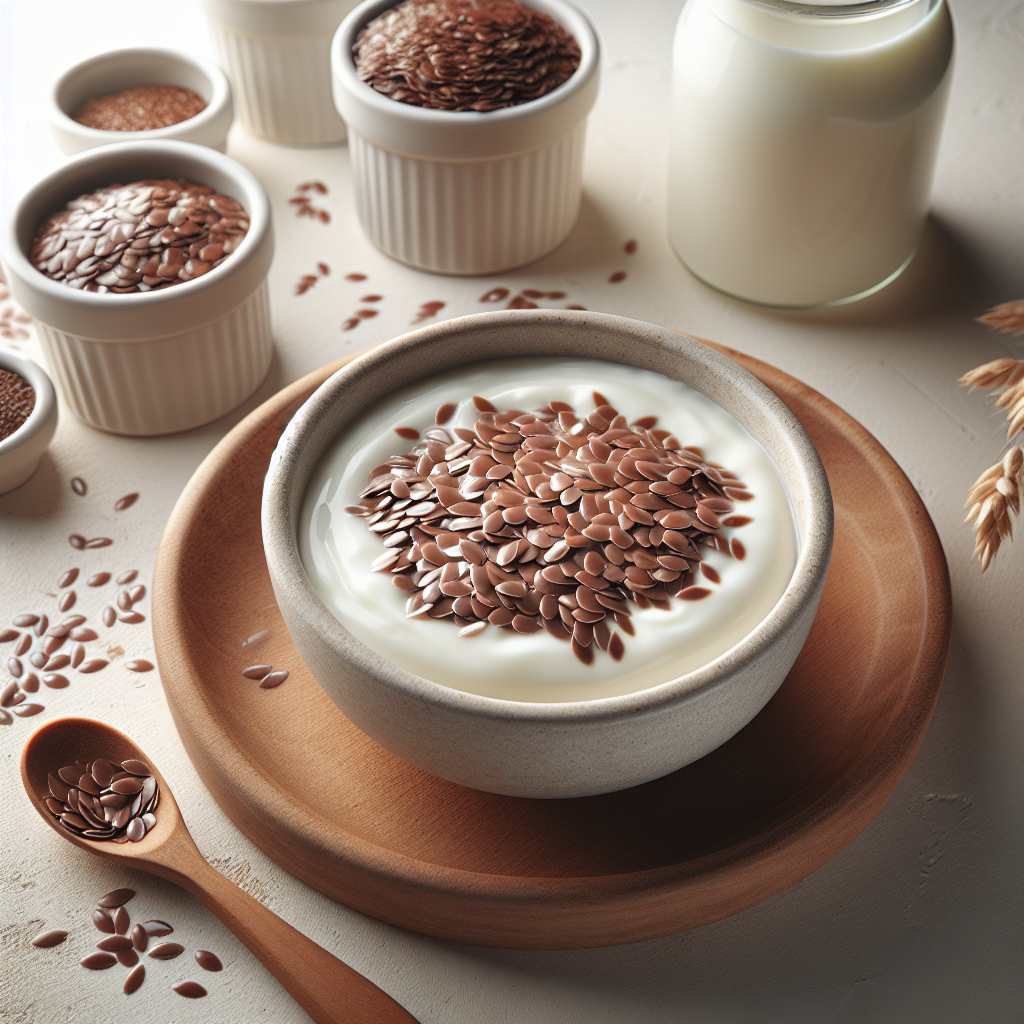
Flaxseed meal on yogurt for 12–24 months
Flaxseed meal on yogurt can be introduced as soon as your baby is ready to start solids, which is typically around 6 months of age. Ground flaxseed (also called linseed meal) is easier for babies to digest than whole flaxseeds and mixes beautifully into yogurt for a nutrient-dense first food. Always ensure the yogurt is plain and full-fat, which provides essential fats for your baby's growth and development.
How to serve at 12–24 months
At this age, you can offer flaxseed yogurt in a bowl with a spoon for independent eating, or continue spreading it on toast, crackers, or pancakes. You can also stir ground flaxseed into other foods your toddler enjoys, such as porridge, smoothies, or mashed fruit. Encourage self-feeding with utensils while keeping portions appropriate, around 1 to 2 teaspoons of flaxseed meal per serving.
Nutrition highlights
Flaxseed meal is an excellent source of plant-based omega-3 fatty acids, which support brain and eye development in babies. It also provides iron, fibre, and lignans, which act as antioxidants. The combination with yogurt adds calcium, protein, and beneficial probiotics that support gut health and bone development.
Lower-risk serving reminders
Flaxseed meal on yogurt presents a low choking risk because the finely ground flaxseed blends smoothly into the creamy yogurt, creating a soft, spoonable texture with no hard pieces. The meal absorbs moisture from the yogurt, forming a cohesive mixture that is easy for babies to manage.
Allergen introduction checklist
Flaxseed is not currently classified as a common allergen in the UK or US. While allergic reactions to flaxseed are rare, they can occur, so introduce it on its own (mixed with a familiar food like yogurt) and watch for signs of a reaction such as hives, swelling, or digestive upset.
Common questions
Should I use ground flaxseed or whole flaxseeds for my baby?
Always use ground flaxseed (flaxseed meal) for babies, as whole flaxseeds pass through the digestive system undigested and your baby will not absorb the nutrients. Ground flaxseed is also easier to mix into foods and poses no choking risk.
How much flaxseed meal should I add to my baby's yogurt?
Start with a small amount, such as half a teaspoon, mixed into 2 to 3 tablespoons of yogurt, then gradually increase to 1 to 2 teaspoons as your baby becomes accustomed to the taste and texture. Too much fibre at once can cause digestive discomfort.
Does flaxseed meal need to be refrigerated?
Yes, ground flaxseed should be stored in an airtight container in the fridge or freezer to prevent the oils from going rancid. Use it within a few weeks of opening for the best nutritional quality and freshness.
General feeding checklist
- Seat baby upright and stable for all meals.
- Model slow chewing and allow baby to control pace.
- Stop and reset if baby is upset, tired, or over-stuffed.
Readiness signs to check
- Baby can sit upright with minimal support during meals.
- Hands and mouth coordinate for bringing food to the mouth.
- Tongue-thrust reflex is reduced, so food is not immediately pushed out.
- Interest in self-feeding and opening mouth for food cues is visible.
Pause and seek advice if
- Coughing is persistent or distress does not settle quickly during meals.
- You notice repeated vomiting, rash, swelling, wheeze, or breathing changes after a food.
- Baby struggles with swallowing progression over multiple meals despite texture adjustments.
- There is a known medical condition affecting feeding, growth, or airway safety.
Other ages: 6–8 months · 9–11 months