Baby-led weaning · age-specific guide
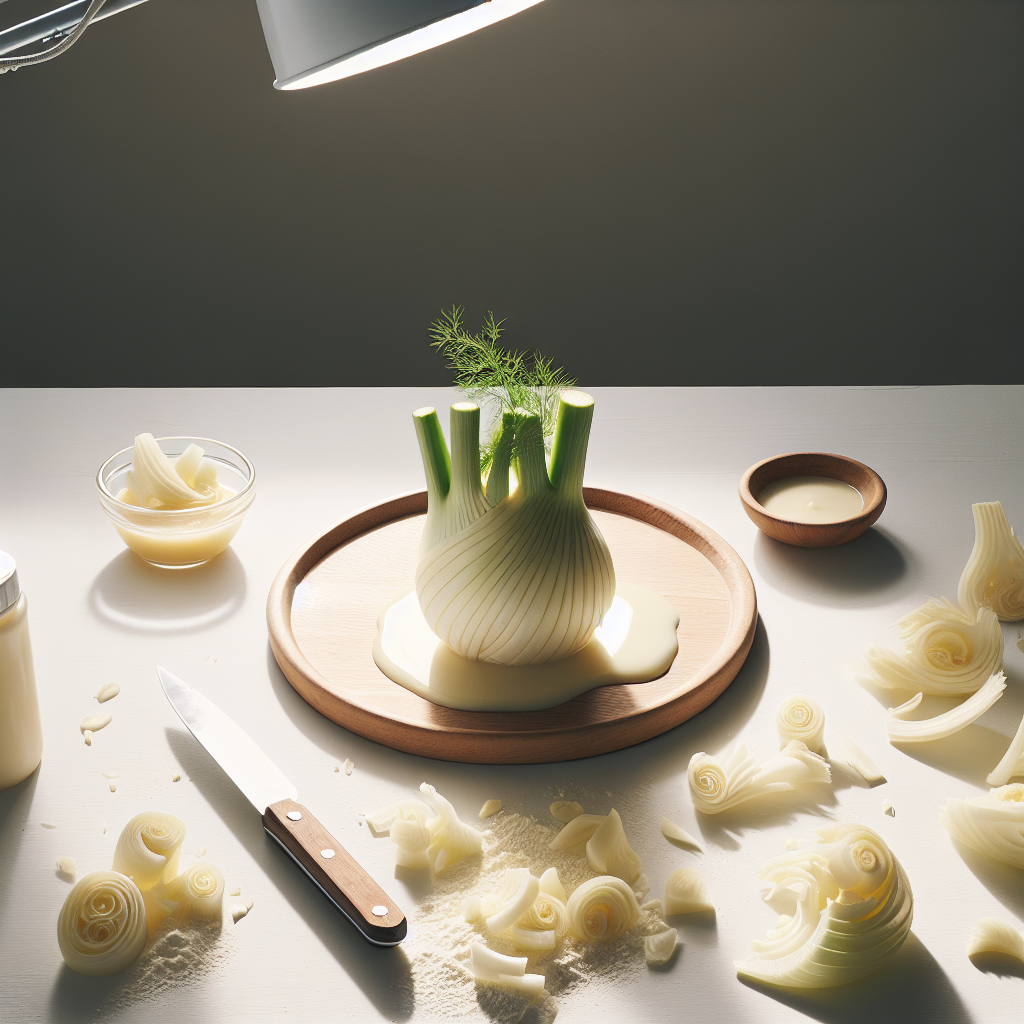
Fennel bulb for 9–11 months
Fennel bulb may be introduced as soon as your baby is ready to start solid foods, which is generally around 6 months of age. When cooked until very soft, fennel is a gentle, mild vegetable that babies can easily gum and swallow. Always prepare fennel appropriately for your baby's age and developmental stage to ensure it remains safe and easy to manage.
How to serve at 9–11 months
Continue to cook fennel until very soft, then cut it into smaller pieces such as thick coins or shorter strips that your baby can pick up with their developing pincer grasp. The pieces should still mash easily between your fingers to ensure they are safe and manageable. You can mix cooked fennel with other soft vegetables or serve it alongside proteins like flaked fish or lentils.
Nutrition highlights
Fennel bulb is a good source of vitamin C, which supports your baby's immune system and helps their body absorb iron from other foods. It also provides fibre to support healthy digestion, along with folate and potassium. The mild, slightly sweet flavour introduces babies to new tastes while offering gentle nutrients for their developing bodies.
Lower-risk serving reminders
Fennel bulb has a low choking risk when cooked until very soft and cut into age-appropriate shapes. The fibrous layers break down during cooking, making them easy for babies to gum and mash without posing a significant choking hazard.
Allergen introduction checklist
Fennel bulb is not a common allergen, though reactions are possible as with any food. In rare cases, individuals with birch pollen allergies may experience oral allergy syndrome when eating fennel, though this is uncommon in babies.
Common questions
Does fennel help with baby's digestion or wind?
Fennel has traditionally been used to ease digestive discomfort, though scientific evidence for its effects in babies is limited. Offering fennel as part of a varied diet may support overall digestive health.
Can I serve fennel raw to my baby?
Raw fennel is too firm and fibrous for babies under 12 months and poses a choking risk. Always cook fennel until very soft before offering it to young babies.
What part of the fennel should I use for baby-led weaning?
Use the white bulb portion of the fennel, cutting away the tough base and removing the outer layer if it seems very fibrous. The fronds can be finely chopped and added to purees or family meals once your baby is older.
General feeding checklist
- Seat baby upright and stable for all meals.
- Model slow chewing and allow baby to control pace.
- Stop and reset if baby is upset, tired, or over-stuffed.
Readiness signs to check
- Baby can sit upright with minimal support during meals.
- Hands and mouth coordinate for bringing food to the mouth.
- Tongue-thrust reflex is reduced, so food is not immediately pushed out.
- Interest in self-feeding and opening mouth for food cues is visible.
Pause and seek advice if
- Coughing is persistent or distress does not settle quickly during meals.
- You notice repeated vomiting, rash, swelling, wheeze, or breathing changes after a food.
- Baby struggles with swallowing progression over multiple meals despite texture adjustments.
- There is a known medical condition affecting feeding, growth, or airway safety.
Other ages: 6–8 months · 12–24 months