Baby-led weaning · age-specific guide
Emu mince for 9–11 months
Emu mince may be introduced as soon as your baby is ready to start solid foods, which is generally around 6 months of age. As with all meats, ensure the mince is cooked thoroughly to a safe internal temperature and prepared in a soft, moist texture that is easy for your baby to manage. Emu is lean, so adding moisture through cooking methods like slow simmering or mixing with sauce will help prevent it from becoming dry.
How to serve at 9–11 months
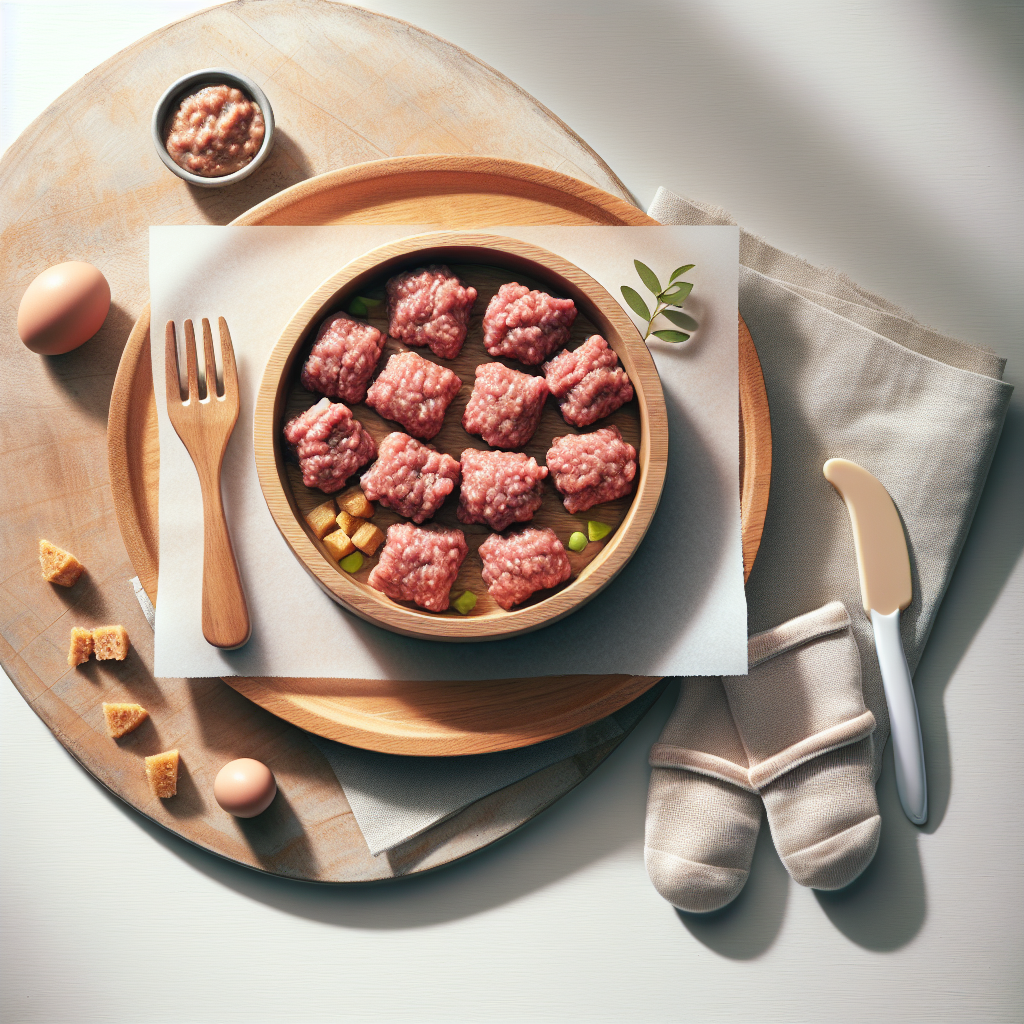
Continue to cook emu mince until tender and serve it as small, soft flakes or shreds mixed into pasta, grains, or vegetable dishes. You can also form the mince into small meatballs or mini burger patties that are easy for your baby to pick up with their developing pincer grasp. Keep the texture moist by cooking with sauces or broths.
Nutrition highlights
Emu mince is a rich source of high-quality protein, which supports growth, development, and muscle building in babies. It is also a good source of iron, zinc, and B vitamins, including B12, which are essential for energy, immune function, and brain development. Being naturally lean, emu is lower in saturated fat compared to many other red meats, though pairing it with healthy fats can aid nutrient absorption.
Lower-risk serving reminders
Emu mince has a low choking risk when cooked until tender and served in an age-appropriate form, as the small particles break down easily in the mouth. Avoid serving dry or compacted mince, as this can be more difficult for babies to manage safely.
Allergen introduction checklist
Emu is not a common allergen and is generally well tolerated by babies. As emu is a novel protein for most families, introduce it on its own to monitor for any unusual reactions, though allergies to emu meat are rare.
Common questions
Is emu mince safe for babies with a family history of meat allergies
Emu is not a common allergen and is often well tolerated, but if your family has a history of meat protein allergies, introduce it cautiously and consult your healthcare provider if you have concerns.
How do I keep emu mince moist for baby-led weaning
Cook emu mince with added liquid such as stock, tomato sauce, or coconut milk, and avoid overcooking. Mixing the cooked mince into stews, Bolognese-style sauces, or meatballs helps retain moisture.
Can I substitute emu mince for beef or lamb in baby recipes
Yes, emu mince can be used in place of beef or lamb in most recipes, though it cooks faster due to its leanness. Add extra moisture or fat to prevent it from drying out during cooking.
General feeding checklist
- Seat baby upright and stable for all meals.
- Model slow chewing and allow baby to control pace.
- Stop and reset if baby is upset, tired, or over-stuffed.
Readiness signs to check
- Baby can sit upright with minimal support during meals.
- Hands and mouth coordinate for bringing food to the mouth.
- Tongue-thrust reflex is reduced, so food is not immediately pushed out.
- Interest in self-feeding and opening mouth for food cues is visible.
Pause and seek advice if
- Coughing is persistent or distress does not settle quickly during meals.
- You notice repeated vomiting, rash, swelling, wheeze, or breathing changes after a food.
- Baby struggles with swallowing progression over multiple meals despite texture adjustments.
- There is a known medical condition affecting feeding, growth, or airway safety.
Other ages: 6–8 months · 12–24 months