Baby-led weaning · age-specific guide
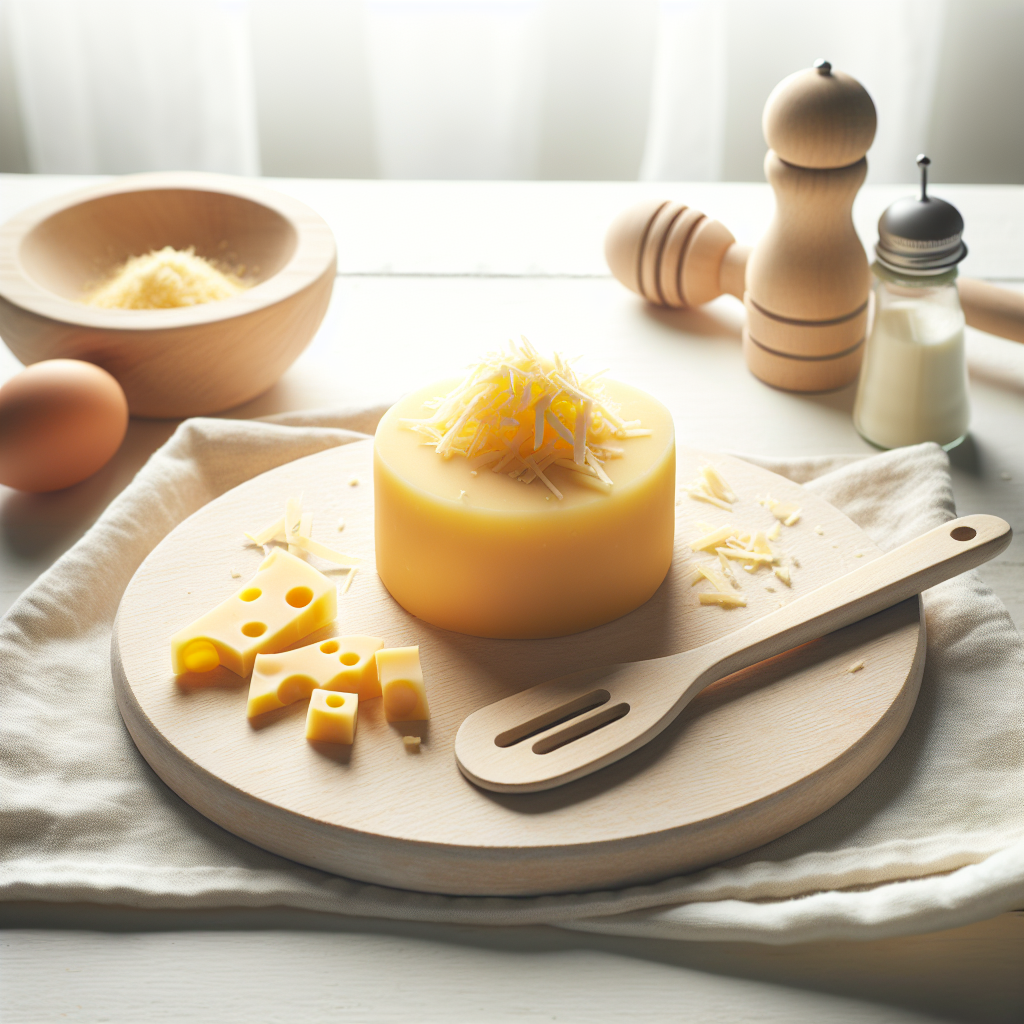
Emmental grated for 9–11 months
Grated Emmental can be introduced as soon as your baby is ready to start solid foods, which is typically around 6 months of age. As with all dairy products, it's important to watch for signs of cow's milk protein allergy when introducing Emmental for the first time, particularly if your baby has a history of eczema or other allergies. Emmental is a firm, full-fat cheese that works well for baby-led weaning when served in age-appropriate ways.
How to serve at 9–11 months
At 9 to 11 months, babies can manage grated Emmental sprinkled onto finger foods like pasta shapes, roasted vegetables, or toast fingers. You can also mix the grated cheese into foods like risotto, frittata, or soft polenta to add flavour and nutrition. As pincer grasp develops, some babies may enjoy attempting to pick up small clumps of grated cheese, though it will still work best when combined with other foods.
Nutrition highlights
Emmental is rich in protein, which supports growth and development, and provides calcium and phosphorus for building strong bones and teeth. It also contains vitamin A for healthy vision and immune function, plus zinc to support growth. As a full-fat cheese, Emmental offers beneficial fats that are important for brain development in the first two years of life.
Lower-risk serving reminders
Grated Emmental carries a low choking risk because the small, fine shreds naturally break down easily in the mouth and mix with saliva. The texture is manageable for babies learning to chew, and the cheese tends to clump together rather than scatter into hard pieces.
Allergen information
Emmental contains cow's milk, which is a common allergen and one of the top allergenic foods for babies. When introducing Emmental for the first time, offer a small amount and watch for signs of an allergic reaction, including hives, vomiting, or difficulty breathing.
Milk (dairy)
Common questions
Is Emmental cheese too salty for babies?
Emmental is moderately salty, containing around 450–550mg sodium per 100g, so it should be offered in small amounts as part of a varied diet. Choose unsalted or low-sodium varieties when available, and balance higher-sodium foods with fresh fruits and vegetables throughout the day.
Can I serve grated Emmental on its own to my baby?
Grated Emmental is best served mixed into or sprinkled on other foods rather than offered alone, as loose shreds can be difficult for young babies to pick up and may scatter in the mouth. Try melting it on toast, stirring it into scrambled eggs, or sprinkling it over cooked vegetables or pasta.
Does Emmental need to be pasteurised for babies?
Yes, always choose pasteurised Emmental for babies, as unpasteurised cheese can contain harmful bacteria. Most Emmental sold in UK and US supermarkets is pasteurised, but check the label to be certain.
General feeding checklist
- Seat baby upright and stable for all meals.
- Model slow chewing and allow baby to control pace.
- Stop and reset if baby is upset, tired, or over-stuffed.
Readiness signs to check
- Baby can sit upright with minimal support during meals.
- Hands and mouth coordinate for bringing food to the mouth.
- Tongue-thrust reflex is reduced, so food is not immediately pushed out.
- Interest in self-feeding and opening mouth for food cues is visible.
Pause and seek advice if
- Coughing is persistent or distress does not settle quickly during meals.
- You notice repeated vomiting, rash, swelling, wheeze, or breathing changes after a food.
- Baby struggles with swallowing progression over multiple meals despite texture adjustments.
- There is a known medical condition affecting feeding, growth, or airway safety.
Other ages: 6–8 months · 12–24 months