Baby-led weaning · age-specific guide
Edamame shelled for 9–11 months
Edamame can be introduced as soon as your baby is ready to start solid foods, which is typically around 6 months of age. Because edamame contains soy, a common allergen, it's important to introduce it on its own and watch for any signs of an allergic reaction. Always cook edamame until very soft to ensure it's safe for your baby to gum and swallow.
How to serve at 9–11 months
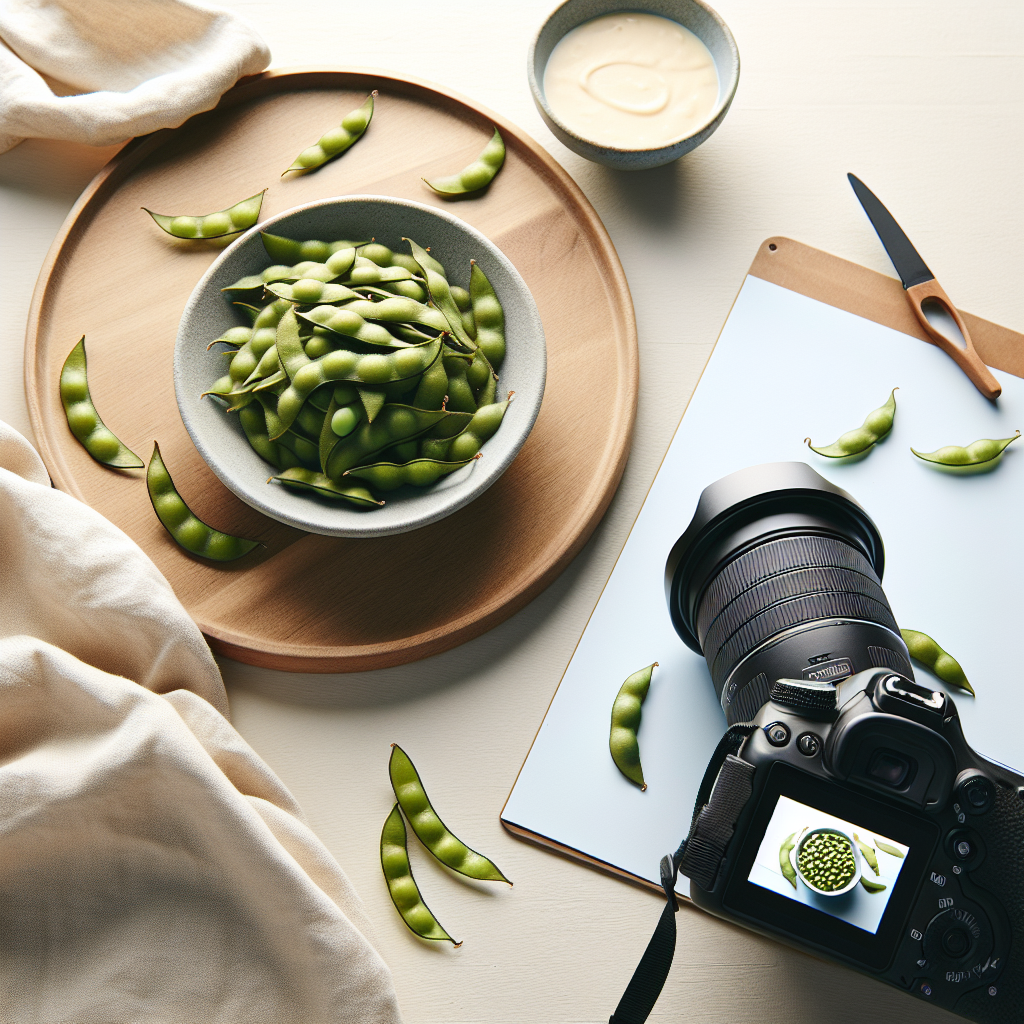
Continue cooking edamame until soft, though they don't need to be quite as tender as for younger babies. Serve the whole cooked beans for pincer grasp practice, or press them gently to flatten slightly if your baby finds them difficult to pick up. You can also mix cooked edamame into other foods like soft rice or mashed vegetables to add protein and texture variety.
Nutrition highlights
Edamame is an excellent source of plant-based protein, which supports growth and development in babies. It also provides fibre for healthy digestion, folate for cell development, and iron to support brain development. The healthy fats in edamame help babies absorb fat-soluble vitamins and support brain growth.
Lower-risk serving reminders
When cooked until very soft, shelled edamame has a low choking risk because the beans mash easily between the fingers and can be gummed by babies without teeth. Their smooth, slippery texture may make them tricky for young babies to grasp, but they break down well in the mouth when properly prepared.
Allergen information
Edamame contains soy, which is a common allergen and one of the top allergens recognised in the UK and US. When introducing edamame for the first time, serve it on its own and watch for signs of a reaction such as hives, vomiting, or difficulty breathing.
Soy
Common questions
Can babies have edamame if they have a soy allergy in the family?
Yes, current guidance suggests introducing common allergens like soy from around 6 months even with a family history of allergies, though you may wish to discuss timing with your GP or health visitor if you have concerns.
Do I need to remove the thin skin from edamame beans?
No, the thin skin on shelled edamame is safe for babies to eat when the beans are cooked until very soft. The skin adds fibre and will break down as your baby gums or chews.
Are frozen edamame beans safe for babies?
Yes, frozen edamame beans are safe and convenient for babies as long as you cook them thoroughly until very soft. Frozen edamame retain their nutrients well and are often more accessible than fresh.
General feeding checklist
- Seat baby upright and stable for all meals.
- Model slow chewing and allow baby to control pace.
- Stop and reset if baby is upset, tired, or over-stuffed.
Readiness signs to check
- Baby can sit upright with minimal support during meals.
- Hands and mouth coordinate for bringing food to the mouth.
- Tongue-thrust reflex is reduced, so food is not immediately pushed out.
- Interest in self-feeding and opening mouth for food cues is visible.
Pause and seek advice if
- Coughing is persistent or distress does not settle quickly during meals.
- You notice repeated vomiting, rash, swelling, wheeze, or breathing changes after a food.
- Baby struggles with swallowing progression over multiple meals despite texture adjustments.
- There is a known medical condition affecting feeding, growth, or airway safety.
Other ages: 6–8 months · 12–24 months