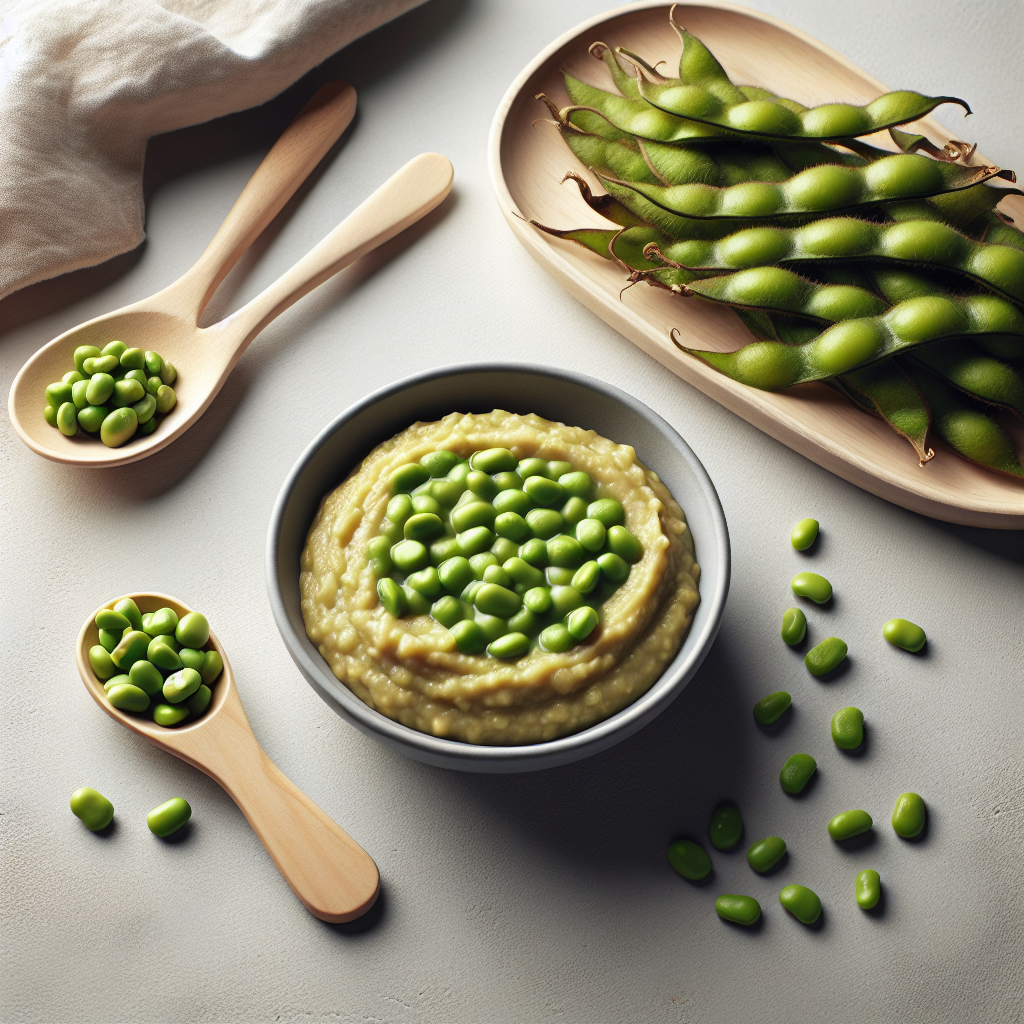
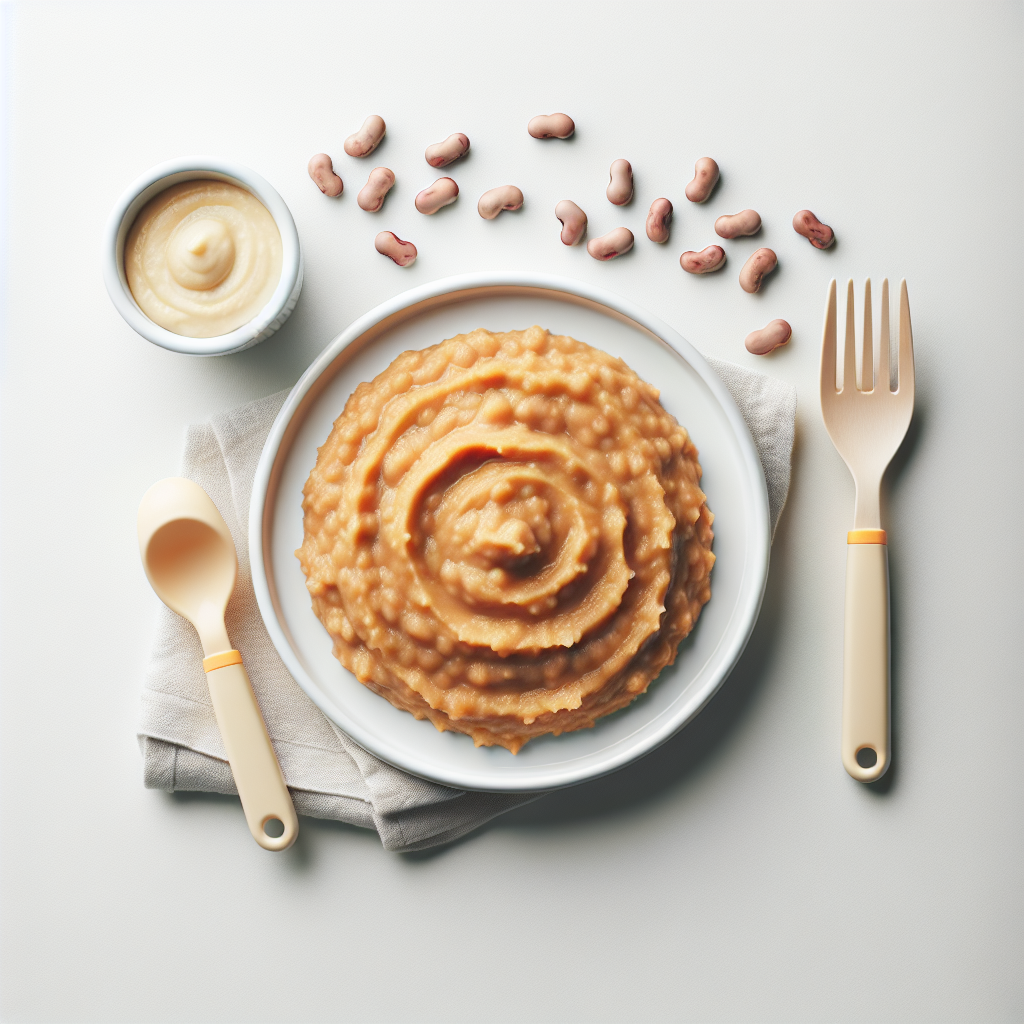
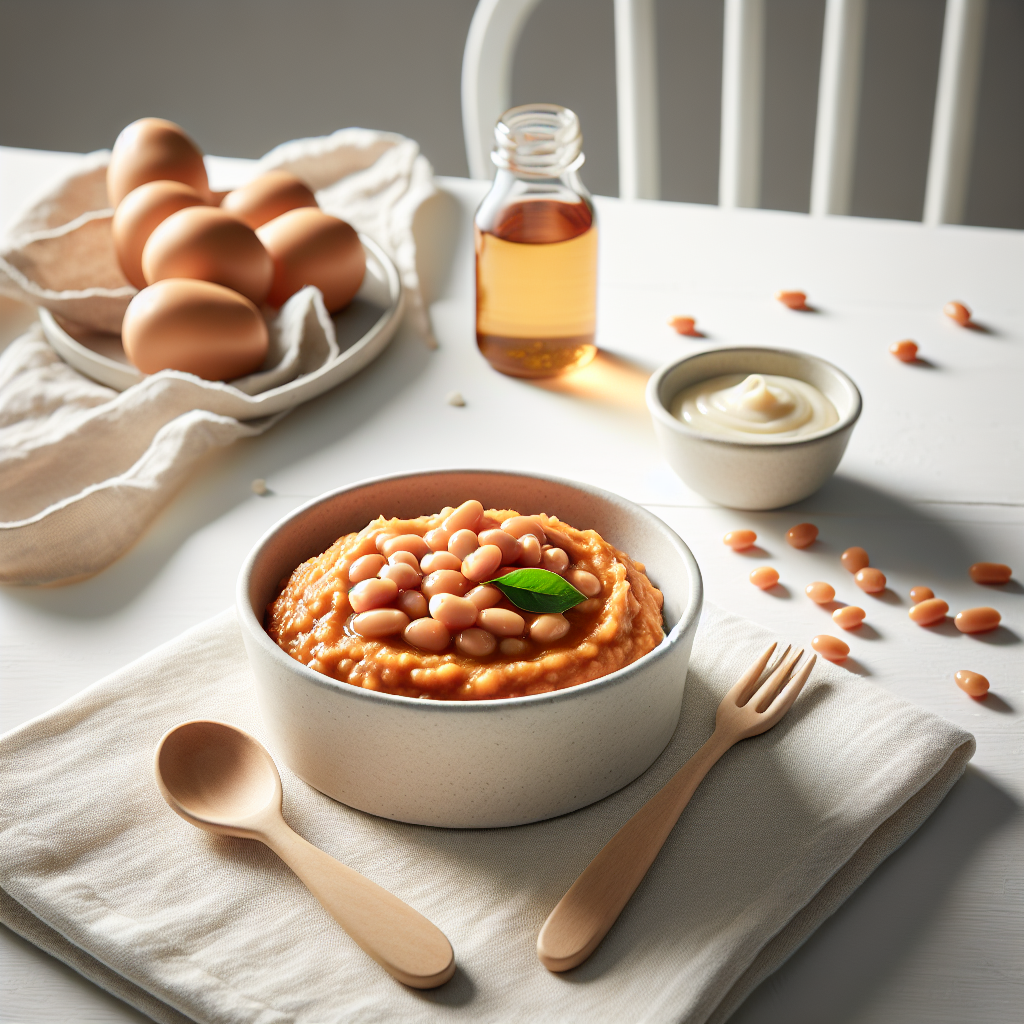
Edamame purée may be introduced as soon as your baby is ready to start solids, which is generally around 6 months of age. Edamame are young soya beans, so they contain soy, a common allergen that should be introduced early and often, following guidance on allergen introduction. As with all legumes, ensure the edamame are fully cooked and well puréed or mashed to suit your baby's developmental stage.
Is Edamame puree healthy for babies?
Edamame purée is an excellent source of plant-based protein and iron, both of which are essential for your baby's growth and development. It also provides folate, fibre, and healthy fats, supporting digestive health and energy. The iron in edamame is particularly valuable for babies around 6 months, when iron stores from birth begin to decline.
Lower-risk serving reminders
Edamame purée has a low choking risk because the beans are blended into a smooth or mashed consistency that is easy for young babies to manage. The smooth texture means there are no firm pieces that could obstruct the airway, making it a safe option when properly prepared.
Allergen information
Soy is one of the top allergens and edamame are soya beans, so this purée contains soy. Introduce edamame in small amounts at first and watch for signs of a reaction, such as hives, vomiting, or difficulty breathing, though most babies tolerate soy without issue.
Soy
General feeding checklist
Seat baby upright and stable for all meals.
Model slow chewing and allow baby to control pace.
Stop and reset if baby is upset, tired, or over-stuffed.
Readiness signs to check
Baby can sit upright with minimal support during meals.
Hands and mouth coordinate for bringing food to the mouth.
Tongue-thrust reflex is reduced, so food is not immediately pushed out.
Interest in self-feeding and opening mouth for food cues is visible.
Pause and seek advice if
Coughing is persistent or distress does not settle quickly during meals.
You notice repeated vomiting, rash, swelling, wheeze, or breathing changes after a food.
Baby struggles with swallowing progression over multiple meals despite texture adjustments.
There is a known medical condition affecting feeding, growth, or airway safety.
Purée cooked edamame until completely smooth, thinning with breast milk, formula, water, or a little olive oil to achieve a soft, spoonable consistency. You can serve the purée on a preloaded spoon for your baby to grasp, or spread it thinly on a piece of toast or rice cake for them to self-feed. Remove any loose skins before blending to ensure a silky texture.
9–11 months
Continue offering edamame purée as a dip or spread, or mash cooked edamame with a fork for a chunkier texture that encourages emerging chewing skills. You can also mix the purée into other foods like mashed potato or porridge, or spread it on soft finger foods such as toast strips or cooked pasta shapes. If your baby is managing well, you may begin to leave slightly larger pieces in the mash.
12–24 months
Edamame purée can still be served as a dip or spread, but toddlers at this stage may also enjoy whole cooked edamame beans that are very soft and flattened. You can offer the purée alongside other family foods, or stir it into grains, noodles, or soups for added protein and iron. This is a good age to involve your child in scooping and dipping, which builds fine motor skills.
Common questions about Edamame puree
Do I need to remove the skins from edamame before making purée?
It's helpful to remove loose skins after cooking, as they can be tough and harder to purée smoothly, though well-blended purée with skins is generally safe for babies.
Can I use frozen edamame to make purée?
Yes, frozen edamame work very well for purée and are convenient, nutritious, and often more affordable than fresh. Simply cook according to package instructions, then blend.
How do I make edamame purée less thick?
Thin edamame purée with breast milk, formula, or a small amount of water or olive oil until you reach a consistency that's appropriate for your baby's age and eating skills.