Baby-led weaning · age-specific guide
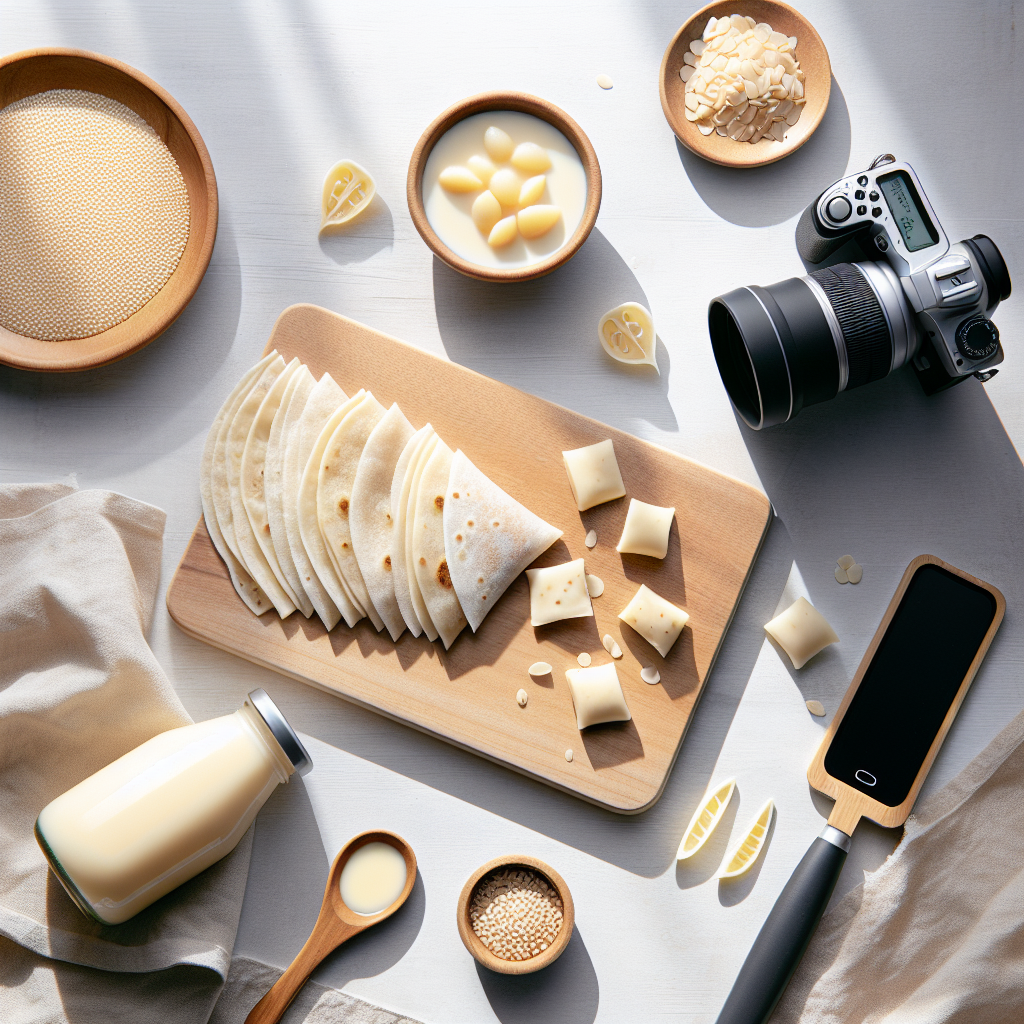
Dosa soft piece for 9–11 months
Dosa can be introduced as soon as your baby is ready to start solid foods, which is typically around 6 months of age. Soft pieces of dosa are well-suited for baby-led weaning when prepared with minimal oil and served in manageable strips that your baby can grasp and chew. Because dosa is traditionally made from fermented rice and lentils, it offers a soft, pliable texture that is generally safe for early eaters.
How to serve at 9–11 months
Continue offering soft dosa strips, or tear the dosa into smaller bite-sized pieces as your baby develops their pincer grasp. You can also roll dosa around soft fillings like mashed potato or cooked vegetables to create easy-to-hold wraps. Encourage self-feeding by placing pieces on your baby's tray or offering a pre-loaded spoon with dosa and accompaniments.
Nutrition highlights
Dosa made from fermented rice and lentils provides carbohydrates for energy and some plant-based protein to support growth. The fermentation process may improve digestibility and nutrient absorption. While dosa is not particularly high in iron or other key nutrients, it can be served alongside iron-rich foods like lentils, beans, or cooked greens to create a balanced meal.
Lower-risk serving reminders
Soft dosa pieces have a low choking risk because they are thin, flexible, and easy to chew or gum apart. The fermented batter creates a tender texture that breaks down readily in your baby's mouth, making it manageable even for beginners.
Allergen introduction checklist
Traditional dosa is made from rice and lentils and is not a common allergen. If your dosa recipe includes other ingredients such as wheat flour, dairy, or eggs, introduce those potential allergens according to current guidance and watch for signs of a reaction.
Common questions
Can I give my 6-month-old shop-bought dosa?
Yes, as long as the dosa is soft and made with minimal salt and oil. Check the ingredients to ensure there are no added allergens or excessive sodium, and avoid crispy or overly fried varieties for young babies.
What should I serve with dosa for my baby?
Dosa pairs well with soft cooked lentils, mashed vegetables, yoghurt, or a mild coconut chutney. These additions can add flavour, moisture, and important nutrients like iron and healthy fats.
How do I keep dosa soft for baby-led weaning?
Cook dosa using minimal oil and remove it from the pan while it is still soft and pliable rather than crispy. You can also wrap the cooked dosa in a clean tea towel to keep it moist until serving.
General feeding checklist
- Seat baby upright and stable for all meals.
- Model slow chewing and allow baby to control pace.
- Stop and reset if baby is upset, tired, or over-stuffed.
Readiness signs to check
- Baby can sit upright with minimal support during meals.
- Hands and mouth coordinate for bringing food to the mouth.
- Tongue-thrust reflex is reduced, so food is not immediately pushed out.
- Interest in self-feeding and opening mouth for food cues is visible.
Pause and seek advice if
- Coughing is persistent or distress does not settle quickly during meals.
- You notice repeated vomiting, rash, swelling, wheeze, or breathing changes after a food.
- Baby struggles with swallowing progression over multiple meals despite texture adjustments.
- There is a known medical condition affecting feeding, growth, or airway safety.
Other ages: 6–8 months · 12–24 months