Baby-led weaning · age-specific guide
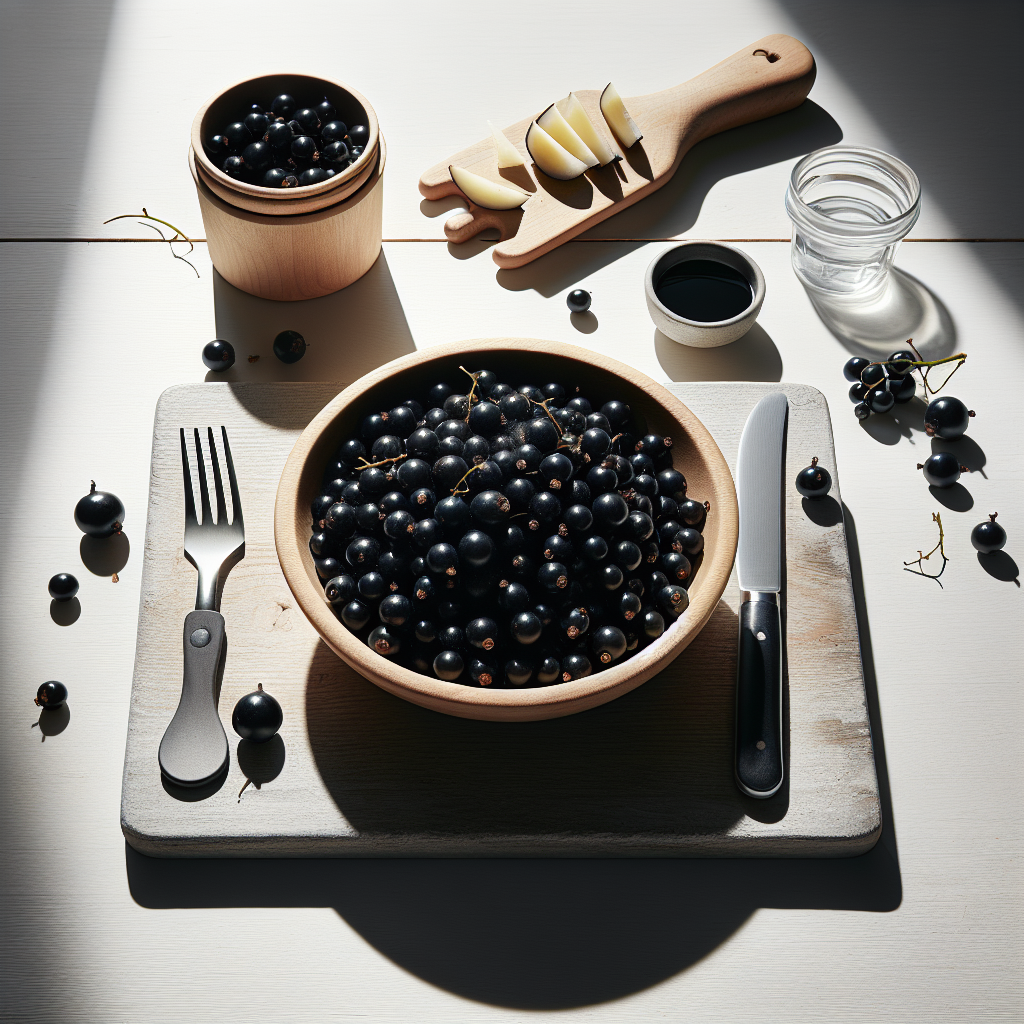
Currant black cooked for 9–11 months
Cooked blackcurrants may be introduced as soon as your baby is ready to start solids, which is generally around 6 months of age. Cooking softens the berries and breaks down their naturally firm skins, making them safer and easier for new eaters to manage. Always ensure the currants are very soft and served in an age-appropriate size to support safe eating.
How to serve at 9–11 months
Continue to cook blackcurrants until very soft, then flatten or lightly mash them to reduce choking risk. At this age, you can offer them as a topping on pancakes, stirred into yoghurt, or mixed into oatmeal. If your baby is developing a pincer grasp, you may serve small, flattened pieces on their tray for practice picking up soft foods.
Nutrition highlights
Cooked blackcurrants are exceptionally rich in vitamin C, which supports immune function and helps your baby absorb iron from plant-based foods. They also provide antioxidants called anthocyanins, which contribute to overall health and development. While not high in iron or protein, blackcurrants offer dietary fibre to support healthy digestion.
Lower-risk serving reminders
Cooked blackcurrants present a low choking risk because the cooking process softens both the flesh and the skins, making them easy to mash between the gums. Their small size becomes safer when they are flattened or mashed, reducing the risk of them becoming lodged in the airway.
Allergen introduction checklist
Blackcurrants are not a common allergen and reactions are rare. As with any new food, introduce cooked blackcurrants on their own and watch for signs of a reaction, such as rash, hives, or changes in behaviour or bowel movements.
Common questions
Do I need to remove the skins from cooked blackcurrants?
Cooking softens the skins considerably, so they typically do not need to be removed. If the skins still seem tough after cooking, you can mash or purée the currants to break them down further.
Can I serve blackcurrants raw or do they need to be cooked?
Raw blackcurrants have firm skins and a tart flavour that many babies find challenging. Cooking makes them softer, sweeter, and safer for early eaters.
How do I cook blackcurrants for baby-led weaning?
Gently simmer blackcurrants with a small amount of water until very soft, usually 5 to 10 minutes. You can sweeten them naturally with mashed banana or apple if desired, avoiding added sugar.
General feeding checklist
- Seat baby upright and stable for all meals.
- Model slow chewing and allow baby to control pace.
- Stop and reset if baby is upset, tired, or over-stuffed.
Readiness signs to check
- Baby can sit upright with minimal support during meals.
- Hands and mouth coordinate for bringing food to the mouth.
- Tongue-thrust reflex is reduced, so food is not immediately pushed out.
- Interest in self-feeding and opening mouth for food cues is visible.
Pause and seek advice if
- Coughing is persistent or distress does not settle quickly during meals.
- You notice repeated vomiting, rash, swelling, wheeze, or breathing changes after a food.
- Baby struggles with swallowing progression over multiple meals despite texture adjustments.
- There is a known medical condition affecting feeding, growth, or airway safety.
Other ages: 6–8 months · 12–24 months