Baby-led weaning · age-specific guide
Cucumber for 6–8 months
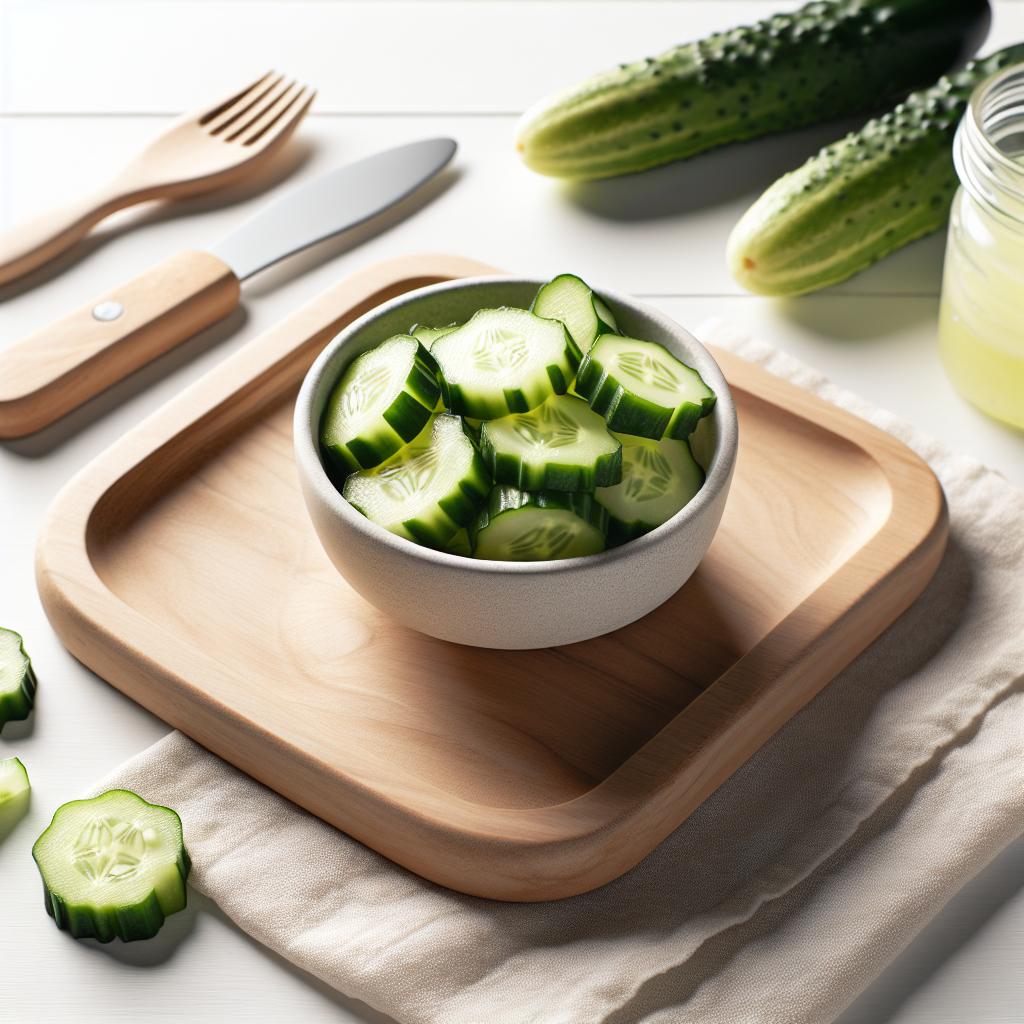
Cucumber may be introduced as soon as your baby is ready to start solid foods, which is generally around 6 months of age. Because raw cucumber is firm and can pose a choking risk, it should be cooked until very soft for younger babies or served in a safe format such as thick, wide strips with the skin on for grip. As your baby develops stronger chewing skills, you can gradually offer cucumber in forms closer to its raw state.
How to serve at 6–8 months
Steam or roast cucumber until it is very soft and mashable between your fingers. Cut the cucumber into finger-length strips about the width of two adult fingers, or serve large wedges with the skin on to give your baby something to grip. The soft texture allows babies to gum and explore safely as they develop their oral motor skills.
Nutrition highlights
Cucumber is very high in water content, making it hydrating and refreshing for babies, particularly in warm weather. It contains small amounts of vitamin K, which supports bone health and blood clotting, as well as fibre to aid digestion. Whilst cucumber is not nutrient-dense compared to other vegetables, it offers a mild flavour and interesting texture that can encourage babies to explore new foods.
Lower-risk serving reminders
Cucumber has a low choking risk when prepared appropriately for your baby's age and stage. Cooked cucumber becomes soft and easy to gum, whilst raw cucumber can be made safer by cutting it into large, manageable pieces that are difficult for a baby to bite off into small chunks.
Allergen introduction checklist
Cucumber is not a common allergen and allergic reactions to cucumber are rare. However, some individuals with oral allergy syndrome related to ragweed pollen may experience mild itching or tingling in the mouth after eating raw cucumber.
Common questions
Does cucumber need to be cooked for baby-led weaning?
For babies aged 6 to 8 months, cucumber should be steamed or roasted until very soft to reduce choking risk. From around 9 months, you may offer raw cucumber in thick, wide strips with the skin on, as long as your baby has developed appropriate chewing skills.
Should I remove the skin from cucumber for my baby?
The skin can be left on, as it provides grip for younger babies learning to hold slippery foods and contains additional fibre. Simply wash the cucumber thoroughly before serving.
Can I give my baby cucumber as a teether?
Chilled cucumber sticks can be soothing for teething babies, but only offer raw cucumber once your baby has developed the chewing skills to manage it safely, typically after 9 months. Always supervise closely and ensure the pieces are large enough that your baby cannot bite off small chunks.
General feeding checklist
- Seat baby upright and stable for all meals.
- Model slow chewing and allow baby to control pace.
- Stop and reset if baby is upset, tired, or over-stuffed.
Readiness signs to check
- Baby can sit upright with minimal support during meals.
- Hands and mouth coordinate for bringing food to the mouth.
- Tongue-thrust reflex is reduced, so food is not immediately pushed out.
- Interest in self-feeding and opening mouth for food cues is visible.
Pause and seek advice if
- Coughing is persistent or distress does not settle quickly during meals.
- You notice repeated vomiting, rash, swelling, wheeze, or breathing changes after a food.
- Baby struggles with swallowing progression over multiple meals despite texture adjustments.
- There is a known medical condition affecting feeding, growth, or airway safety.
Other ages: 9–11 months · 12–24 months