Baby-led weaning · age-specific guide
Congee rice for 6–8 months
Congee rice can be offered to babies from around 6 months of age, as soon as they are ready to start solid foods. This soft, porridge-like dish is gentle on developing digestive systems and its smooth, creamy texture makes it an accessible first food. As with all new foods, introduce congee when your baby is healthy and watch for any unusual reactions.
How to serve at 6–8 months
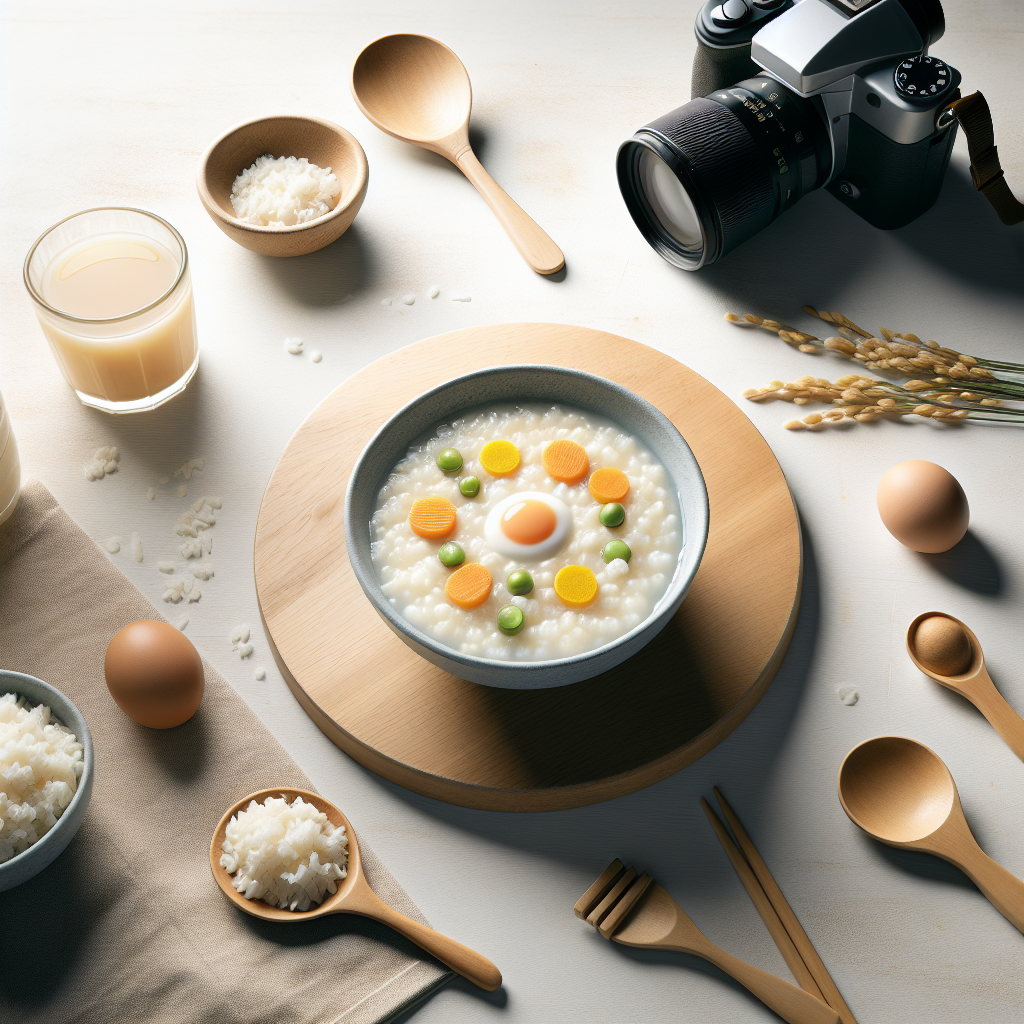
Cook rice with plenty of water or unsalted stock until it breaks down into a smooth, porridge-like consistency. The texture should be soft and slightly runny, similar to a thin yoghurt. If the congee is too loose, you can mix in a small amount of breast milk, formula, or plain yoghurt to help it bind together on a spoon, making it easier for baby to scoop or bring to their mouth. Serve in a bowl for self-feeding or offer on a pre-loaded spoon.
Nutrition highlights
Congee rice provides carbohydrates for energy, which helps fuel babies' rapid growth and development. It is easily digestible and can be a good source of B vitamins, depending on the type of rice used. While congee is not particularly rich in iron or protein on its own, it serves as an excellent base for nutrient-dense toppings like cooked vegetables, beans, eggs, or well-cooked meat.
Lower-risk serving reminders
Congee rice has a low choking risk because it is cooked for an extended time until the grains break down into a soft, porridge-like consistency. The texture is naturally smooth and easy to swallow, especially when prepared with enough liquid to keep it loose and creamy.
Allergen introduction checklist
Rice is not considered a common allergen and congee is generally well tolerated by most babies. While rice allergies are rare, it is still possible for babies to have a reaction, so watch for signs such as hives, vomiting, or unusual fussiness after introducing this food.
Common questions
Can I serve congee cold to my baby?
Yes, congee can be served at room temperature or slightly warm, whichever your baby prefers. Cold congee tends to thicken, so you may need to stir in a bit of water, breast milk, or formula to loosen the texture.
What can I add to congee to boost nutrition?
You can stir in cooked vegetables, mashed beans, shredded chicken, flaked fish, or a soft-cooked egg to add protein, iron, and other nutrients. Start with simple additions and introduce new ingredients one at a time.
How long does congee keep in the fridge?
Cooked congee can be stored in an airtight container in the fridge for up to 3 days. Reheat thoroughly and add liquid if needed, as it will thicken when chilled.
General feeding checklist
- Seat baby upright and stable for all meals.
- Model slow chewing and allow baby to control pace.
- Stop and reset if baby is upset, tired, or over-stuffed.
Readiness signs to check
- Baby can sit upright with minimal support during meals.
- Hands and mouth coordinate for bringing food to the mouth.
- Tongue-thrust reflex is reduced, so food is not immediately pushed out.
- Interest in self-feeding and opening mouth for food cues is visible.
Pause and seek advice if
- Coughing is persistent or distress does not settle quickly during meals.
- You notice repeated vomiting, rash, swelling, wheeze, or breathing changes after a food.
- Baby struggles with swallowing progression over multiple meals despite texture adjustments.
- There is a known medical condition affecting feeding, growth, or airway safety.
Other ages: 9–11 months · 12–24 months