Baby-led weaning · age-specific guide
Chia pudding for 12–24 months
Chia pudding can be introduced as soon as your baby is ready to start solids, which is typically around 6 months of age. Chia seeds must be soaked in liquid until they form a gel-like pudding consistency, as dry chia seeds can pose a choking risk and are difficult for babies to manage. Always prepare chia pudding with enough liquid to create a smooth, spoonable texture.
How to serve at 12–24 months
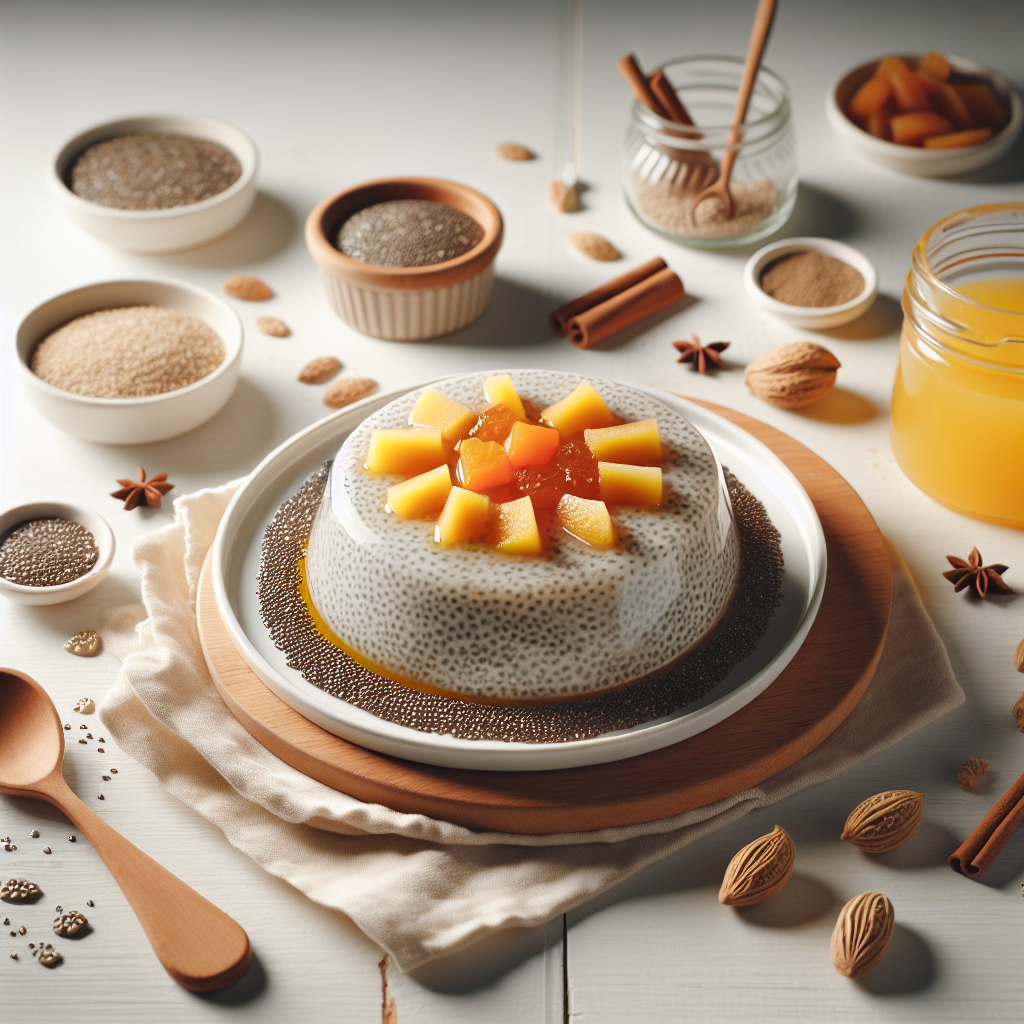
At this age, your toddler can enjoy chia pudding in a bowl with a spoon, practising self-feeding with utensils. You can add a variety of toppings such as fresh berries, nut or seed butters, or chopped soft fruit to make it more interesting. Chia pudding also works well layered with yoghurt or porridge for a nutritious breakfast or snack.
Nutrition highlights
Chia seeds are an excellent source of plant-based omega-3 fatty acids, which support brain and eye development in babies. They also provide iron, an essential nutrient for healthy growth and cognitive development, as well as fibre, calcium, and magnesium. The combination of healthy fats and iron makes chia pudding a nutrient-dense option for growing babies.
Lower-risk serving reminders
Chia pudding has a low choking risk when properly prepared with sufficient liquid to create a soft, gel-like consistency. The hydrated seeds are small, soft, and easy for babies to swallow, making them a safe texture for early eaters.
Allergen introduction checklist
Chia seeds are not a common allergen and are generally well tolerated by babies. While allergic reactions to chia are rare, introduce chia pudding as you would any new food and watch for signs of an allergic reaction such as hives, swelling, or digestive upset.
Common questions
Do I need to grind chia seeds for my baby?
No, you do not need to grind chia seeds as long as they are properly soaked in liquid until they form a gel-like pudding. The whole soaked seeds are soft and safe for babies to eat.
How long should I soak chia seeds to make chia pudding for my baby?
Soak chia seeds in liquid for at least 15 to 20 minutes, though overnight soaking creates the best consistency. The pudding should be thick, smooth, and gel-like with no dry or crunchy seeds remaining.
Can I use water to make chia pudding for my baby?
While you can use water, breast milk, formula, or whole milk yoghurt are better choices as they add extra nutrition and a more appealing flavour for babies. Plant-based milks can also be used if they are fortified and age-appropriate.
General feeding checklist
- Seat baby upright and stable for all meals.
- Model slow chewing and allow baby to control pace.
- Stop and reset if baby is upset, tired, or over-stuffed.
Readiness signs to check
- Baby can sit upright with minimal support during meals.
- Hands and mouth coordinate for bringing food to the mouth.
- Tongue-thrust reflex is reduced, so food is not immediately pushed out.
- Interest in self-feeding and opening mouth for food cues is visible.
Pause and seek advice if
- Coughing is persistent or distress does not settle quickly during meals.
- You notice repeated vomiting, rash, swelling, wheeze, or breathing changes after a food.
- Baby struggles with swallowing progression over multiple meals despite texture adjustments.
- There is a known medical condition affecting feeding, growth, or airway safety.
Other ages: 6–8 months · 9–11 months