Baby-led weaning · age-specific guide
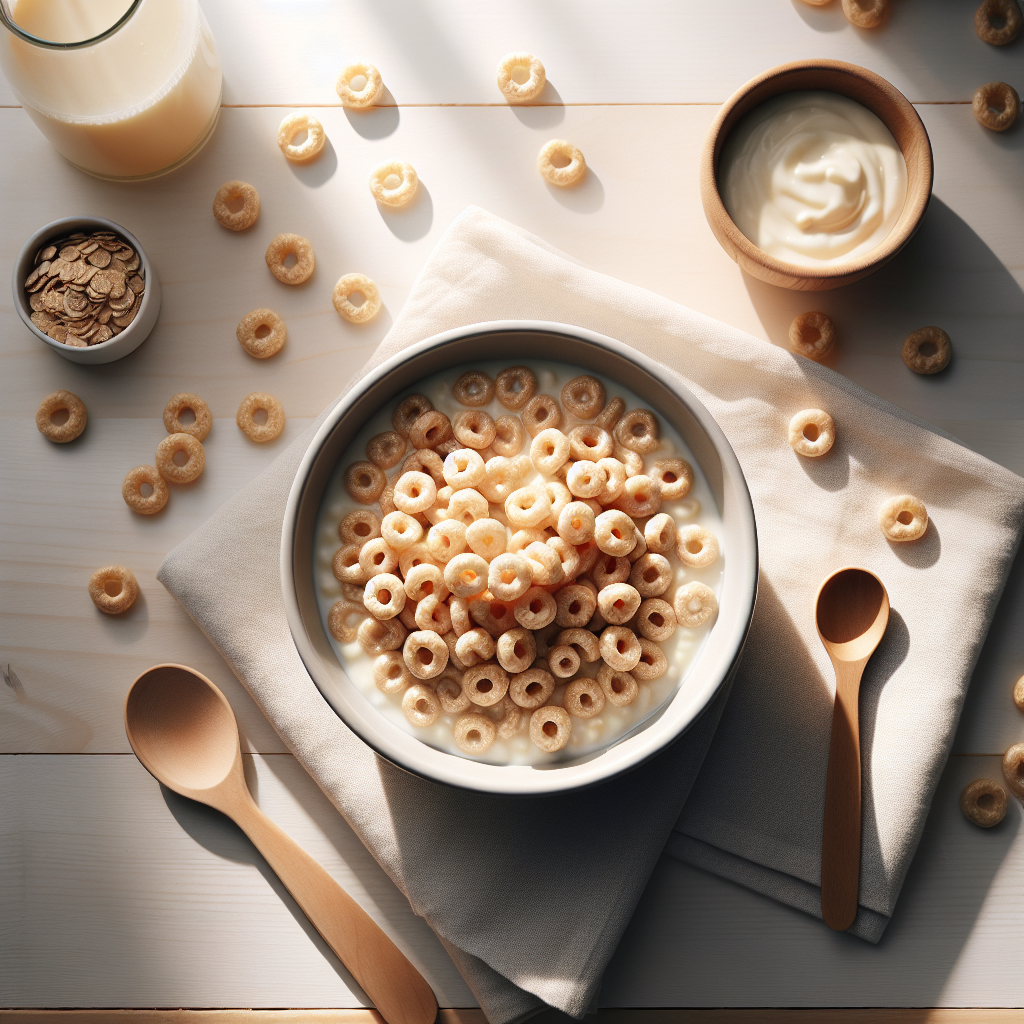
Cheerio softened for 9–11 months
Softened cheerios can be introduced from around 6 months of age, once your baby is showing signs of readiness for solid foods. Because cheerios are dry and firm in their original form, they must be softened with liquid to make them safe for babies who are just learning to eat. Always ensure the cheerios are thoroughly soft and not crunchy before offering them to young babies.
How to serve at 9–11 months
Continue to soften cheerios thoroughly in milk or yogurt until they are no longer crunchy. At this age, babies may enjoy practising their pincer grasp by picking up individual softened cheerios from a bowl or tray. You can also mix them into porridge or mashed fruit for added texture and variety.
Nutrition highlights
Cheerios provide carbohydrates for energy and may contain added vitamins and minerals such as iron, zinc, and B vitamins, depending on the variety. However, they are generally low in protein and often contain added sugar, so they work best as an occasional finger food rather than a staple. Whole grain varieties offer more fibre, which supports healthy digestion.
Lower-risk serving reminders
When properly softened, cheerios dissolve easily in the mouth and break down quickly with saliva, which reduces choking risk. Their small size and soft texture allow babies to manage them safely, though always supervise your baby during mealtimes.
Allergen information
Cheerios contain wheat, which is a common allergen and a source of gluten. When introducing cheerios for the first time, offer them on their own so you can monitor for any signs of an allergic reaction, such as hives, vomiting, or difficulty breathing.
Wheat / gluten
Common questions
How long do I need to soften cheerios for my baby?
Soak cheerios in breast milk, formula, or yogurt for at least 5 to 10 minutes until they are completely soft and not crunchy. You can test one yourself to make sure it dissolves easily.
Can I give my baby dry cheerios?
No, dry cheerios pose a choking risk for babies under 12 months and should always be softened first. Even for toddlers, dry cheerios should only be offered once your child has mastered chewing and you feel confident in their eating skills.
Are cheerios a healthy choice for baby-led weaning?
Softened cheerios can be a convenient finger food, but they are often low in protein and may contain added sugar. Offer them occasionally alongside nutrient-dense foods like fruits, vegetables, and proteins.
General feeding checklist
- Seat baby upright and stable for all meals.
- Model slow chewing and allow baby to control pace.
- Stop and reset if baby is upset, tired, or over-stuffed.
Readiness signs to check
- Baby can sit upright with minimal support during meals.
- Hands and mouth coordinate for bringing food to the mouth.
- Tongue-thrust reflex is reduced, so food is not immediately pushed out.
- Interest in self-feeding and opening mouth for food cues is visible.
Pause and seek advice if
- Coughing is persistent or distress does not settle quickly during meals.
- You notice repeated vomiting, rash, swelling, wheeze, or breathing changes after a food.
- Baby struggles with swallowing progression over multiple meals despite texture adjustments.
- There is a known medical condition affecting feeding, growth, or airway safety.
Other ages: 6–8 months · 12–24 months