Baby-led weaning · age-specific guide
Cashew butter thin spread for 6–8 months
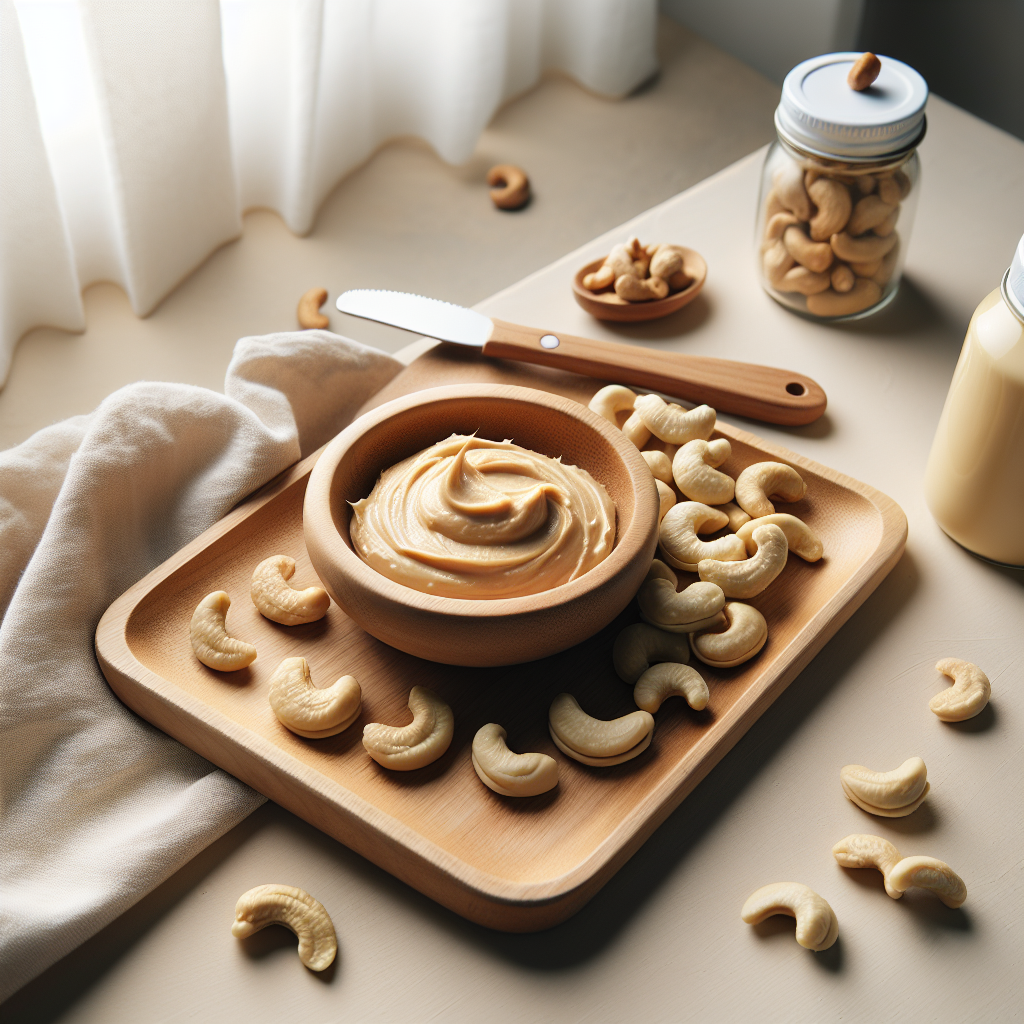
Cashew butter thin spread may be introduced as soon as your baby is ready to start solid foods, which is typically around 6 months of age. Because cashew is a common allergen, it's important to introduce it carefully and watch for signs of an allergic reaction. Always spread cashew butter very thinly on toast or other foods, as thick globs of nut butter pose a choking risk.
How to serve at 6–8 months
Spread a very thin layer of cashew butter on a strip of lightly toasted bread, about the size of two adult fingers placed together, so your baby can hold it easily. The toast should be soft enough for gums to mash but firm enough to hold its shape. You can also mix a small amount of cashew butter into porridge or yoghurt to introduce the flavour without the texture challenge.
Nutrition highlights
Cashew butter provides healthy fats that support brain development and help babies absorb fat-soluble vitamins. It also contains small amounts of minerals like magnesium, zinc, and copper, which contribute to growth and immune function. The protein and fat in cashew butter help keep babies satisfied between meals and provide sustained energy.
Lower-risk serving reminders
When spread thinly on appropriate foods like toast or crackers, cashew butter presents a low choking risk because it's soft and easily mashed. The key is ensuring it's never served in thick amounts or by the spoonful, as this can stick to the roof of the mouth and be difficult for babies to manage safely.
Allergen information
Cashew is a tree nut and one of the top allergens, so this food should be introduced carefully and in small amounts at first. Watch for signs of an allergic reaction including hives, swelling, vomiting, or difficulty breathing, and consult your healthcare provider if you have concerns about food allergies.
Milk (dairy) · Tree nuts
Common questions
How thinly should I spread cashew butter for my baby?
Spread cashew butter as thinly as possible, ideally in a thin smear that's almost translucent. You can also mix it with mashed banana, yoghurt, or baby's usual porridge to thin it out further and make it easier to manage.
Can I give my baby cashew butter if it contains added salt or sugar?
Choose unsalted, unsweetened cashew butter when possible, as babies don't need added salt or sugar. If only salted versions are available, spread it very thinly to limit sodium intake.
What should I serve cashew butter on for baby-led weaning?
Spread cashew butter thinly on lightly toasted bread strips, rice cakes, or crackers suitable for babies. You can also stir it into porridge, yoghurt, or mix it with mashed fruit for variety.
General feeding checklist
- Seat baby upright and stable for all meals.
- Model slow chewing and allow baby to control pace.
- Stop and reset if baby is upset, tired, or over-stuffed.
Readiness signs to check
- Baby can sit upright with minimal support during meals.
- Hands and mouth coordinate for bringing food to the mouth.
- Tongue-thrust reflex is reduced, so food is not immediately pushed out.
- Interest in self-feeding and opening mouth for food cues is visible.
Pause and seek advice if
- Coughing is persistent or distress does not settle quickly during meals.
- You notice repeated vomiting, rash, swelling, wheeze, or breathing changes after a food.
- Baby struggles with swallowing progression over multiple meals despite texture adjustments.
- There is a known medical condition affecting feeding, growth, or airway safety.
Other ages: 9–11 months · 12–24 months