Baby-led weaning · age-specific guide
Carob powder trace for 6–8 months
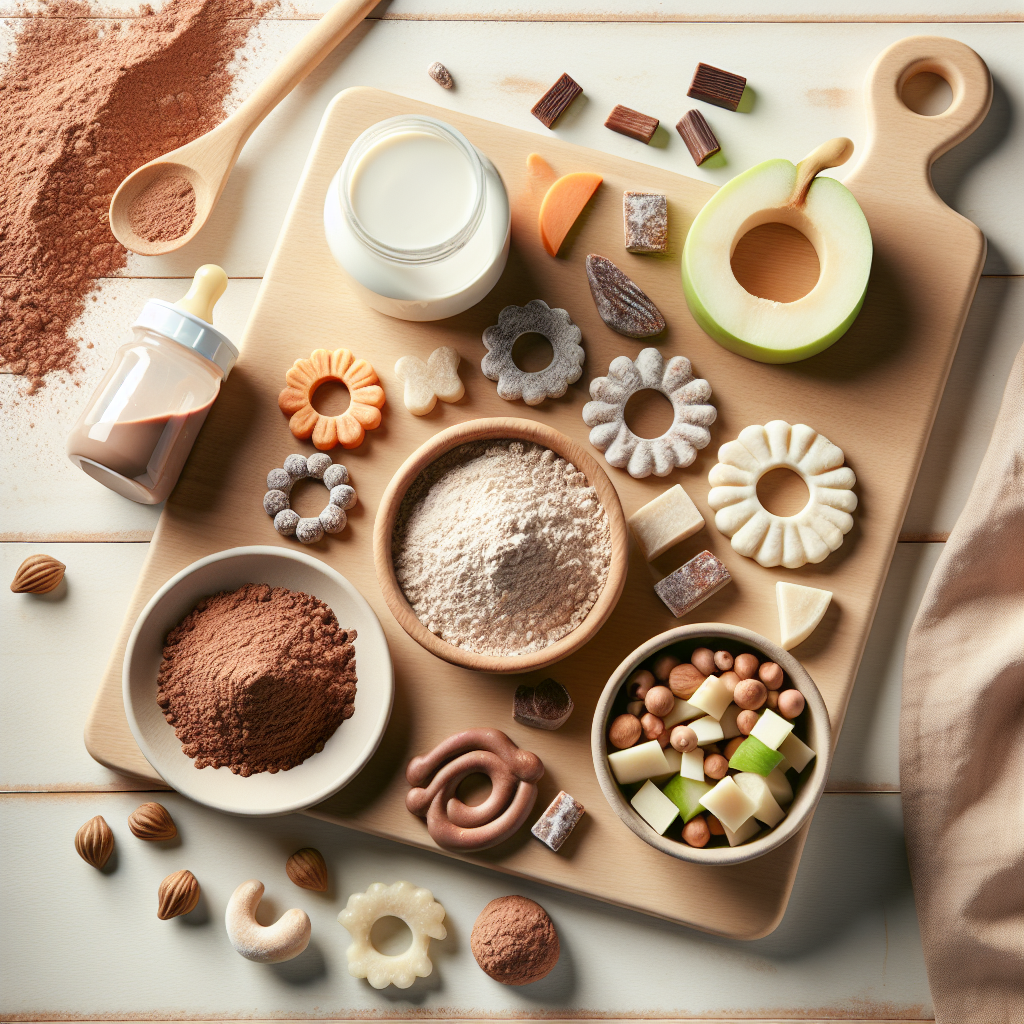
Carob powder can be introduced from 6 months of age, as soon as your baby is ready to start solid foods. Because carob powder is typically used in trace amounts as a flavouring or ingredient in recipes rather than served on its own, it poses minimal risk when mixed into appropriate foods for your baby's age and stage. Always ensure carob powder is fully incorporated into moist foods like porridge, yoghurt, or baked goods to prevent any risk of inhalation.
How to serve at 6–8 months
Mix a quarter teaspoon of carob powder into smooth, creamy foods like plain yoghurt, mashed banana, or porridge to add a subtle flavour. Ensure the powder is fully stirred in and the mixture remains soft and easy for baby to scoop or have preloaded onto a spoon. You can also incorporate carob powder into pancake or muffin batter for soft, easily squashable finger foods.
Nutrition highlights
Carob powder contains small amounts of calcium, which supports bone and tooth development, as well as fibre that aids digestion. It also provides traces of B vitamins and antioxidants, though in the small quantities typically used for flavouring, the nutritional contribution is modest. Carob is naturally slightly sweet and caffeine-free, making it a gentle option for adding flavour to baby's foods.
Lower-risk serving reminders
Carob powder has a low choking risk when used properly because it is a fine powder that dissolves easily when mixed into wet or moist foods. The key is to never offer dry powder on its own, as any fine powder can be inhaled if not properly incorporated into food.
Allergen introduction checklist
Carob powder is not a common allergen and is generally well tolerated by babies. Because carob comes from the pods of the carob tree and is not related to cocoa or chocolate, it is often used as an alternative for those with sensitivities to chocolate.
Common questions
Can I use carob powder as a chocolate substitute for my baby
Yes, carob powder is a suitable chocolate alternative for babies as it is naturally caffeine-free and has a mild, slightly sweet flavour. Mix small amounts into yoghurt, oatmeal, or homemade muffins for gentle flavour.
How much carob powder should I add to my baby's food
Use carob powder sparingly, typically a quarter to half teaspoon mixed into a full portion of food like porridge or yoghurt. This provides subtle flavour without overwhelming your baby's developing palate.
Is carob powder safe for babies under one year
Yes, carob powder is safe for babies from 6 months when mixed into appropriate foods. It contains no caffeine and is not a common allergen, making it a gentle option for young babies.
General feeding checklist
- Seat baby upright and stable for all meals.
- Model slow chewing and allow baby to control pace.
- Stop and reset if baby is upset, tired, or over-stuffed.
Readiness signs to check
- Baby can sit upright with minimal support during meals.
- Hands and mouth coordinate for bringing food to the mouth.
- Tongue-thrust reflex is reduced, so food is not immediately pushed out.
- Interest in self-feeding and opening mouth for food cues is visible.
Pause and seek advice if
- Coughing is persistent or distress does not settle quickly during meals.
- You notice repeated vomiting, rash, swelling, wheeze, or breathing changes after a food.
- Baby struggles with swallowing progression over multiple meals despite texture adjustments.
- There is a known medical condition affecting feeding, growth, or airway safety.
Other ages: 9–11 months · 12–24 months