Baby-led weaning · age-specific guide
Broad bean mash for 9–11 months
Broad bean mash can be introduced as soon as your baby is ready to start solid foods, which is generally around 6 months of age. Broad beans, also known as fava beans, are naturally soft when cooked and easy to mash to a texture suitable for early eaters. It's helpful to remove any loose skins before serving, as these can be difficult for young babies to manage.
How to serve at 9–11 months
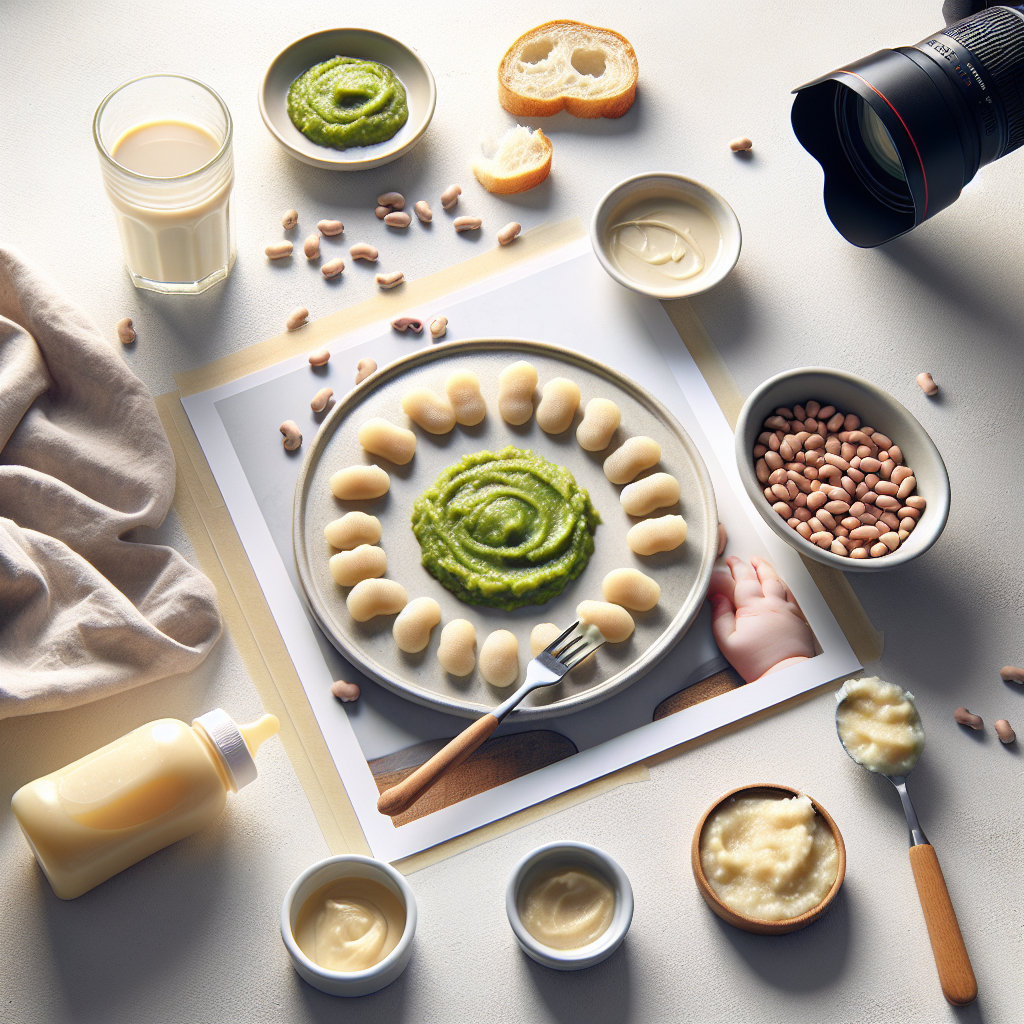
Continue to mash cooked broad beans and remove skins, but you can leave the texture slightly chunkier as your baby develops their chewing skills. You can also form the mashed beans into soft falafel-style patties or mix them into other dishes like pasta or mashed potato. If serving whole beans, ensure they are very soft and flattened individually to reduce choking risk.
Nutrition highlights
Broad beans are an excellent source of plant-based iron, which supports healthy blood development and cognitive growth in babies. They also provide good amounts of protein, fibre, and folate, making them a nutrient-dense choice for young eaters. The combination of iron and protein is particularly beneficial for babies transitioning to solid foods.
Lower-risk serving reminders
Broad bean mash has a low choking risk because the beans are cooked until very soft and then mashed or flattened, creating a smooth, manageable texture that babies can easily move around their mouths. As long as loose skins are removed and the beans are well-mashed, they pose minimal choking concern.
Allergen introduction checklist
Broad beans are not considered a common allergen in most infants. However, individuals with a rare genetic condition called G6PD deficiency can experience a serious reaction to broad beans, so if there is a family history of this condition, speak with your healthcare provider before introducing them.
Common questions
Do I need to remove the skins from broad beans for baby-led weaning?
Yes, it's best to remove any loose skins from cooked broad beans before serving to babies under 12 months, as the skins can be difficult to chew and swallow and may present a choking risk.
Can I use frozen broad beans for baby-led weaning?
Yes, frozen broad beans work very well for baby-led weaning. Simply cook them until very soft, remove the skins, and mash as you would fresh beans.
How do I make broad bean mash the right consistency for my baby?
Mash cooked broad beans with a fork until smooth, adding a small amount of breast milk, formula, or water to thin the mixture if needed. The consistency should be similar to a thick purée or hummus.
General feeding checklist
- Seat baby upright and stable for all meals.
- Model slow chewing and allow baby to control pace.
- Stop and reset if baby is upset, tired, or over-stuffed.
Readiness signs to check
- Baby can sit upright with minimal support during meals.
- Hands and mouth coordinate for bringing food to the mouth.
- Tongue-thrust reflex is reduced, so food is not immediately pushed out.
- Interest in self-feeding and opening mouth for food cues is visible.
Pause and seek advice if
- Coughing is persistent or distress does not settle quickly during meals.
- You notice repeated vomiting, rash, swelling, wheeze, or breathing changes after a food.
- Baby struggles with swallowing progression over multiple meals despite texture adjustments.
- There is a known medical condition affecting feeding, growth, or airway safety.
Other ages: 6–8 months · 12–24 months