Baby-led weaning · age-specific guide
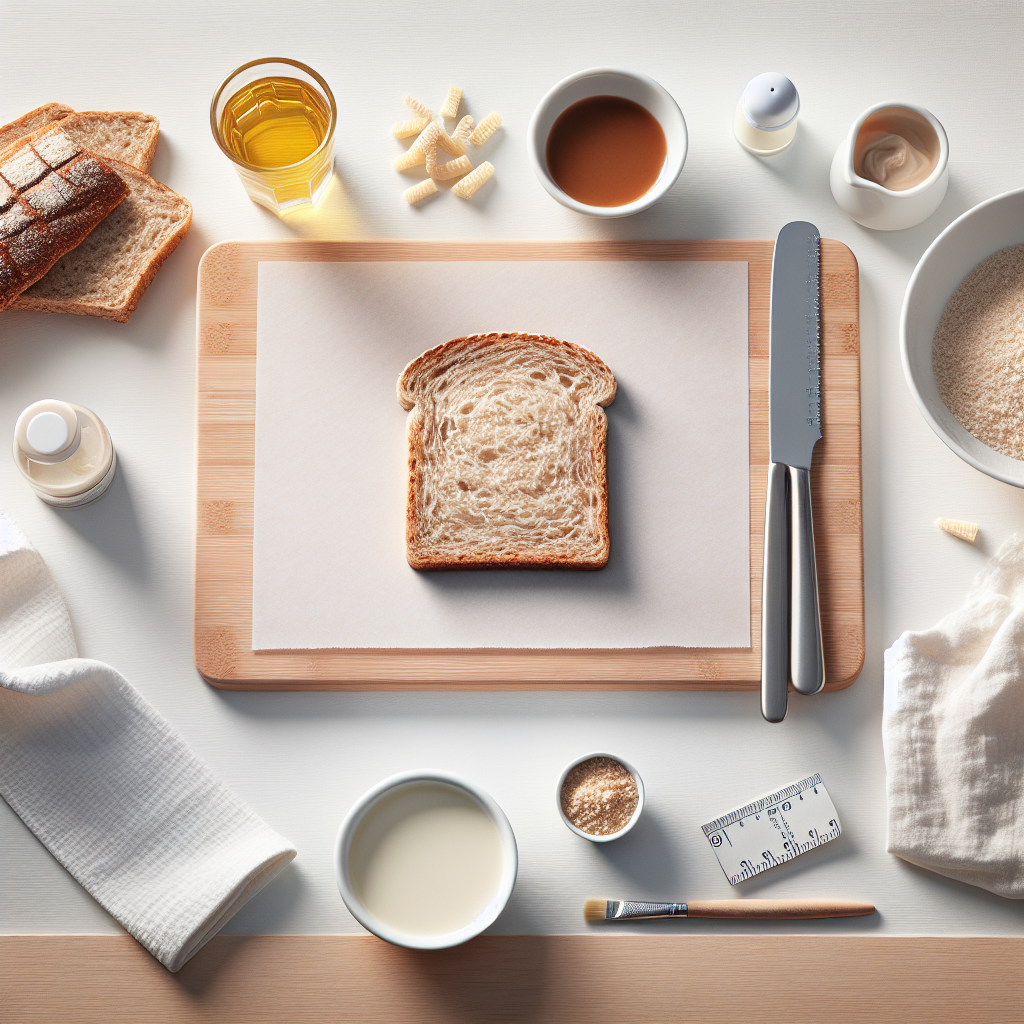
Bread wholemeal strip for 12–24 months
Wholemeal bread strips can be offered from around 6 months of age, as soon as your baby is ready to start solid foods and shows signs of readiness for baby-led weaning. Choose soft, fresh wholemeal bread and avoid varieties with added honey, salt, seeds, or nuts. Always supervise your baby closely during mealtimes and ensure they are sitting upright.
How to serve at 12–24 months
At this age, wholemeal bread can be offered in a variety of forms, including lightly toasted strips, small sandwiches cut into quarters, or torn pieces of soft bread. Your toddler can now manage slightly drier textures, so gentle toasting is fine, though very crisp toast should still be avoided. Serve wholemeal bread alongside meals or as a snack with nutritious toppings to support balanced eating.
Nutrition highlights
Wholemeal bread provides more fibre, B vitamins, and minerals than white bread, supporting healthy digestion and energy production. It offers a source of carbohydrates for fuel and some protein for growth. Wholemeal varieties also contain iron and zinc, though in smaller amounts than meat or pulses, and the fibre content helps babies become accustomed to a varied diet.
Lower-risk serving reminders
Wholemeal bread strips have a low choking risk when served soft and fresh, as they become moist and gummy when chewed or gummed. The bread breaks down easily in the mouth with saliva, though dry or toasted bread can form sticky clumps, so it's best to keep bread soft for younger babies.
Allergen information
Wheat is a common allergen and wholemeal bread contains both wheat and gluten. Introduce wheat early and often, as recommended for common allergens, and watch for signs of an allergic reaction such as hives, vomiting, or difficulty breathing.
Wheat / gluten
Common questions
Should I toast wholemeal bread for my baby?
For babies under 12 months, it's best to offer wholemeal bread soft and untoasted, as toasting can make it dry and more likely to form sticky clumps in the mouth. From 12 months, lightly toasted bread can be offered as chewing skills improve.
Can I spread something on wholemeal bread for my baby?
Yes, spreading a thin layer of nut butter, mashed avocado, hummus, or full-fat yoghurt can add nutrition and moisture, making the bread easier to chew and swallow. Avoid honey for babies under 12 months and choose spreads without added salt or sugar.
How do I cut wholemeal bread for baby-led weaning?
Cut fresh wholemeal bread into strips about the size of two adult fingers placed together, ensuring the pieces are long enough for your baby to hold with some sticking out of their fist. Remove any hard crusts for younger babies under 9 months.
General feeding checklist
- Seat baby upright and stable for all meals.
- Model slow chewing and allow baby to control pace.
- Stop and reset if baby is upset, tired, or over-stuffed.
Readiness signs to check
- Baby can sit upright with minimal support during meals.
- Hands and mouth coordinate for bringing food to the mouth.
- Tongue-thrust reflex is reduced, so food is not immediately pushed out.
- Interest in self-feeding and opening mouth for food cues is visible.
Pause and seek advice if
- Coughing is persistent or distress does not settle quickly during meals.
- You notice repeated vomiting, rash, swelling, wheeze, or breathing changes after a food.
- Baby struggles with swallowing progression over multiple meals despite texture adjustments.
- There is a known medical condition affecting feeding, growth, or airway safety.
Other ages: 6–8 months · 9–11 months