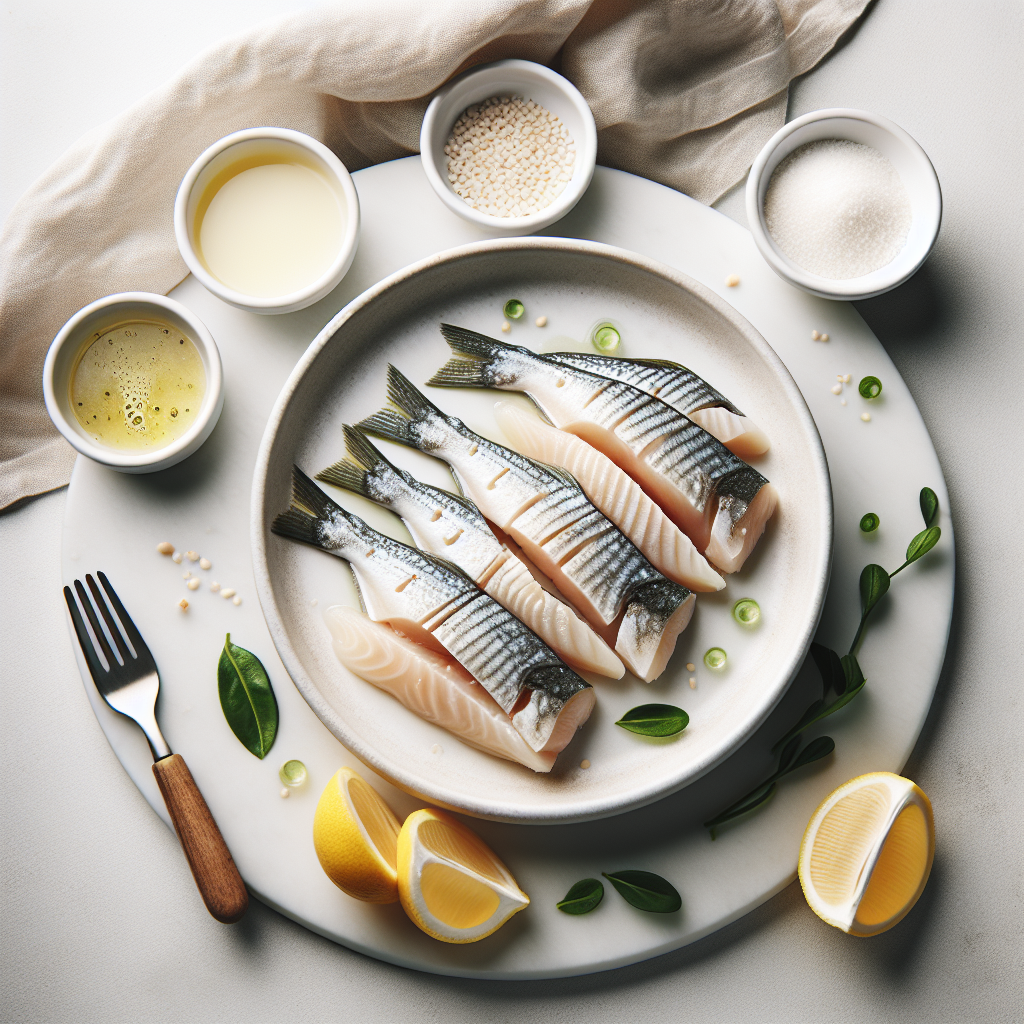
Baby-led weaning · age-specific guide
Branzino fillet for 12–24 months
Branzino fillet may be introduced as soon as your baby is ready to start solid foods, which is generally around 6 months of age. This mild, flaky white fish is an excellent choice for early eaters when prepared properly. Always ensure the fillet is fully cooked, all bones are removed, and the fish is served in an age-appropriate size and texture.
How to serve at 12–24 months
Prepare branzino as you would for the rest of the family, ensuring all bones are removed and the fish remains moist and tender. Offer small bites or short strips that your toddler can manage with utensils or fingers, keeping portions succulent by avoiding overcooking. Serve alongside familiar foods like rice, pasta, or vegetables, and consider light seasonings like lemon, herbs, or a drizzle of olive oil to enhance flavour.
Nutrition highlights
Branzino is an excellent source of high-quality protein, which supports growth and development in babies. This fish also provides essential omega-3 fatty acids, particularly DHA, which supports brain and eye development. Additionally, branzino offers important minerals including selenium and phosphorus, as well as B vitamins that help with energy metabolism.
Lower-risk serving reminders
Branzino has a low choking risk when properly prepared because it breaks apart into soft, moist flakes that are easy for babies to manage. The naturally tender texture becomes even softer with gentle cooking methods like steaming or poaching, making it suitable for early eaters.
Allergen introduction checklist
Branzino is not a common allergen, though finned fish is classified as a major allergen and can cause allergic reactions in some individuals. As with all new foods, introduce branzino on its own and watch for signs of a reaction, which may include hives, swelling, vomiting, or difficulty breathing.
Common questions
Do I need to remove the skin from branzino for my baby
Yes, remove the skin before serving to babies under 12 months as it can be tough and difficult to chew. For toddlers over 12 months, you may leave very thin, well-cooked skin on if it's soft, though most parents continue to remove it.
How can I make sure all the bones are removed from branzino
Run your fingers gently along the cooked fillet in both directions to feel for any pin bones, then remove them with clean fingers or fish tweezers. Check the entire fillet carefully, as branzino can contain small bones throughout.
What's the best way to cook branzino for baby-led weaning
Gentle steaming, poaching, or baking are ideal methods as they keep the fish moist and tender. Avoid frying or grilling until edges are crispy, as this can make the fish dry and harder for babies to manage safely.
General feeding checklist
- Seat baby upright and stable for all meals.
- Model slow chewing and allow baby to control pace.
- Stop and reset if baby is upset, tired, or over-stuffed.
Readiness signs to check
- Baby can sit upright with minimal support during meals.
- Hands and mouth coordinate for bringing food to the mouth.
- Tongue-thrust reflex is reduced, so food is not immediately pushed out.
- Interest in self-feeding and opening mouth for food cues is visible.
Pause and seek advice if
- Coughing is persistent or distress does not settle quickly during meals.
- You notice repeated vomiting, rash, swelling, wheeze, or breathing changes after a food.
- Baby struggles with swallowing progression over multiple meals despite texture adjustments.
- There is a known medical condition affecting feeding, growth, or airway safety.
Other ages: 6–8 months · 9–11 months