Baby-led weaning · age-specific guide
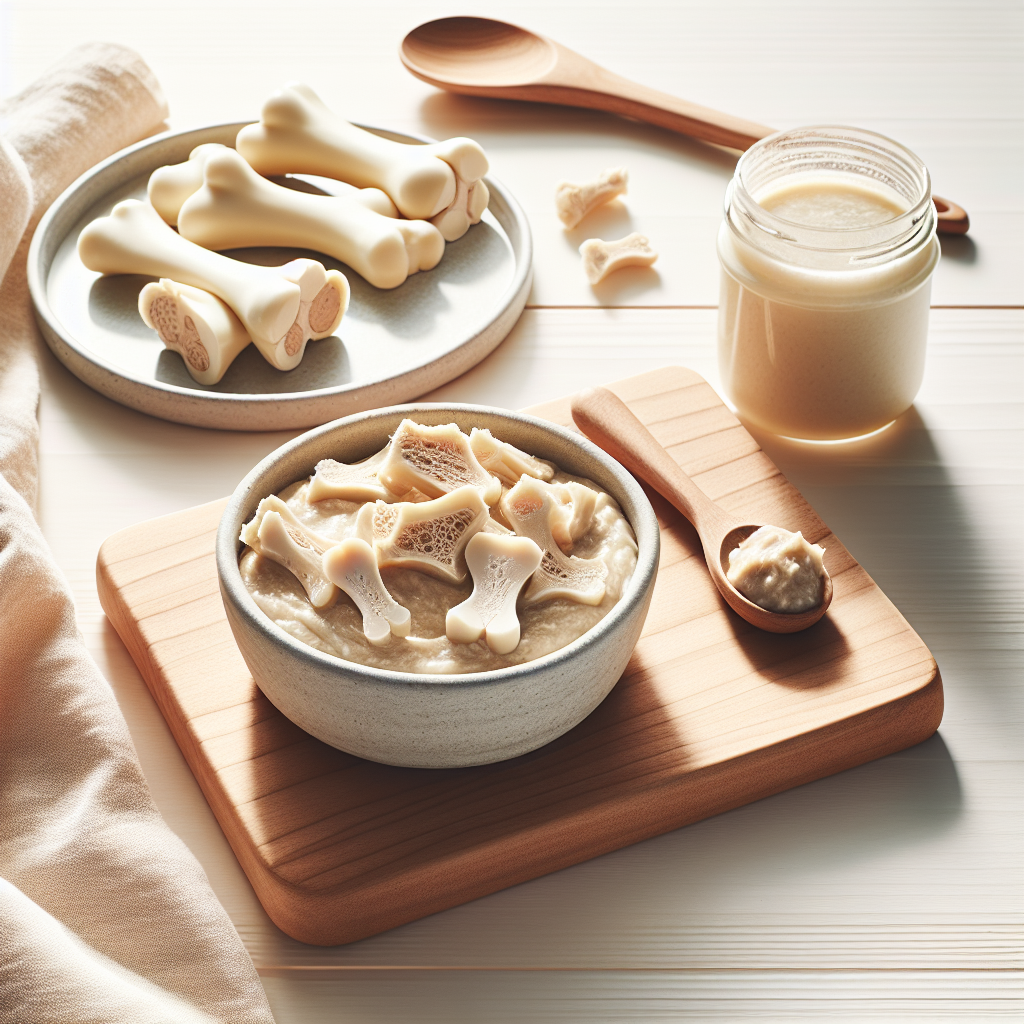
Bone marrow spread for 12–24 months
Bone marrow spread can be introduced as soon as your baby is ready to start solid foods, which is typically around 6 months of age. Because it has a soft, spreadable texture, it is well-suited to early eaters who are still developing their oral motor skills. As with all new foods, serve bone marrow spread as part of a balanced diet and watch your baby during mealtimes.
How to serve at 12–24 months
At this age, you can spread bone marrow on toast cut into smaller pieces or triangles to match your toddler's improving chewing and biting skills. It can also be mixed into rice, couscous, or mashed potatoes, or served alongside roasted vegetables. Continue to supervise mealtimes and ensure foods remain moist and easy to chew.
Nutrition highlights
Bone marrow is rich in healthy fats, including monounsaturated and saturated fats, which support brain development and provide concentrated energy for growing babies. It also contains fat-soluble vitamins such as vitamin A and vitamin K2, along with minerals like phosphorus and selenium. The high calorie content makes it a nourishing addition to meals, particularly for babies who need extra energy to support growth.
Lower-risk serving reminders
Bone marrow spread has a low choking risk because of its soft, smooth, and spreadable consistency. When thinly spread on appropriate foods, it does not form pieces that could obstruct the airway.
Allergen introduction checklist
Bone marrow is not considered a common allergen. However, some babies with severe allergies to beef may react to bone marrow, though this is uncommon.
Common questions
Can babies have bone marrow spread every day?
Bone marrow spread can be offered regularly as part of a varied diet, but it is very rich in fat and calories, so portion control is sensible. Aim for variety across the week to ensure your baby receives a range of nutrients from different foods.
How should I store bone marrow spread?
Store bone marrow spread in an airtight container in the refrigerator and use it within a few days. You can also freeze it in small portions for longer storage.
Is bone marrow spread safe for babies with a beef allergy?
If your baby has a confirmed beef allergy, avoid bone marrow spread as it comes from beef bones. Speak to your GP or dietitian if you have concerns about introducing beef products.
General feeding checklist
- Seat baby upright and stable for all meals.
- Model slow chewing and allow baby to control pace.
- Stop and reset if baby is upset, tired, or over-stuffed.
Readiness signs to check
- Baby can sit upright with minimal support during meals.
- Hands and mouth coordinate for bringing food to the mouth.
- Tongue-thrust reflex is reduced, so food is not immediately pushed out.
- Interest in self-feeding and opening mouth for food cues is visible.
Pause and seek advice if
- Coughing is persistent or distress does not settle quickly during meals.
- You notice repeated vomiting, rash, swelling, wheeze, or breathing changes after a food.
- Baby struggles with swallowing progression over multiple meals despite texture adjustments.
- There is a known medical condition affecting feeding, growth, or airway safety.
Other ages: 6–8 months · 9–11 months