Baby-led weaning · age-specific guide
Beetroot for 12–24 months
Babies can enjoy beetroot from around 6 months of age, as soon as they are ready to start solid foods. Because beetroot can be prepared to a very soft texture through steaming or roasting, it works well for babies who are just beginning to explore finger foods. Always ensure beetroot is cooked until completely tender before offering it to your baby.
How to serve at 12–24 months
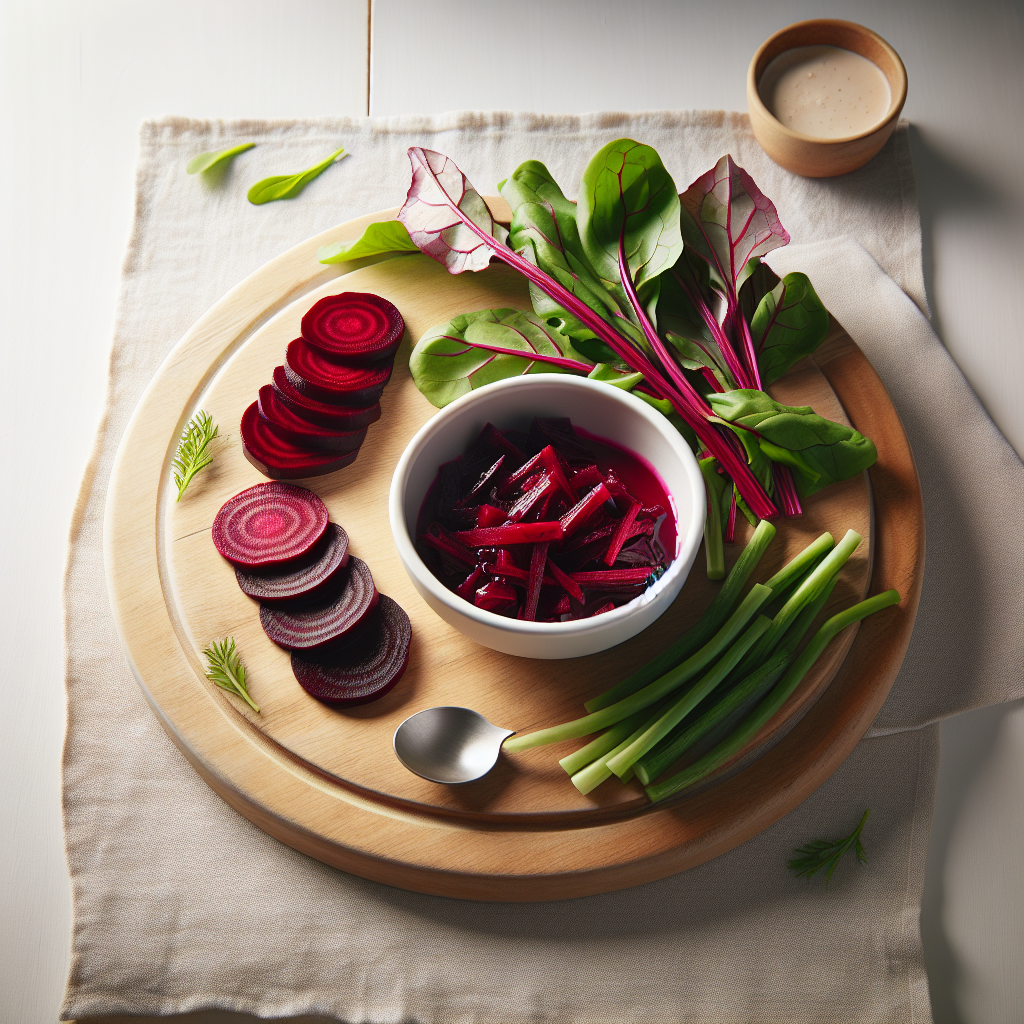
At this age, you can offer beetroot in smaller, bite-sized pieces that match your toddler's growing chewing ability, though it should still be cooked until soft. You might grate raw beetroot finely into salads or slaws for older toddlers who are managing a wider variety of textures. Continue to monitor that pieces are appropriately sized and soft enough for your child's current eating skills.
Nutrition highlights
Beetroot provides folate, which supports healthy cell growth and development, as well as potassium for heart and muscle function. It also contains fibre to support digestion and small amounts of vitamin C to help with iron absorption from other foods. The vibrant colour comes from betalains, plant compounds with antioxidant properties that support overall health.
Lower-risk serving reminders
Beetroot has a low choking risk when prepared properly because it can be cooked until very soft and breaks down easily in the mouth. Steamed or roasted beetroot mashes readily between your fingers, making it safe for babies who are still learning to chew and swallow.
Allergen introduction checklist
Beetroot is not considered a common allergen and allergic reactions to beetroot are rare. While it is safe for most babies, introduce it as you would any new food and watch for any signs of sensitivity.
Common questions
Is it normal for beetroot to turn my baby's nappy or urine pink or red?
Yes, this is completely normal and harmless. Beetroot contains pigments called betalains that can pass through the digestive system and cause pink or red discolouration in urine and stools, a phenomenon sometimes called beeturia.
Should I use fresh or tinned beetroot for baby-led weaning?
Fresh beetroot that you cook yourself is ideal, as tinned beetroot often contains added salt or vinegar. If using pre-cooked vacuum-packed beetroot, check the ingredients and choose plain varieties without added salt or preservatives.
How do I stop beetroot from staining everything?
Beetroot will stain bibs, clothes, and surfaces, so it helps to use dark or designated weaning bibs and clean up spills quickly with cold water. The staining is temporary and usually washes out with repeated laundering, though it may leave faint marks initially.
General feeding checklist
- Seat baby upright and stable for all meals.
- Model slow chewing and allow baby to control pace.
- Stop and reset if baby is upset, tired, or over-stuffed.
Readiness signs to check
- Baby can sit upright with minimal support during meals.
- Hands and mouth coordinate for bringing food to the mouth.
- Tongue-thrust reflex is reduced, so food is not immediately pushed out.
- Interest in self-feeding and opening mouth for food cues is visible.
Pause and seek advice if
- Coughing is persistent or distress does not settle quickly during meals.
- You notice repeated vomiting, rash, swelling, wheeze, or breathing changes after a food.
- Baby struggles with swallowing progression over multiple meals despite texture adjustments.
- There is a known medical condition affecting feeding, growth, or airway safety.
Other ages: 6–8 months · 9–11 months