Baby-led weaning · age-specific guide
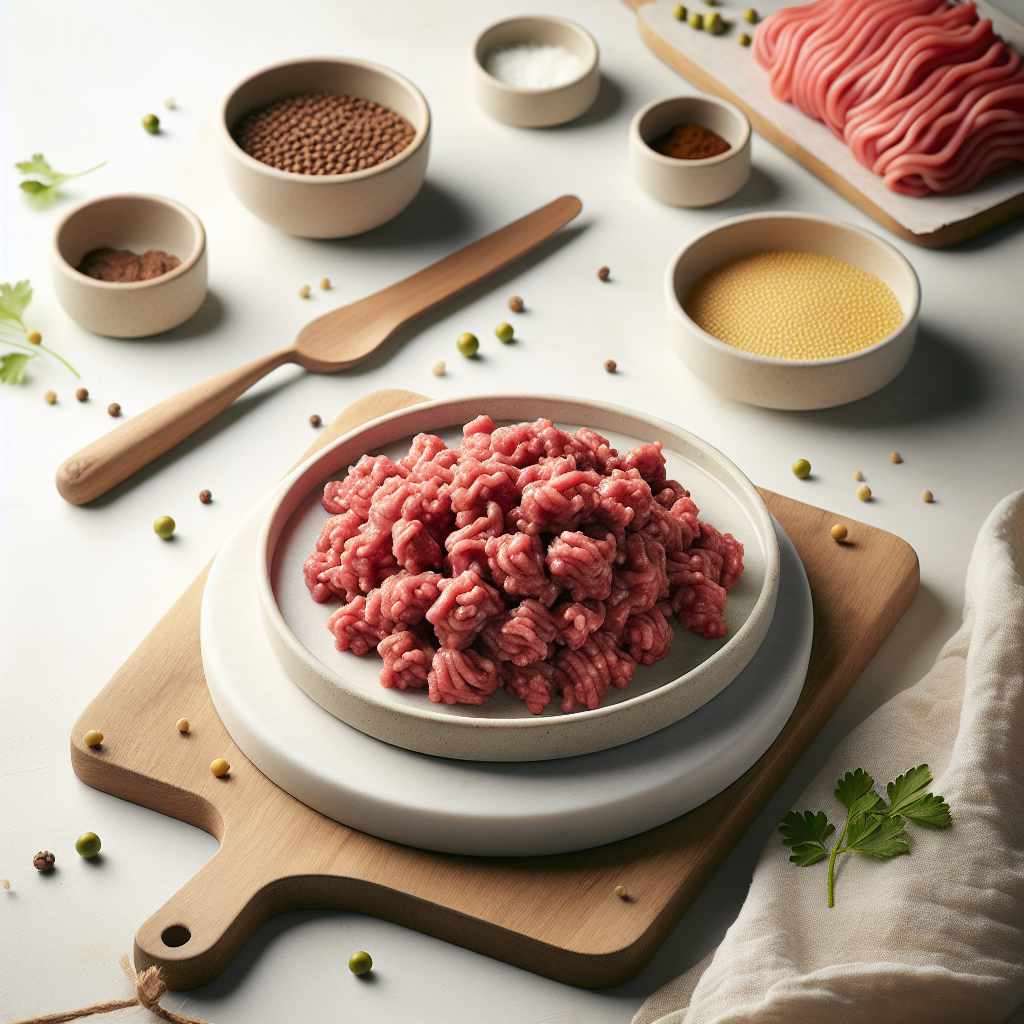
Beef mince for 12–24 months
Beef mince can be introduced as soon as your baby is ready to start solid foods, which is typically around 6 months of age. It's a wonderful early food as it's naturally soft when cooked and easy to shape into age-appropriate portions. Ensure the mince is fully cooked through and kept moist to make it easier for your baby to manage.
How to serve at 12–24 months
At this age, beef mince can be served in family meals like bolognese, chilli, meatballs, or stuffed vegetables, cut or broken into bite-sized pieces appropriate for your toddler's chewing ability. Continue to keep portions moist and avoid serving dry edges or crusts from baked dishes that may be difficult to chew. Encourage self-feeding with child-safe utensils whilst offering appropriately sized pieces for independent eating.
Nutrition highlights
Beef mince is an excellent source of highly absorbable haem iron, which is crucial for babies' brain development and preventing iron deficiency anaemia. It also provides high-quality protein, zinc for immune function and growth, and B vitamins including B12 for healthy red blood cells. The iron in beef is particularly valuable for breastfed babies, whose iron stores begin to deplete around 6 months of age.
Lower-risk serving reminders
Beef mince has a low choking risk because it naturally breaks down into small, soft pieces when cooked properly. The fine texture of minced meat means there are no large chunks for babies to struggle with, especially when mixed with moisture-rich ingredients like vegetables or sauces.
Allergen introduction checklist
Beef is not considered a common allergen and allergic reactions to beef are quite rare in babies. If your baby has an existing allergy to cow's milk protein, consult your healthcare provider before introducing beef, as there may be a very small chance of cross-reactivity.
Common questions
How do I serve beef mince for baby-led weaning
For younger babies, shape cooked mince into finger-length patties or meatballs, or mix it into soft bolognese-style sauces that can be offered on a preloaded spoon or spread on toast. Keep it moist and tender so it's easy to gum and swallow.
Does beef mince need to be organic for babies
Organic beef is not required for babies, though some families prefer it. What matters most is that the mince is fresh, properly stored, and cooked thoroughly to an internal temperature of 71°C to ensure food safety.
Can I freeze cooked beef mince for my baby
Yes, cooked beef mince freezes very well and can be stored for up to three months. Freeze portions in ice cube trays or small containers, then defrost thoroughly and reheat until piping hot before serving.
General feeding checklist
- Seat baby upright and stable for all meals.
- Model slow chewing and allow baby to control pace.
- Stop and reset if baby is upset, tired, or over-stuffed.
Readiness signs to check
- Baby can sit upright with minimal support during meals.
- Hands and mouth coordinate for bringing food to the mouth.
- Tongue-thrust reflex is reduced, so food is not immediately pushed out.
- Interest in self-feeding and opening mouth for food cues is visible.
Pause and seek advice if
- Coughing is persistent or distress does not settle quickly during meals.
- You notice repeated vomiting, rash, swelling, wheeze, or breathing changes after a food.
- Baby struggles with swallowing progression over multiple meals despite texture adjustments.
- There is a known medical condition affecting feeding, growth, or airway safety.
Other ages: 6–8 months · 9–11 months