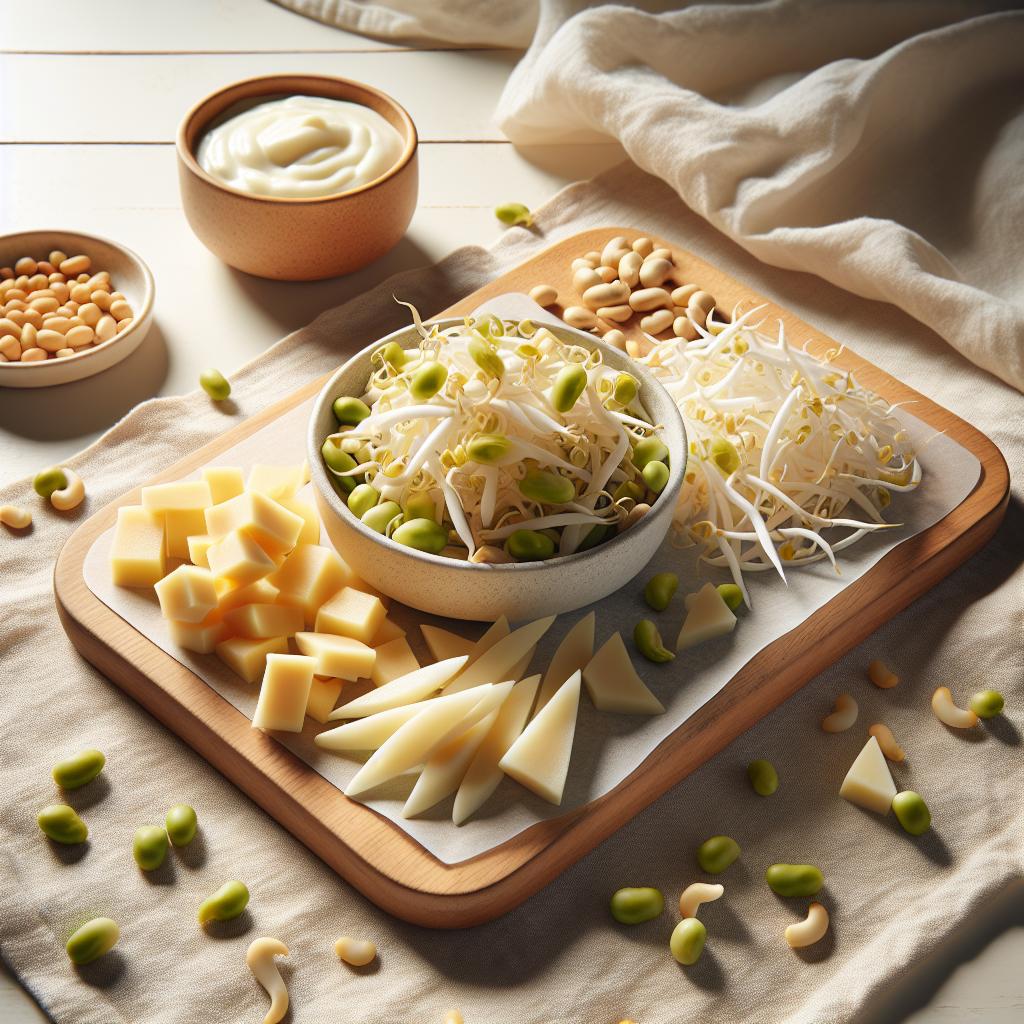
Baby-led weaning · age-specific guide
Bean sprouts cooked for 12–24 months
Cooked bean sprouts may be offered as soon as your baby is ready to start solid foods, which is typically around 6 months of age. Bean sprouts must always be cooked thoroughly until very soft before serving to babies, as raw sprouts pose a food safety risk due to potential bacteria. When prepared properly, they offer a nutritious addition to your baby's meals.
How to serve at 12–24 months
Serve cooked bean sprouts in bite-sized pieces that match your toddler's chewing abilities, continuing to cook them until soft. At this age, bean sprouts can be stirred into stir-fries, soups, or grain bowls as part of family meals. As your child's chewing skills improve, you can gradually reduce cooking time slightly, though bean sprouts should remain soft and tender.
Nutrition highlights
Bean sprouts are a good source of plant-based protein and iron, both important nutrients for growing babies, particularly those following vegetarian or vegan diets. They also provide vitamin C, which helps the body absorb iron more effectively, and folate, which supports healthy cell growth. Bean sprouts contain fibre and water, which can aid digestion and hydration.
Lower-risk serving reminders
Cooked bean sprouts present a low choking risk when steamed or roasted until very soft and served in appropriate sizes. Their thin, pliable texture when thoroughly cooked allows babies to gum and mash them safely, even before teeth emerge.
Allergen introduction checklist
Bean sprouts are not considered a common allergen and do not appear on major allergen lists. However, as with any new food, it's sensible to introduce bean sprouts on their own and watch for any signs of a reaction.
Common questions
Do bean sprouts need to be cooked for babies?
Yes, bean sprouts must always be thoroughly cooked until very soft before offering them to babies. Raw bean sprouts pose a food safety risk and are not suitable for young children.
Are bean sprouts a good source of iron for babies?
Yes, cooked bean sprouts provide plant-based iron, which is important for babies' growth and development. Pairing them with vitamin C-rich foods can help improve iron absorption.
Can babies choke on cooked bean sprouts?
Cooked bean sprouts present a low choking risk when prepared properly until very soft and served in appropriate sizes for your baby's age. Always supervise your baby during mealtimes.
General feeding checklist
- Seat baby upright and stable for all meals.
- Model slow chewing and allow baby to control pace.
- Stop and reset if baby is upset, tired, or over-stuffed.
Readiness signs to check
- Baby can sit upright with minimal support during meals.
- Hands and mouth coordinate for bringing food to the mouth.
- Tongue-thrust reflex is reduced, so food is not immediately pushed out.
- Interest in self-feeding and opening mouth for food cues is visible.
Pause and seek advice if
- Coughing is persistent or distress does not settle quickly during meals.
- You notice repeated vomiting, rash, swelling, wheeze, or breathing changes after a food.
- Baby struggles with swallowing progression over multiple meals despite texture adjustments.
- There is a known medical condition affecting feeding, growth, or airway safety.
Other ages: 6–8 months · 9–11 months