Baby-led weaning · age-specific guide
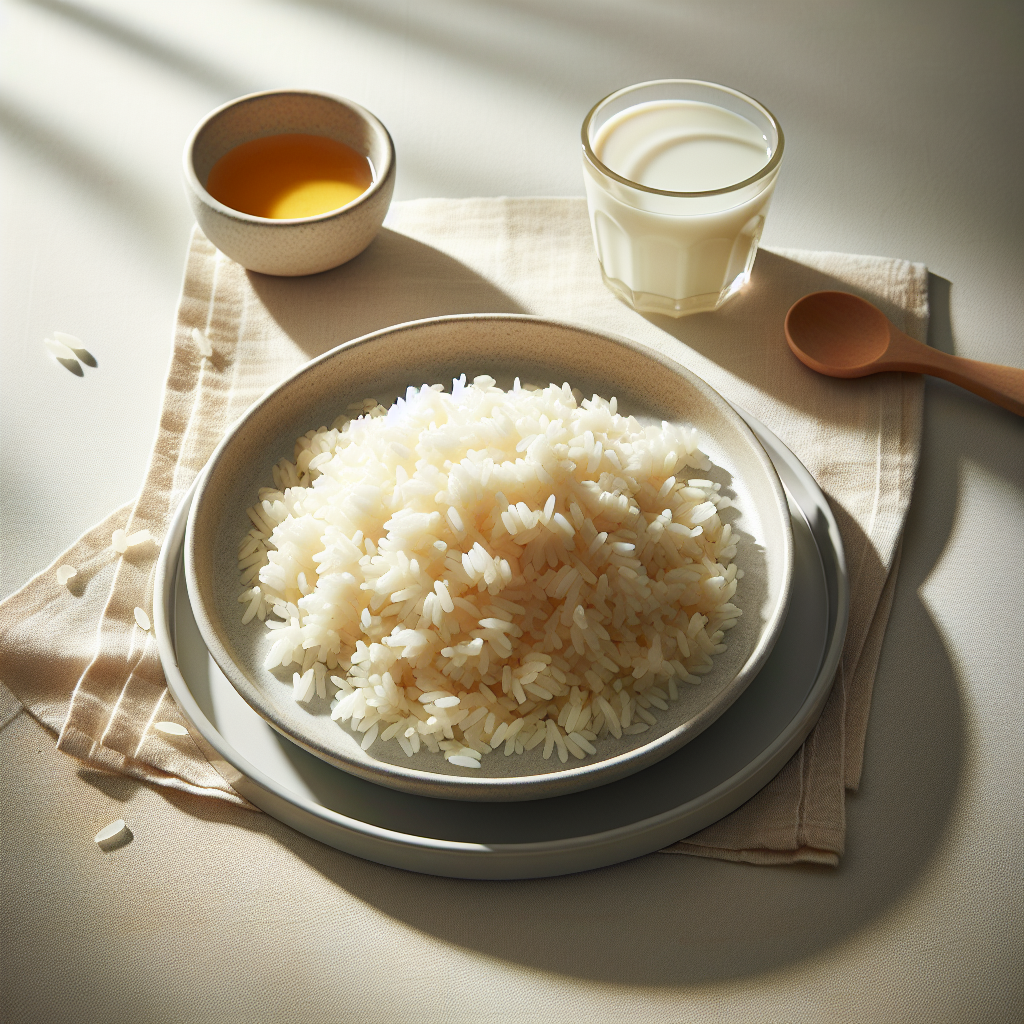
Basmati rice soft for 12–24 months
Basmati rice can be introduced as soon as your baby is ready to start solid foods, which is typically around 6 months of age. When properly cooked until soft and served in an age-appropriate way, it offers a gentle introduction to grains. Ensure the rice is well-cooked and tender enough to mash easily between your fingers before offering it to your baby.
How to serve at 12–24 months
At this stage, toddlers can manage basmati rice served as part of family meals, either as loose grains on a plate or mixed into dishes like mild curries or stir-fries. You can also form the rice into finger-friendly shapes such as small rice balls, lightly pan-fried patties, or stuffed into soft wraps. Continue to ensure the rice is cooked until tender, and encourage your toddler to use a spoon or fork alongside their fingers as they refine their self-feeding skills.
Nutrition highlights
Basmati rice provides carbohydrates for energy, which helps fuel your baby's rapid growth and development. It contains small amounts of B vitamins and minerals such as manganese, though it is not a significant source of iron or protein. Pairing basmati rice with iron-rich foods like lentils or protein sources such as chicken or beans creates a more balanced meal for your baby.
Lower-risk serving reminders
Soft, well-cooked basmati rice presents a low choking risk because the individual grains are tender and easily mashed with the gums. When mixed with a binding ingredient like yogurt or breast milk, the rice becomes even safer for young babies to manage.
Allergen introduction checklist
Rice is not a common allergen and is generally well tolerated by babies. It is often one of the first grains introduced during weaning because allergic reactions to rice are rare.
Common questions
Should I rinse basmati rice before cooking it for my baby?
Rinsing basmati rice before cooking removes excess starch and helps achieve a fluffier texture, though it is not essential for safety. For baby-led weaning, you may prefer not to rinse if you want a stickier texture that binds together more easily.
Can I offer basmati rice on its own or does it need to be mixed?
For younger babies around 6 to 8 months, mixing basmati rice with breast milk, formula, or yogurt helps bind the grains and makes them easier to pick up. As babies develop their pincer grasp around 9 months, you can offer loose grains for scooping practice.
How do I know if the basmati rice is soft enough for my baby?
The rice should be tender enough to mash easily between your thumb and forefinger with minimal pressure. If it feels firm or grainy, cook it a bit longer with extra water until it reaches a softer consistency.
General feeding checklist
- Seat baby upright and stable for all meals.
- Model slow chewing and allow baby to control pace.
- Stop and reset if baby is upset, tired, or over-stuffed.
Readiness signs to check
- Baby can sit upright with minimal support during meals.
- Hands and mouth coordinate for bringing food to the mouth.
- Tongue-thrust reflex is reduced, so food is not immediately pushed out.
- Interest in self-feeding and opening mouth for food cues is visible.
Pause and seek advice if
- Coughing is persistent or distress does not settle quickly during meals.
- You notice repeated vomiting, rash, swelling, wheeze, or breathing changes after a food.
- Baby struggles with swallowing progression over multiple meals despite texture adjustments.
- There is a known medical condition affecting feeding, growth, or airway safety.
Other ages: 6–8 months · 9–11 months