Baby-led weaning · age-specific guide
Arborio rice soft for 9–11 months
Arborio rice can be introduced as soon as your baby is ready to start solids, which is typically around 6 months of age. This short-grain rice becomes wonderfully soft and sticky when cooked, making it easier for babies to grasp and self-feed. As with all new foods, ensure your baby is showing signs of readiness, such as sitting up independently and bringing objects to their mouth.
How to serve at 9–11 months
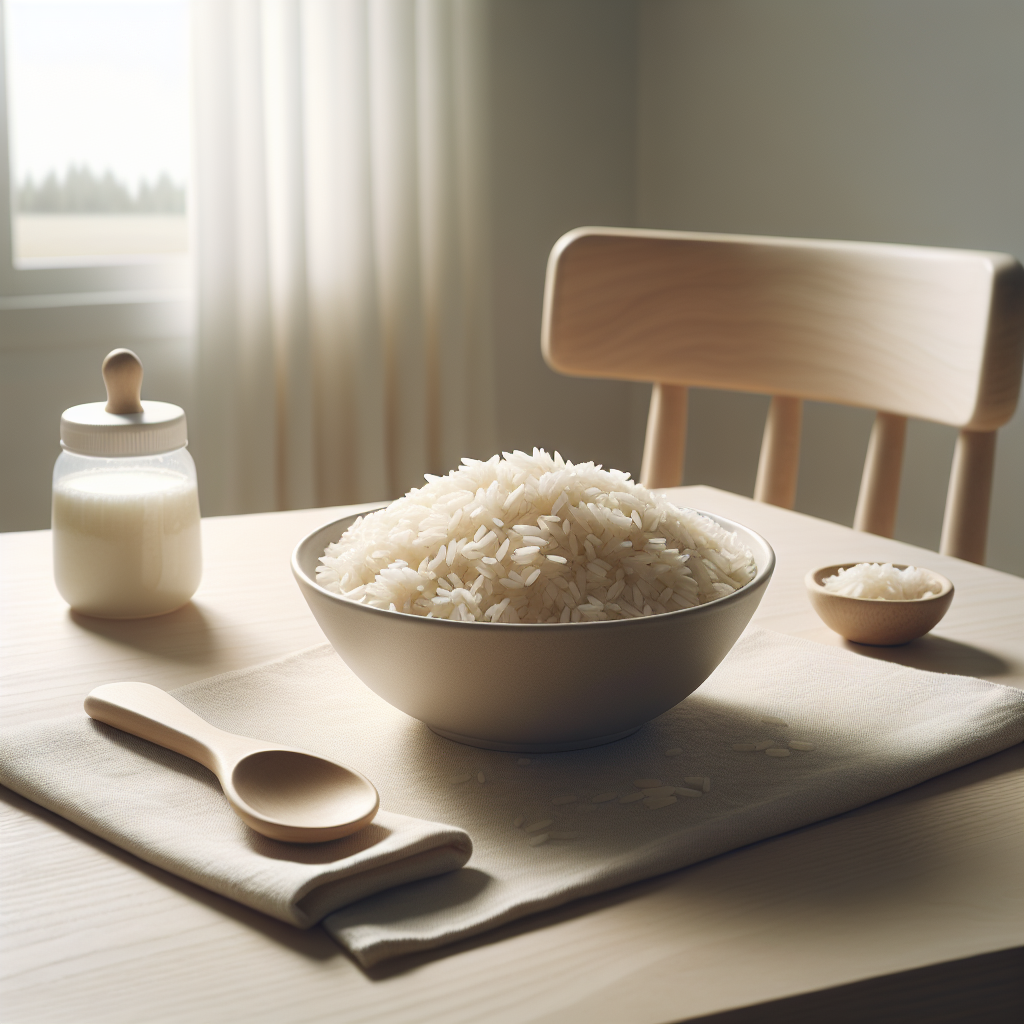
Continue offering soft-cooked Arborio rice as loose grains on the tray, or shape it into small, soft patties or balls that are easier for developing pincer grasp. You can also pre-load a baby-safe spoon with the sticky rice and place it on the tray for your baby to practise scooping. Mix the rice with mashed vegetables, lentils, or finely shredded meat to add nutrition and flavour.
Nutrition highlights
Arborio rice provides carbohydrates for energy, which helps fuel your baby's rapid growth and development. It contains small amounts of B vitamins and minerals, though it is not particularly rich in iron or protein. The easily digestible nature of well-cooked rice makes it a gentle grain option for babies new to solids.
Lower-risk serving reminders
Soft-cooked Arborio rice has a low choking risk because its naturally sticky texture allows the grains to clump together, making them easier for babies to manage than loose, individual grains. When cooked until very soft, the rice breaks down easily in the mouth.
Allergen introduction checklist
Rice is not a common allergen and is generally well tolerated by most babies. However, rice allergy is possible, though rare, so watch for signs of an allergic reaction when introducing it for the first time.
Common questions
Why is Arborio rice better than other rice varieties for baby-led weaning
Arborio rice has a higher starch content than long-grain varieties, which creates a naturally sticky, clumpy texture when cooked. This makes it much easier for babies to pick up and self-feed compared to loose, separate grains.
Do I need to rinse Arborio rice before cooking it for my baby
You can skip rinsing Arborio rice, as the surface starch is what creates the sticky texture that helps babies grasp it. However, rinsing is fine if you prefer to do so for hygiene reasons.
Can I use leftover risotto for my baby
Homemade risotto can work if it's made without added salt, stock cubes, wine, or hard cheeses that pose a choking risk. Plain, soft-cooked Arborio rice is safest for young babies just starting solids.
General feeding checklist
- Seat baby upright and stable for all meals.
- Model slow chewing and allow baby to control pace.
- Stop and reset if baby is upset, tired, or over-stuffed.
Readiness signs to check
- Baby can sit upright with minimal support during meals.
- Hands and mouth coordinate for bringing food to the mouth.
- Tongue-thrust reflex is reduced, so food is not immediately pushed out.
- Interest in self-feeding and opening mouth for food cues is visible.
Pause and seek advice if
- Coughing is persistent or distress does not settle quickly during meals.
- You notice repeated vomiting, rash, swelling, wheeze, or breathing changes after a food.
- Baby struggles with swallowing progression over multiple meals despite texture adjustments.
- There is a known medical condition affecting feeding, growth, or airway safety.
Other ages: 6–8 months · 12–24 months