Baby-led weaning · age-specific guide
Amaranth porridge for 12–24 months
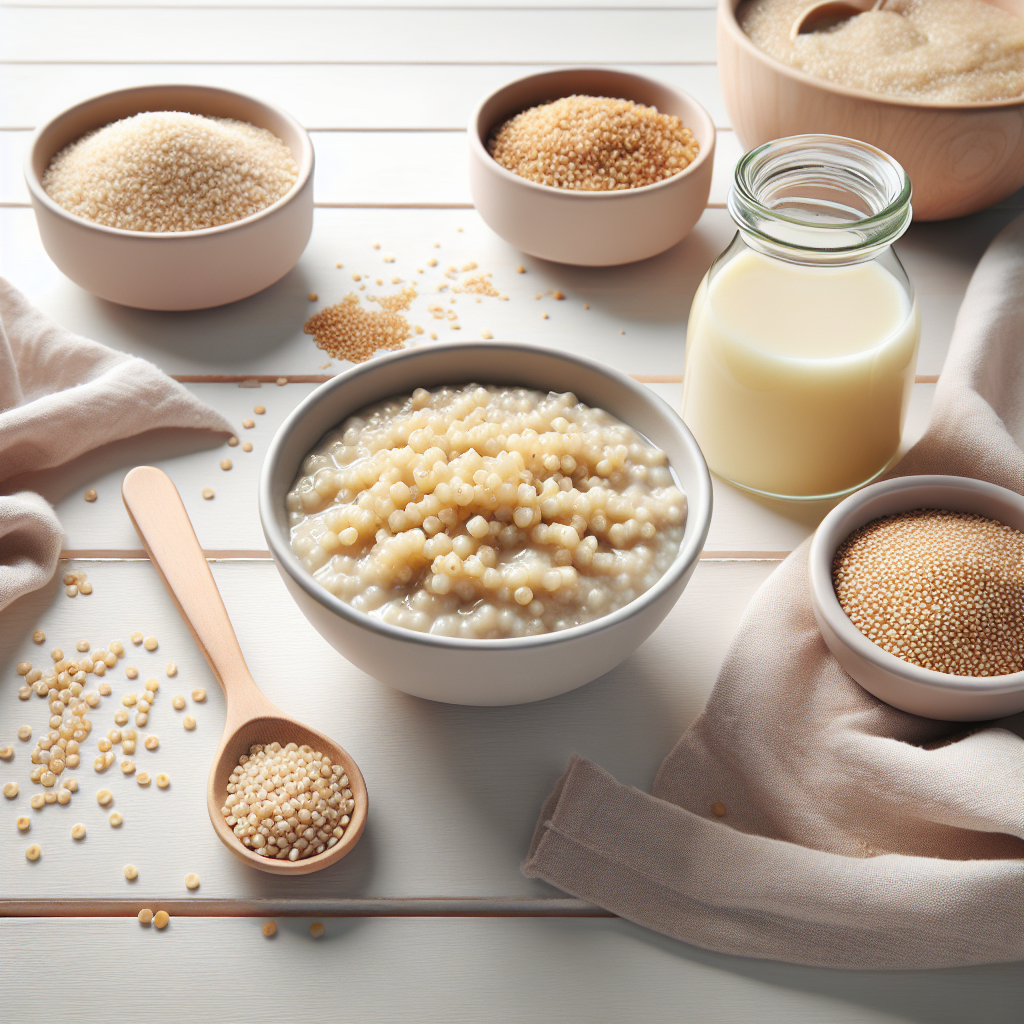
Amaranth porridge may be introduced as soon as your baby is ready to start solids, which is generally around 6 months of age. As with all grains, ensure the amaranth is cooked until very soft and tender to make it easy for your baby to manage. Amaranth is naturally gluten-free and not a common allergen, making it a gentle first grain for many babies.
How to serve at 12–24 months
Serve amaranth porridge in a bowl with a spoon, encouraging your toddler to self-feed with increasing independence. You can also form chilled amaranth porridge into fingers or small cakes that can be eaten as a finger food, or lightly pan-fry for added texture. Continue mixing in fruits, vegetables, seeds, or nut butters to create balanced meals.
Nutrition highlights
Amaranth is an excellent source of iron, which supports healthy blood and brain development in babies. It also provides protein, fibre, calcium, and magnesium, making it a nutrient-dense whole grain option. The iron in amaranth is particularly valuable for babies around 6 months, when their iron stores from birth begin to diminish.
Lower-risk serving reminders
Amaranth porridge has a low choking risk when cooked until soft and served with adequate moisture. The tiny grains become tender and slightly sticky when well-cooked, creating a manageable texture for babies learning to eat.
Allergen introduction checklist
Amaranth is not a common allergen and is naturally gluten-free. As with any new food, introduce amaranth on its own and watch for signs of a reaction, though allergies to amaranth are rare.
Common questions
Does amaranth porridge need to be mixed with other foods for babies?
Amaranth porridge can be served on its own or mixed with breast milk, formula, or yoghurt to adjust consistency and add moisture, especially for younger babies who are still mastering eating skills.
How do I cook amaranth porridge for my baby?
Cook amaranth in a 1:3 ratio with water or milk, simmering for about 20 minutes until the grains are very soft and the mixture has a porridge-like consistency. Add more liquid if needed to achieve a smooth, scoopable texture.
Can amaranth porridge be served cold to babies?
Yes, amaranth porridge can be served warm or at room temperature, though many babies prefer it slightly warm. Refrigerated porridge may thicken, so stir in a little water or milk to loosen it before serving.
General feeding checklist
- Seat baby upright and stable for all meals.
- Model slow chewing and allow baby to control pace.
- Stop and reset if baby is upset, tired, or over-stuffed.
Readiness signs to check
- Baby can sit upright with minimal support during meals.
- Hands and mouth coordinate for bringing food to the mouth.
- Tongue-thrust reflex is reduced, so food is not immediately pushed out.
- Interest in self-feeding and opening mouth for food cues is visible.
Pause and seek advice if
- Coughing is persistent or distress does not settle quickly during meals.
- You notice repeated vomiting, rash, swelling, wheeze, or breathing changes after a food.
- Baby struggles with swallowing progression over multiple meals despite texture adjustments.
- There is a known medical condition affecting feeding, growth, or airway safety.
Other ages: 6–8 months · 9–11 months