Baby-led weaning · age-specific guide
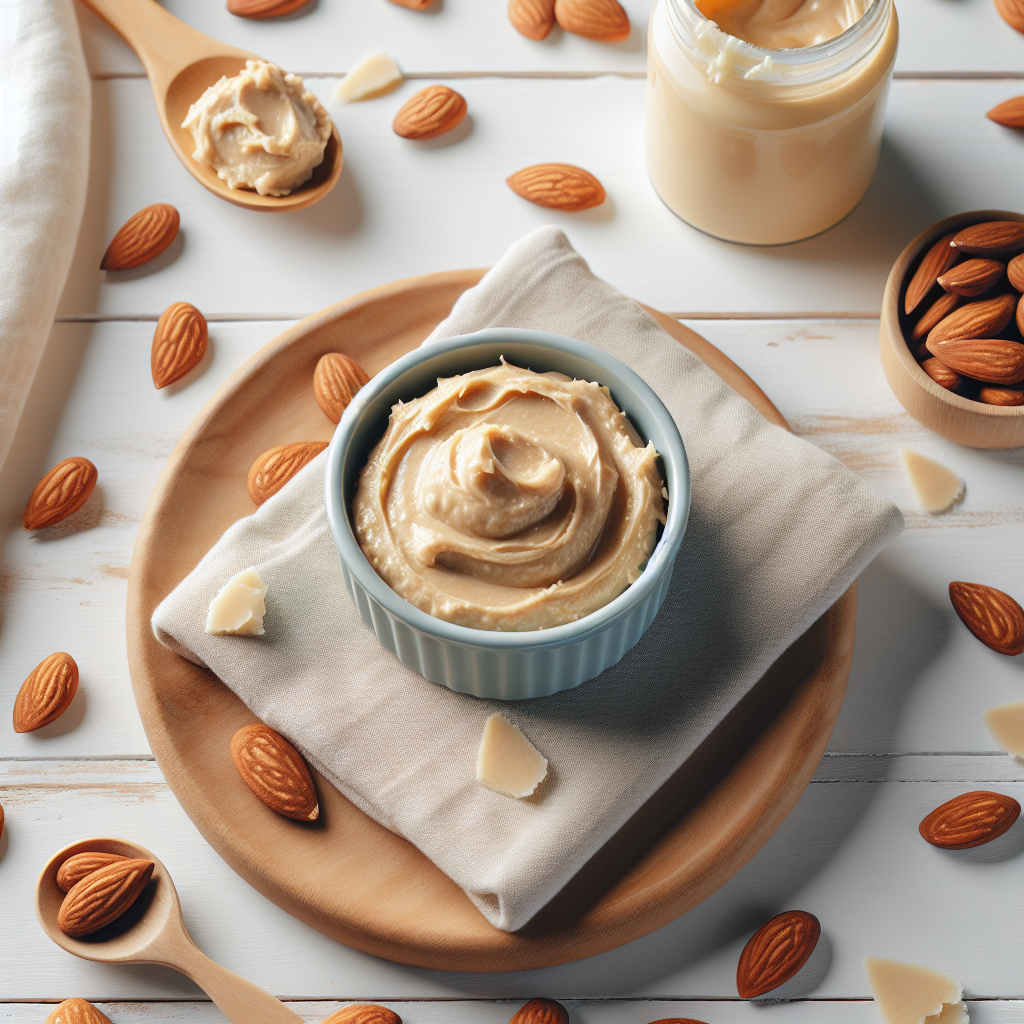
Almond butter thin spread for 9–11 months
Almond butter can be introduced as soon as your baby is ready to start solids, which is typically around 6 months of age. Because tree nuts are a common allergen, it's important to introduce almond butter thinly spread on other foods rather than offering it by the spoonful, which can be difficult for babies to manage. Always ensure the almond butter is smooth, not crunchy, and spread very thinly to prevent it from forming a thick, sticky mass in the mouth.
How to serve at 9–11 months
Continue to spread almond butter thinly on a wider variety of foods as your baby's pincer grasp develops, such as small pieces of toast, oat cakes, banana rounds, or apple slices that have been steamed until soft. You can also stir a small amount of almond butter into porridge, yoghurt, or mashed fruits to add flavour and nutrition. Keep the layer thin and avoid serving it in thick dollops or clumps.
Nutrition highlights
Almond butter is rich in healthy unsaturated fats that support brain development and provide concentrated energy for growing babies. It also offers vitamin E, magnesium, and some calcium, which contribute to immune function, bone health, and overall growth. While almond butter contains protein, the small amounts typically served to babies mean it shouldn't be relied upon as a primary protein source.
Lower-risk serving reminders
When spread thinly on soft foods like toast strips or rice cakes, almond butter presents a low choking risk because it does not form a loose, hard piece that could block the airway. The key is ensuring it is always applied in a thin layer rather than given in thick globs, which can stick to the roof of the mouth and be difficult for babies to clear.
Allergen information
Almond butter contains tree nuts, which are a top allergen. Introduce it in small amounts at first and watch for signs of an allergic reaction, which may include hives, swelling, vomiting, or difficulty breathing.
Milk (dairy) · Tree nuts
Common questions
Can I give my baby almond butter straight from the jar?
No, almond butter should always be spread thinly on another food like toast, rice cakes, or fruit slices. Offering it by the spoonful or in thick amounts can create a sticky mass that is difficult for babies to manage safely.
How thin should I spread almond butter for my baby?
Spread almond butter in a very thin, even layer—no thicker than a sheet of paper. You should be able to see the base food through the almond butter in places.
Is almond butter better than peanut butter for babies?
Both are nutritious options for babies from 6 months. Almond butter contains slightly more vitamin E and magnesium, while peanut butter tends to have more protein. Choose based on your family's preferences and any allergy considerations.
General feeding checklist
- Seat baby upright and stable for all meals.
- Model slow chewing and allow baby to control pace.
- Stop and reset if baby is upset, tired, or over-stuffed.
Readiness signs to check
- Baby can sit upright with minimal support during meals.
- Hands and mouth coordinate for bringing food to the mouth.
- Tongue-thrust reflex is reduced, so food is not immediately pushed out.
- Interest in self-feeding and opening mouth for food cues is visible.
Pause and seek advice if
- Coughing is persistent or distress does not settle quickly during meals.
- You notice repeated vomiting, rash, swelling, wheeze, or breathing changes after a food.
- Baby struggles with swallowing progression over multiple meals despite texture adjustments.
- There is a known medical condition affecting feeding, growth, or airway safety.
Other ages: 6–8 months · 12–24 months